


‘In case there is an attack on the centre of Government in London,
it seems very important to return the compliment the next day upon in Berlin. I understand you will have by the end of this month a respectable party of Stirlings ready. Perhaps the nights are not yet long enough. Pray let me know.’
– Winston Churchill in a letter to the Chief of the Air Staff, July 1940 –1
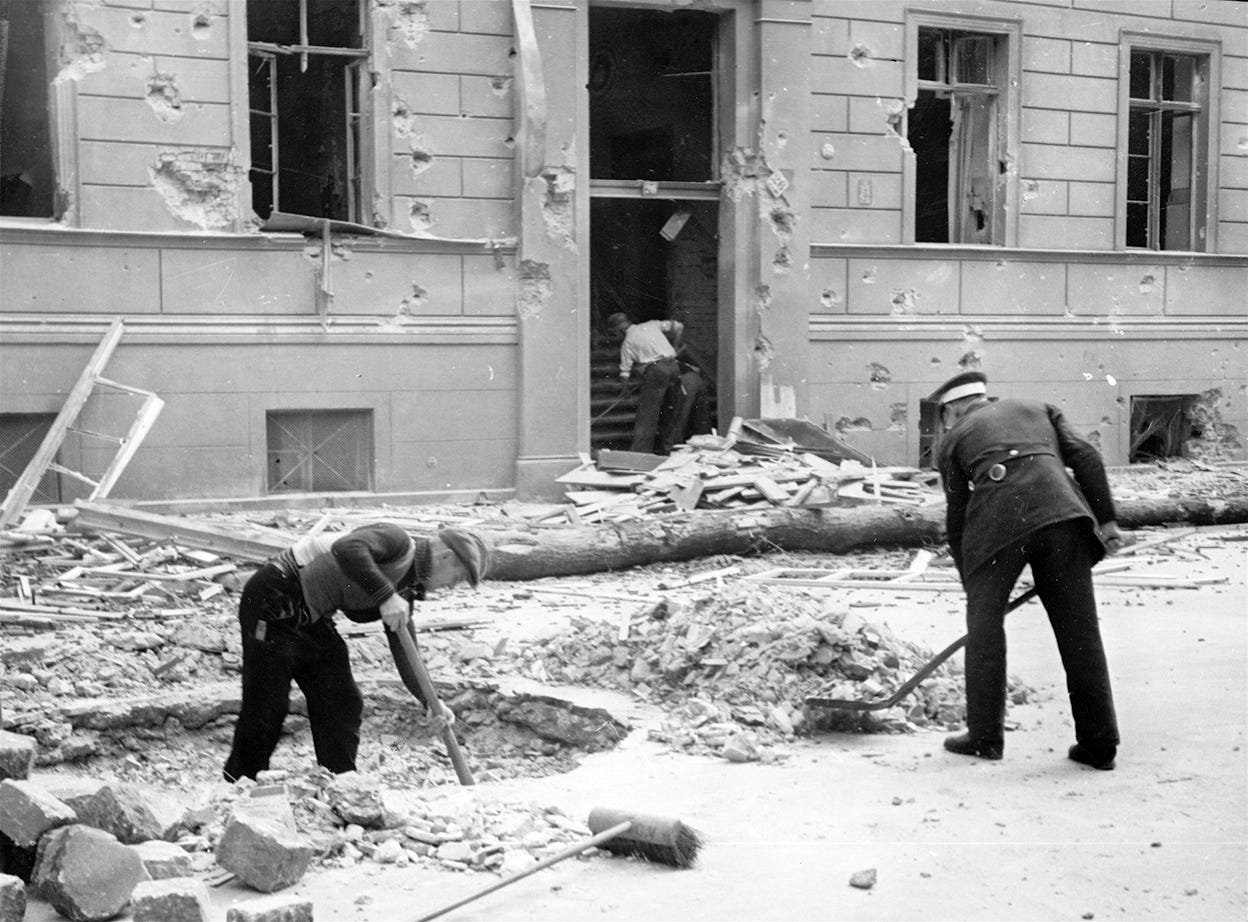
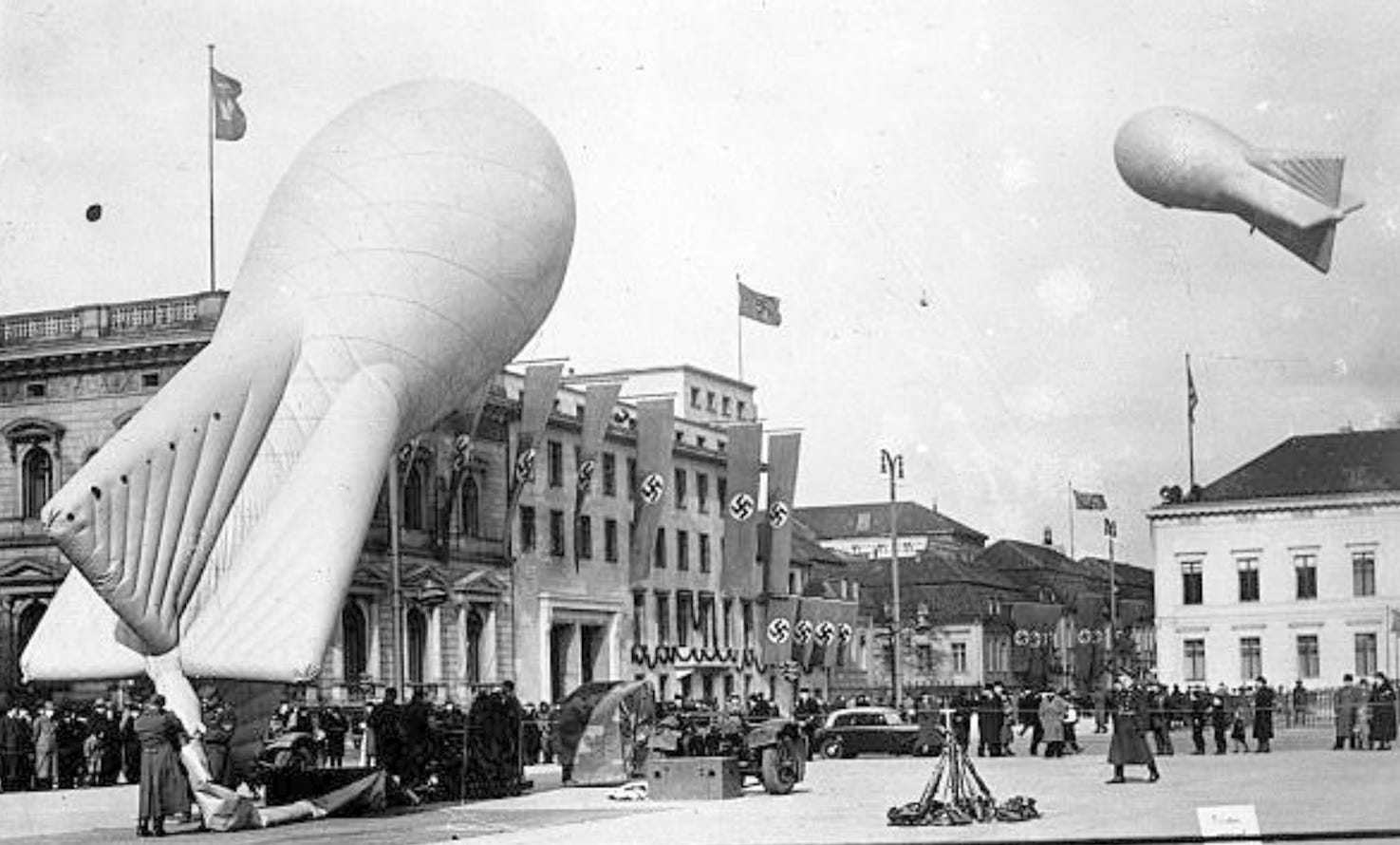
The first attacks on Berlin in August 1940 by British forces created a new scenario at the Third Reich’s capital. Bombing raids were quickly increasing, turning Berliners’ nights into a nightmare. Only the RAF’s limited capacity and resources at the time —and the powerless capacity of their medium bombers— gave the city time to improvise protection and set a defence staff with countermeasures on the ground. How the RAF is striking back at Germany was an important propaganda and morale-payback for British citizens, hitting the Nazi homeland after the Luftwaffe bombed their homes. Strategic bombing would be the only battle fought inside the Reich, after the British continental army no longer exist since the evacuation at Dunkirk early that year.2
Churchill, alive to the political and propaganda possibilities, has been already briefed of the capability to reply immediately against Berlin a month before the first bombs targeted London.3 By August 22, the week when the RAF’s offensive started, Bomber Command had 31 squadrons with 491 twin-engined bombers available, a small bomber force (furthermore, this figure includes the Blenheim and Battle light bombers of Nos 2 and 6 Groups, both types inadequate to participate on the attacks against the Reich capital).4
As we have seen in previous posts, following the bombing of London’s suburbs and the Prime Minister’s order to unleash a retaliation attack, RAF Bomber Command sent its crews to raid Berlin four times —three of them in consecutive nights (you can check the complete list of raids here).
According to our records, during these four air-strikes the Command made 202 sorties aimed on targets in or around Berlin although less than a hundred of those were effective. In exchange, the British lost ten bombers with three more crashed or ditched but recovered.5 Seven of them were lost due to fuel shortage (one forced landed in Germany and the rest ditched on Britain’s waters) and two were missing. The RAF personal losses accounted for 11 airmen killed and four prisoners of war.6
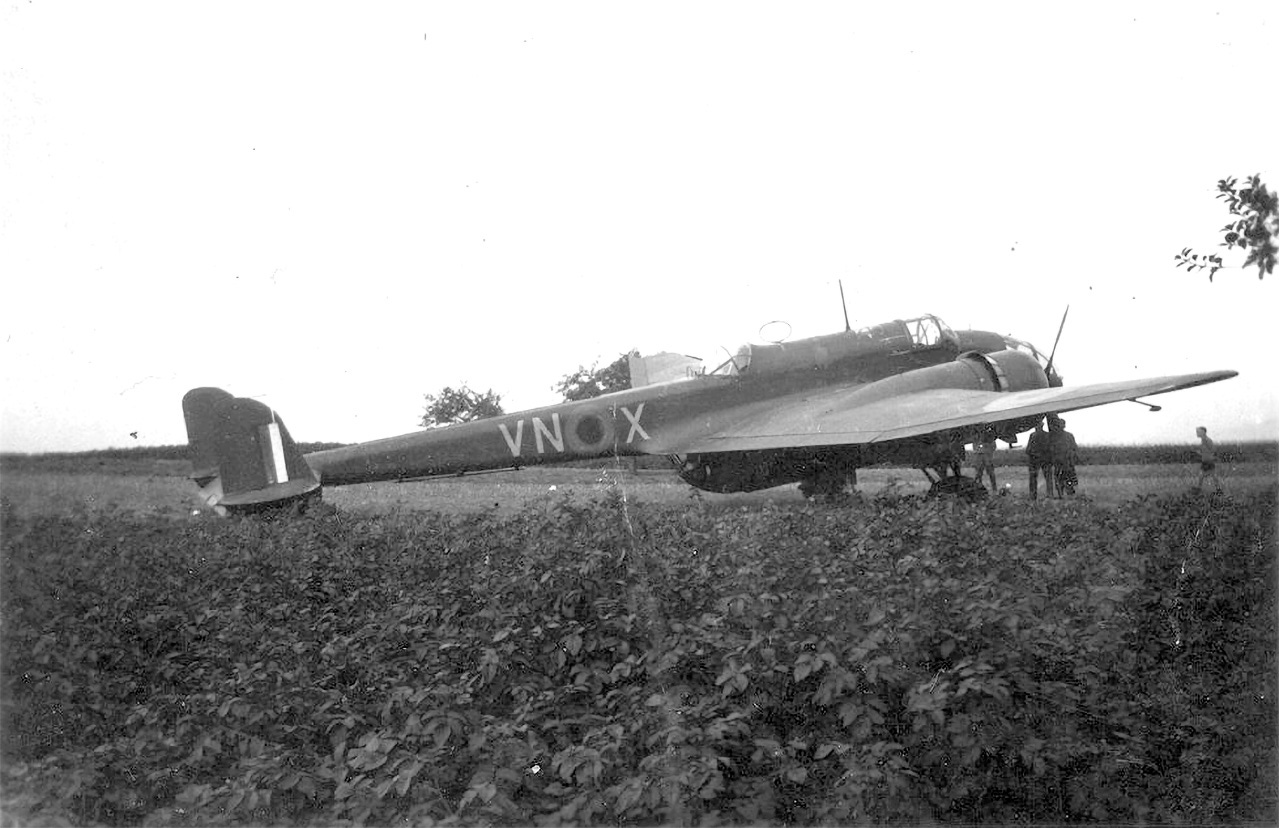
Of the three types of bombers sent (Wellington, Hampden and Whitley), the Hampden was the less effective: losses during the August 1940 raids against the Reich capital totaled eight. No 5 Group’s 83 Squadron at Scampton with four aircraft lost suffered the highest losses. Targets such Berlin or Stettin were at the very limit of the Hampden’s range, and severe wind or minimal navigation error could make force landing on the return flight.7
The August raids were an early failure due to ineffective tactics and the lack of intensity mainly, causing little damage to the city. Bomber Command raiders made individually attacks, dropping bombs in swallow dives in darkness but depended to target identification on early navigation as were dead reckoning and ETA —Estimated Time of Arrival [to target], something openly recognized: “Fliers tell, in Air Ministry statement, of spotting target at German capital by means of each others’ explosives recent”.8 The RAF, unlike the Luftwaffe, had no electronic navigation aids yet and bombing over blackout targets was a major problem at the time. Main targets were Tempelhof airport, the Siemensstadt factory complex and power stations like Klingenberg, also visiting aviation plants as were BWM Spandau and Henschel in Schönefeld. Although most of them can be classified as military/industrial and were located at the outskirts (the exception was Tempelhof) many bombs fell on the city’s centre and open fields with a few on the factories only, the British failing to hit specific targets at night.
Even so, the morale and psychological victory was great: In Britain, following very optimistic reports from the Air Ministry and the press, there was a misleading feeling that the RAF’s raids on Berlin were putting the Nazis on the ropes.9 Mass daylight raids against London had yet not started (first one would be on September 7th) but to show that the Empire was hitting back was very important, although there little chance for the crews to find among the clouds and darkness.10 These reports exalted the discomfort and shock felt by German civilians, something emphasized by the British press even when there were many more articles relating to the bombing of Britain and the enemy’s activity in the air. Churchill himself had written a letter to congratulate the bombing force on its work in raiding Germany and Italy. He made special mention of the fact that on the first raids on Berlin ‘the great majority of pilots brought their bombs home [If they failed to find their primary targets], rather than loose them under weather conditions which made it difficult to hit the precise military objectives in their orders’ something that will end on September 10th following political pressure to retaliate from Luftwaffe raids.11
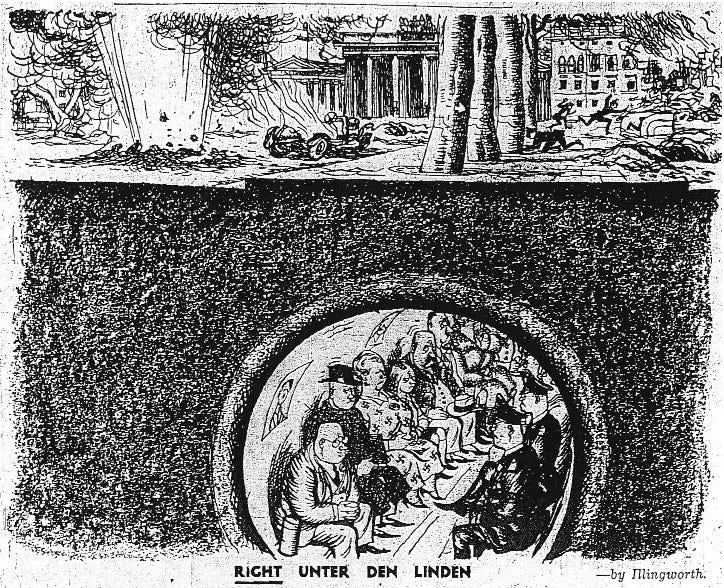
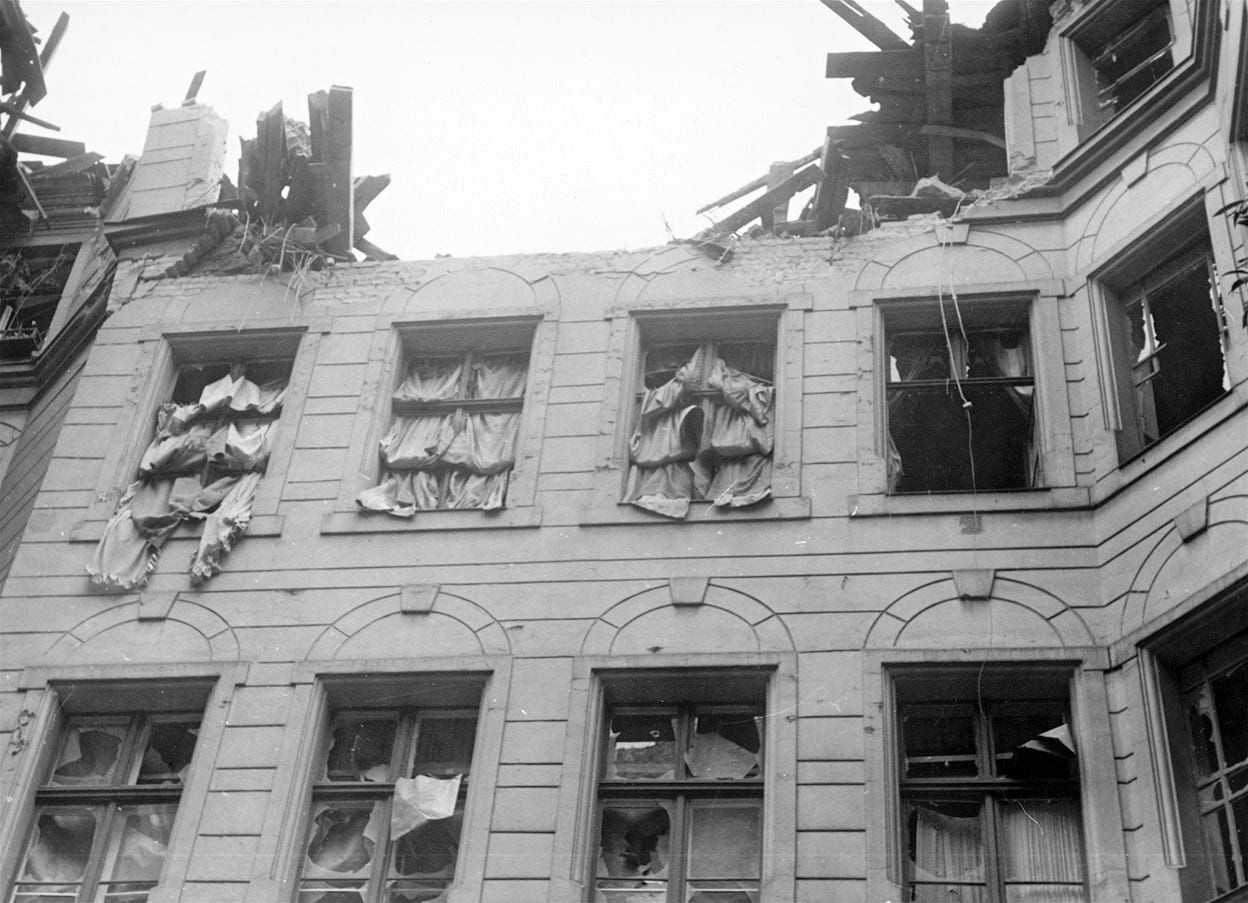
During these first four air strikes around 60 tons of bombs were dropped on Berlin, mainly explosives12 and hundreds of propaganda leaflets too. German casualties amounted 14 killed and 52 wounded, some of the latter hit by shell splinters from the anti-aircraft (Flak) guns of the city.13
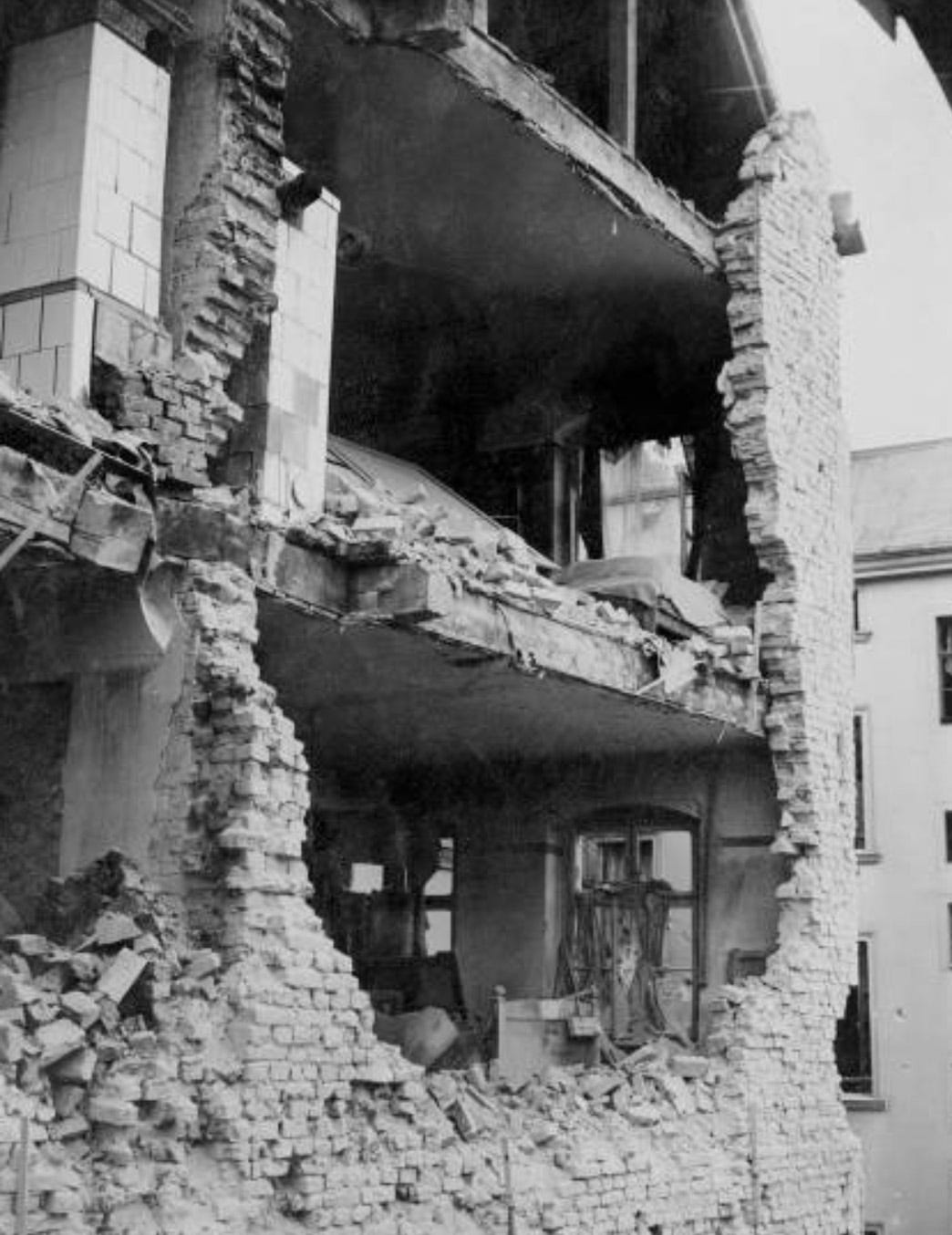
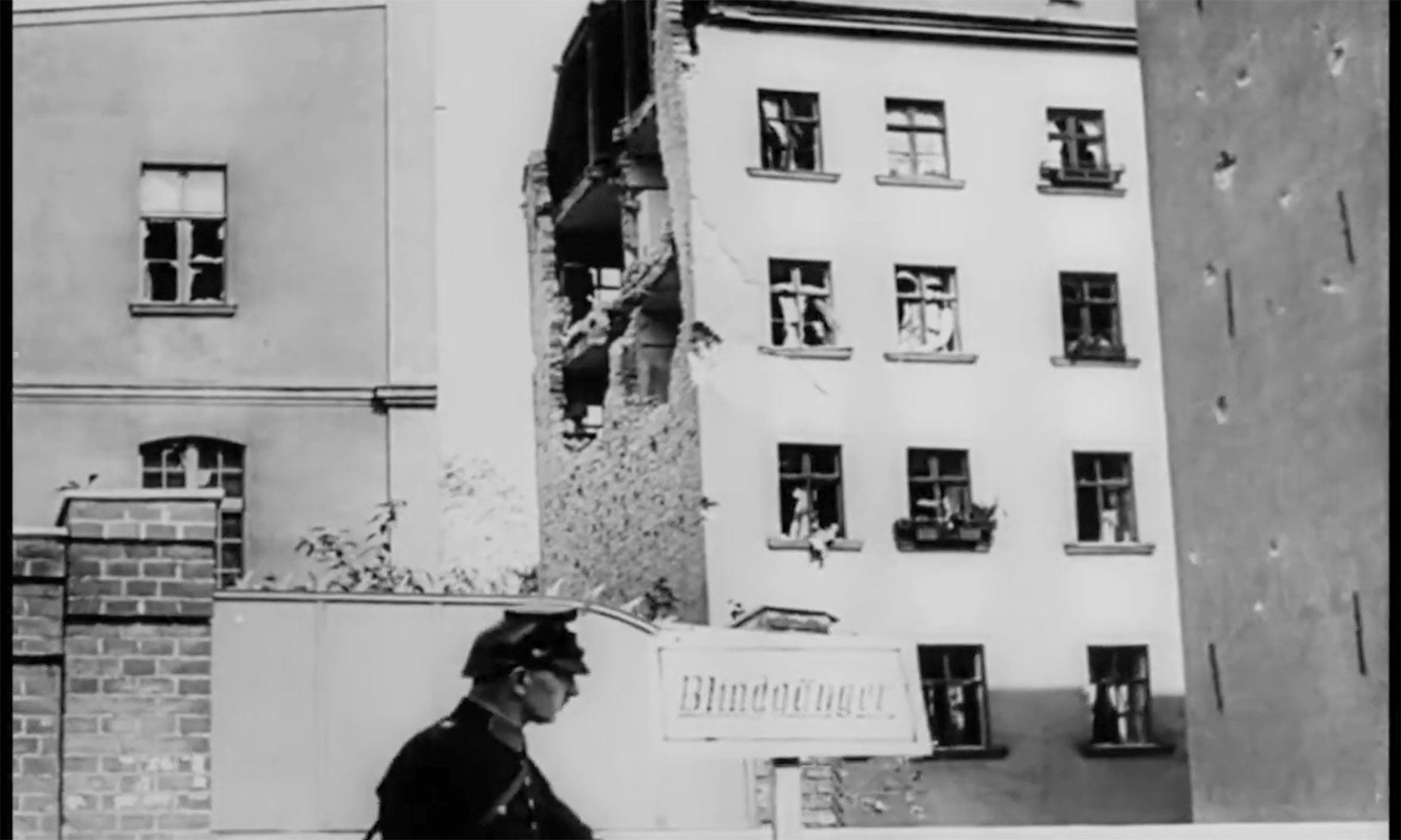
The Nazi-regime was so surprised that, at first, it was hesitant to hide it so as not to show weakness or to emphasize the bombings acussing London of war crimes. In fact, there was no mention of such raids in the “Die Deutsche Wochenschau”, the Nazi newsreel (August 29, 1940, episode Nr 521), we have to wait until the first September reel (September 4th, Nr 522 “Bombardierung der Reichshauptstadt Berlin”) to watch some Berlin air raids footage, using the results of the British bombing of German cities: we can see destroyed buildings in Weimar, followed by bomb damage at Berlin with ruined houses and broken windows, all recorded after the August 31 raid mostly in Kreuzberg. At last, Goebbels’ propaganda took the opportunity to rise that the British had attacked civilian areas mercilessly and under cover of the night outside international laws, calling them ‘Luftpiraten’ (“air pirates”).14 To the contrary, just military objectives were bombed by Luftwaffe bombers according to Germans reports.
Hitler was so shocked after the second raid that he returned immediately to Berlin from his headquarters. German people anxiety, demands on retaliation and the first casualties gave the Nazis, in opinion of Dr Overy, the opportunity to present the planned attack on London to German people as a reprisal.15 In fact, plans for the first major daylight raid on the British capital were given the title of “revenge attack”, although as he correctly asseverates, this change was a decision taken long background of British raids on urban targets in German and not an infuriated decision following the Berlin bombings. Most British historians have defined these first RAF’s bombings of Berlin as not the only but the critical point of the ‘Battle of Britain’, forcing Germans to abandon the repeating pressure on Fighter Command’s airfields and switching to raid London. Tweddle defines it as “a key moment in a gradually shifting balance of power.”16
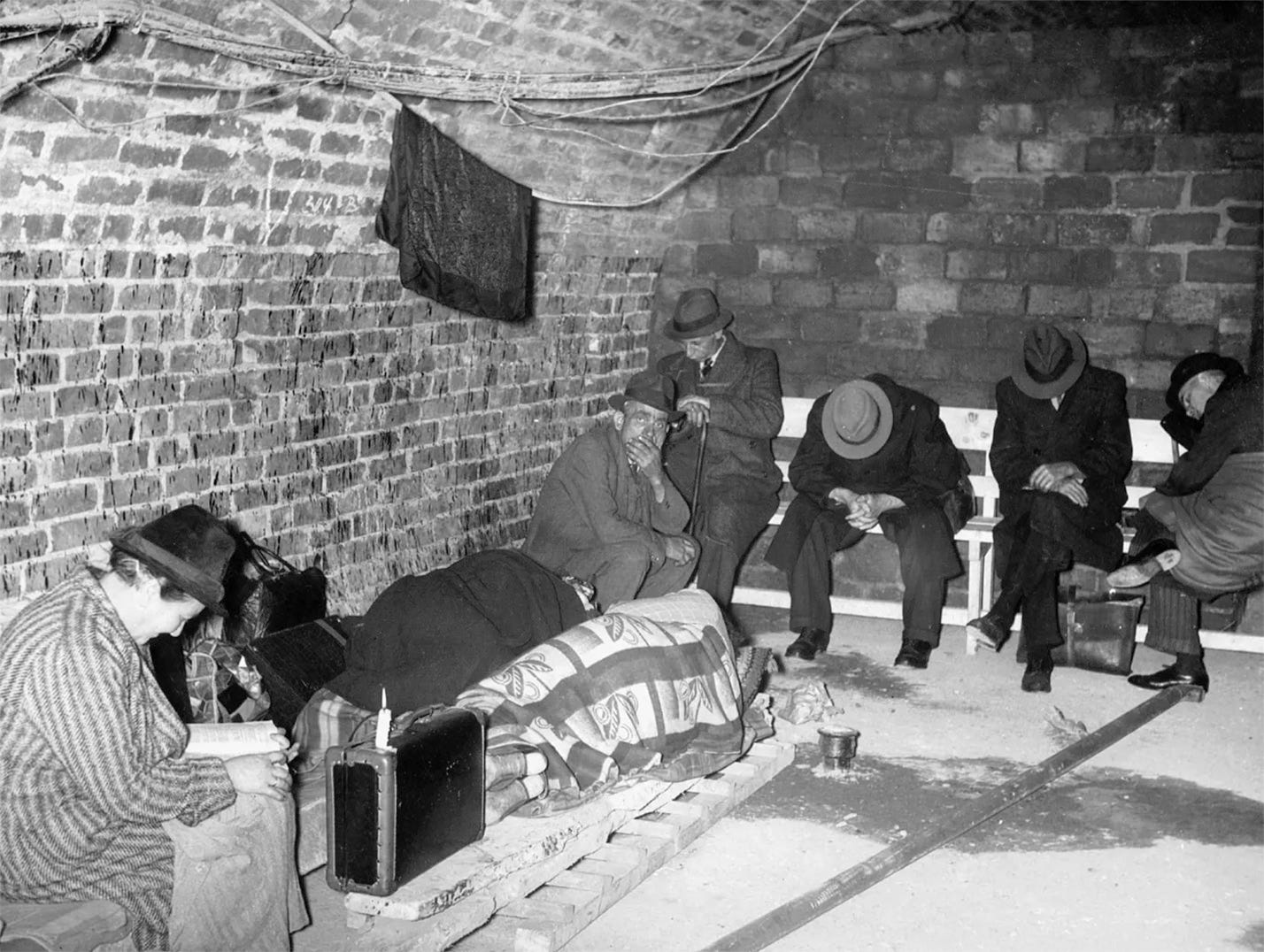
This air assault by RAF aircraft prolonged in time led into two major measures by Nazi authorities to mitigate the impact of the attacks in the following months: first, the intensification of the blackout policy (a regulation which already started in September 1939) and secondly, the design and introduction of the ‘Luftschutz-Sofortprogramm’ which included the construction of hundreds of public air-raid shelters to protect Berlin’s population and the Flak towers (three in the case of Berlin), massive concrete-structures intended to repel the enemy bombers with their deadly AA guns.17
How people were adjusting to life under the bombs was something different. ‘The Berliners are stunned. They did not think it could happen’ recorded American journalist William L. Shirer in his diary.18 Although damage was slight, the raids left the first death casualties on the capital, a ‘new’ experience for a population living thousands of miles from the battlefront. More importantly, those night’s sleep was stolen by the RAF intruders, affecting the workers’ effectiveness on the next day at their factories. Again, Shirer resumed the situation perfectly: ‘the main effect of a week of constant British night bombings has been to spread great disillusionment among the people here and sow doubt in their minds.’19
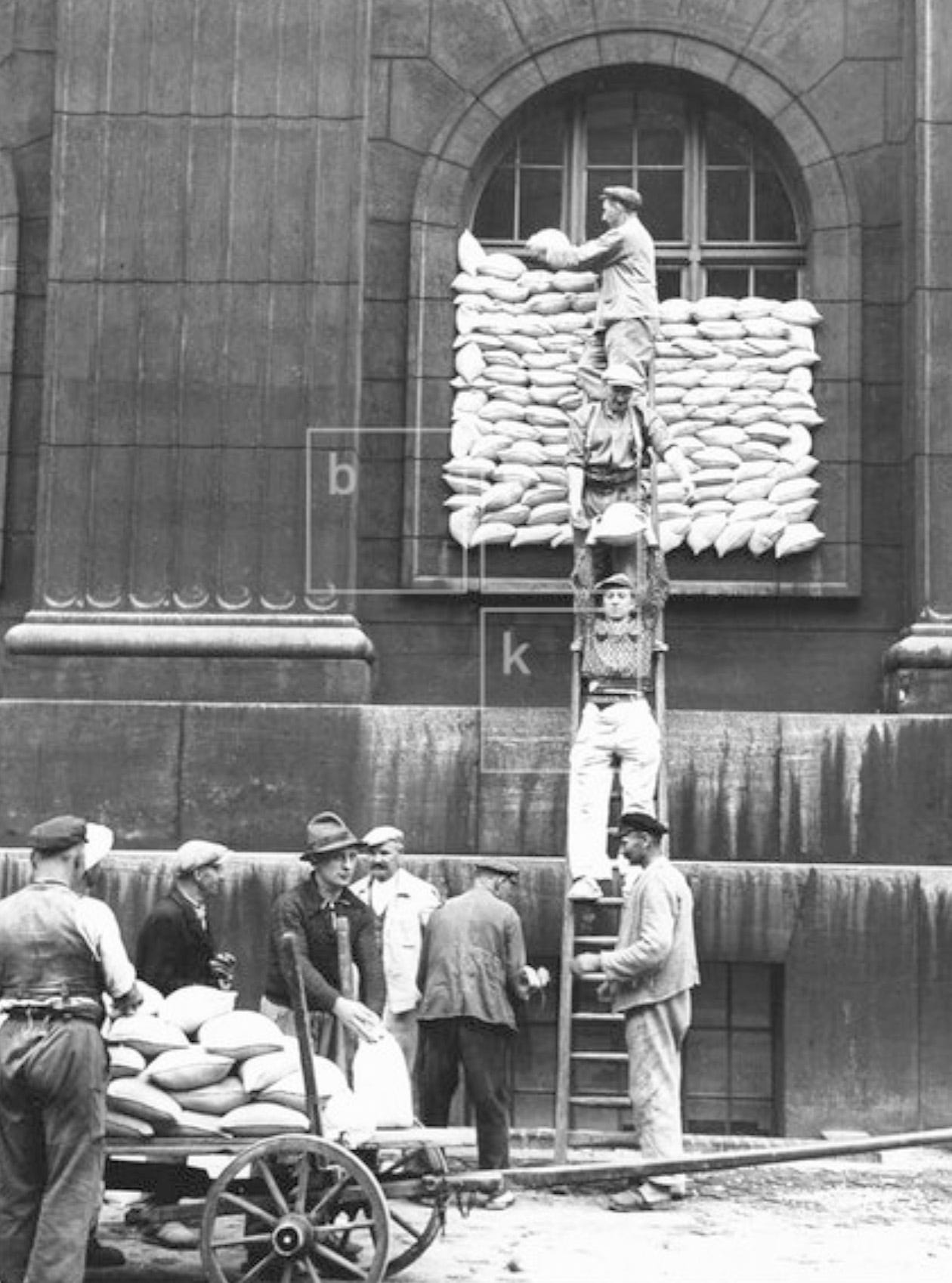
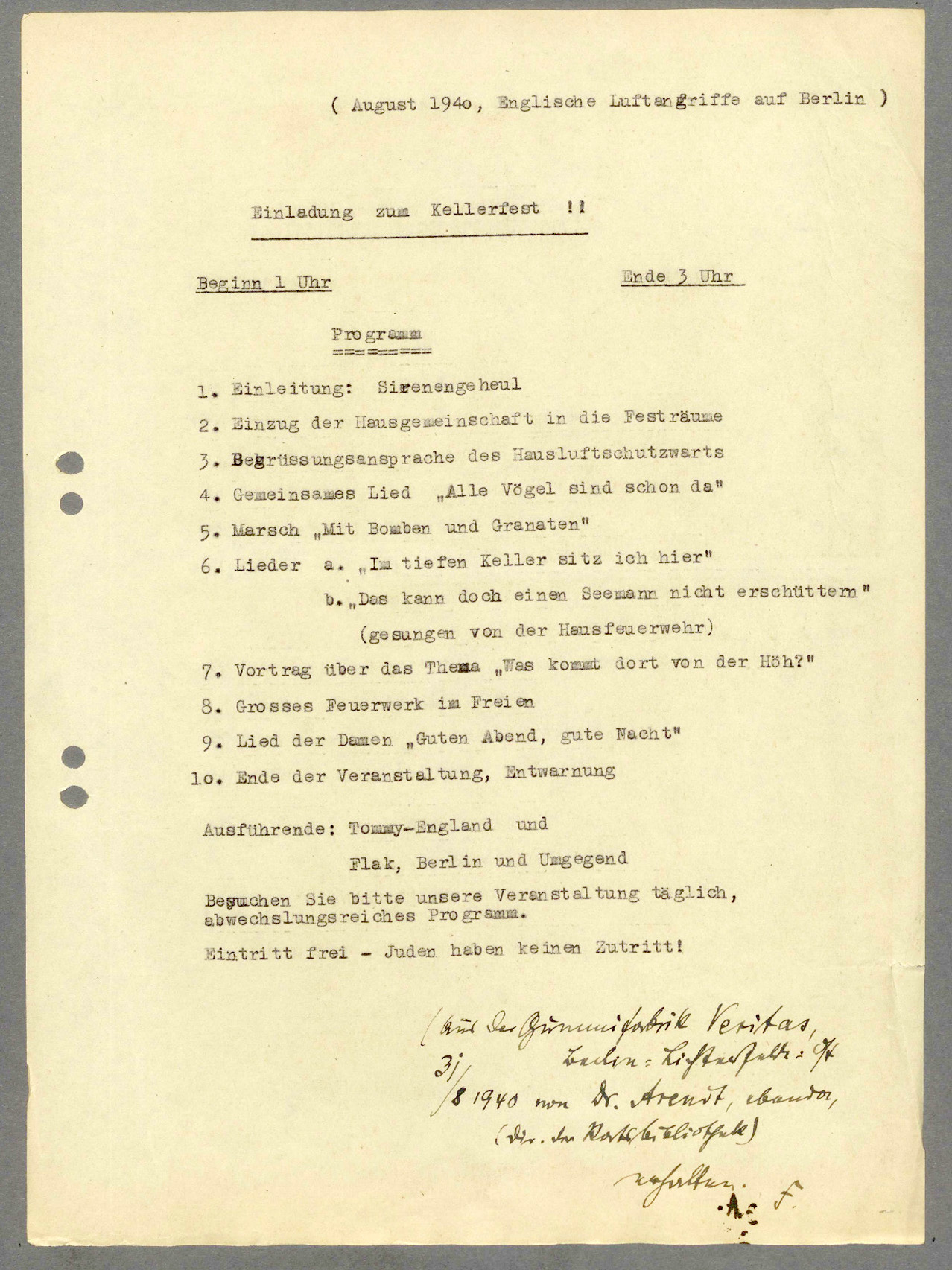
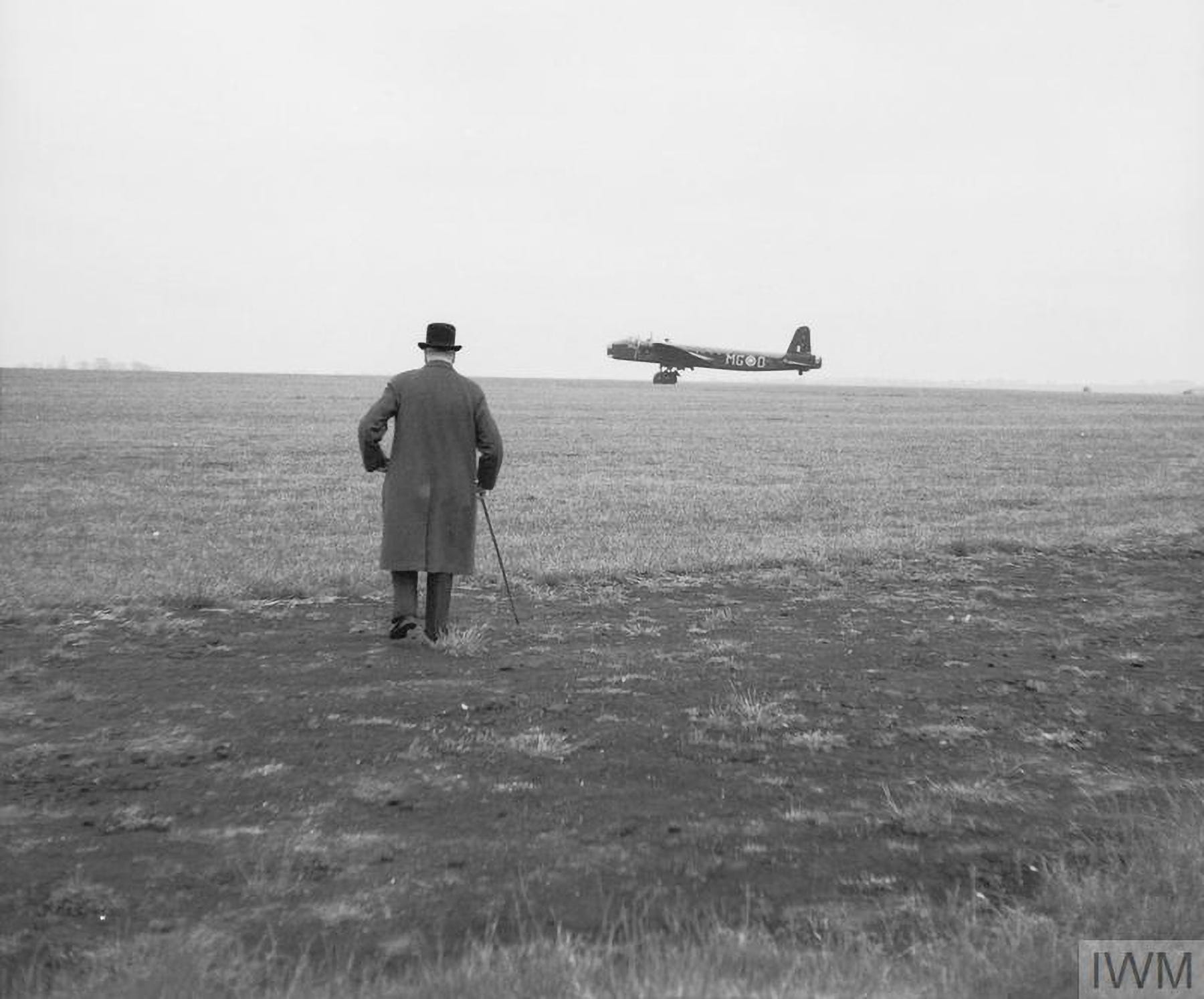
Berlin, feared by RAF crews as the most defended target at the time with hundreds of AA guns and searchlights (more a conviction than a reality) was about four hours and 600 miles of flight from Britain which forced the British bombers available to carry a small payload, but most important it was as simply that Bomber Command lacked enough strength (and technology) at this stage to inflict serious damage to the German capital; their psychological consequences were far greater, though.
On the other hand, although the material and the loss of human life in these attacks were small compared to what was to come later, it became clear that the capital was completely inadequately defended. Much too late began with improvised protective measures, and as a report by the security service (SD-Sicherheitsdienst) described ‘the expectations for the capital’s defence had clearly not been fulfilled.’20
The September bombing escalation would change everything.
(Video Source: Netfilm.)
_______________
Bibliography:
Blank, Ralf, et al. Germany and the Second World War: Volume IX/I: German Wartime Society: Politicization, Disintegration, and the Struggle for Survival. OUP Oxford, 2008
BRITISH BOMBING SURVEY UNIT. The Strategic Air War Against Germany 1939 - 1945 - The Official Report of the British Bombing Survey Unit. Frank Cass, 1998
Groehler, Olaf. Bombenkrieg Gegen Deutschland. Akademie Verlag, 1991
Middlebrook, Martin and Everett, Chris. (1985). The Bomber Command War Diaries: An Operational Reference Book. Pen & Sword Aviation. Reprint Edition 2014
Tress HB. Churchill, the First Berlin Raids, and the Blitz: A New Interpretation. Militaergeschichtliche Zeitschrift, Volume 32, Issue 2, Pages 65–78. 1982
Thank you for reading Berlin Bombenkrieg by Pablo López Ruiz. Please subscribe, if you haven’t yet, to comment, follow and share. All images used for non profit / educational purposes.
Quoted in BOWMAN, Martin W. Voices in Flight: the heavy bomber offensive of WW2. Pen & Sword Aviation, 2014
BIDDLE, Tami. Rhetoric and Reality in Air Warfare: The Evolution of British and American Ideas about Strategic Bombing, 1914-1945. Princeton Studies in International History and Politics, 2004, p 187
‘Secretary of State for Air Sir Archibald Sinclair replied [to Churchill] on 23 July that a limited capability was available at once, but from 2 August the whole of the heavy bomber force could be employed. With 12 hours’ notice, 65 to 70 tons could be dropped and repeated every night for a week. With 24 hours’ notice the bomb lift could be increased from 130 to 150 tons, repeated every alternative night for a week. If a heavy single blow was desired, the bomb-load could rise to 200 tons.’ in YOUNG, Neil. The Role of the Bomber Command in the Battle of Britain. Imperial War Museum Review No. 06, 1991 (accessed Jan 2023)
CHURCHILL, Winston. Their Finest Hour. Houghton Mifflin, 1949, p 880
a detailed chronicle of the RAF’s early bombings can be found in TWEDDLE, Paul. The Other Battle of Britain: 1940: Bomber Command’s Forgotten Summer. The History Press, 2018, pp 160-85; and DONELLY, Larry. The Other Few: The Contribution Made by Bomber and Coastal Aircrew to the Winning of the Battle of Britain. Red Kite/Air Research, 2004, pp 110-22
CHORLEY, WR. RAF Bomber Command Losses of the Second World War. Volume 1 1939-40. Classic Publications. 2nd edition, 2013; pp 191-96
The National Archives of the UK (TNA): Operations Record Books: AIR 27; Detailed info about the Hampden operations and figures can be found at THE LAST FLIGHT OF AD730 by Colin Hill. Appendix 2 (accessed Jan 2023)
The New York Times, Friday, August 30, 1940
Airminded. Saturday, 28 September 1940 (accessed Jan 2023)
TWEDDLE: op. cit. p 184
Airminded. Monday, 2 September 1940 (accessed Jan 2023); YOUNG: op. cit.
DEMPS, Laurenz. Luftangriffe auf Berlin. Die Berichte der Hauptluftschutzstelle. Ch. Links Verlag, 2014, p 285
MOORHOUSE, Roger. Berlin at war. Life and death in Hitler’s capital, 1939-45. Vintage Books, 2011, p 155
MOORHOUSE: op. cit. pp 141-45
OVERY, Richard. The Bombing War: Europe, 1939-1945. Allen Lane, 2013, pp 100-101
TWEDDLE: op. cit. p 166; Donelly for his part concluded that ‘Fighter Command was given a chance to get its second wind’ DONELLY: op. cit. p 111; ‘More raids in the same week and the general damage caused to German cities by the air offensive were contributory factors in the Luftwaffe’s change of air attack priority from Fighter Command’s airfields to London on 7 September, the turning point of the Battle of Britain.’ in YOUNG: op. cit.
ZALOGA, Steven. Defense of the Third Reich 1941-45. Fortress 107. Osprey Publishing, 2012, p 27
SHIRER, William. Berlin Diary: The Journal of a Foreign Correspondent, 1934-1941. Taylor & Francis, 2002. p 416
SHIRER: op. cit. p 112
quoted in MOORHOUSE: op. cit. p 142.