


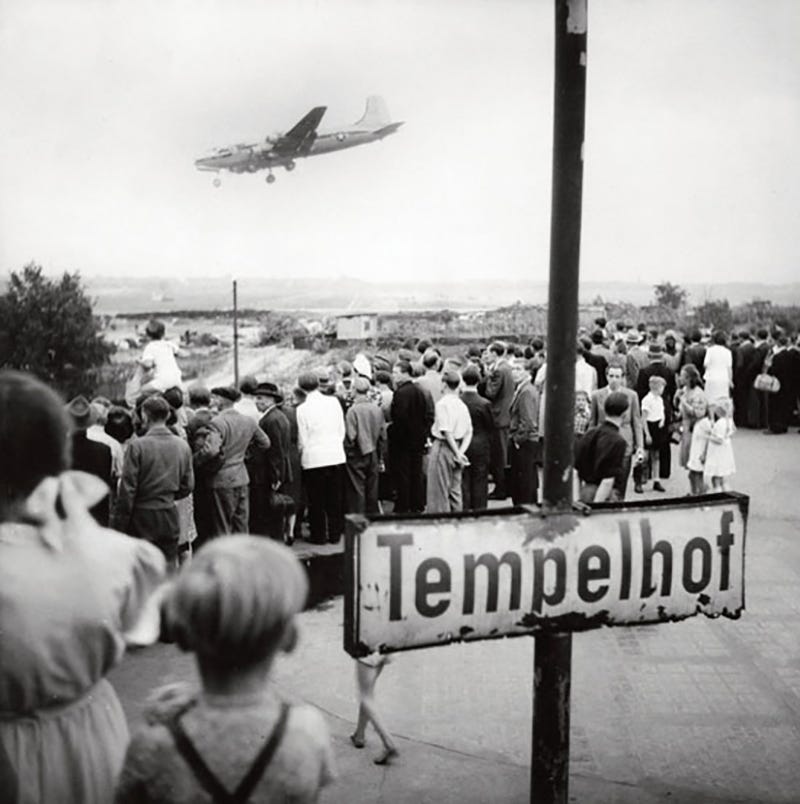
This week we celebrate the 70th anniversary of the start of the “Berlin Luftbrücke”. When the Soviets blockade Berlin on the night of 24 June 1948, the only way to supply the city from West Germany was by plane.
US President Truman and the National Security Council (NSC) formally stated America’s determination to remain in Berlin. They named it “Operation Vittles”, and began on 26 June with the landing of a Douglas C-47 Skytrain in Tempelhof.
American and British airmen made a risky non-stop work flying across Soviet East Germany in unarmed airplanes, and there was also a large supply of ex-Luftwaffe airplane mechanics available right in Berlin. Pilots from Australia, Canada, New Zealand and South Africa also joined the ranks.
The Allies used hundreds of transport and cargo airplanes from RAF Transport Command and the US Military Air Transport Service, and even private operators aid on the effort with their aircraft and cargo trucks. They included civilians as well as military personnel. Some facilities and airfields were improved to accomplish the operation, the old Berlin Tempelhof too, with the construction of a new runway and landing strip to the south of the airfield. A long distance radar was installed on the main building of the airport to guide the aircrews to West Berlin. Even a new air base was built, airport Tegel, with the French authorities ordering the construction of a 2428 m (7,966 ft) long runway, as Tempelhof was not big enough to accommodate all relief aircraft.
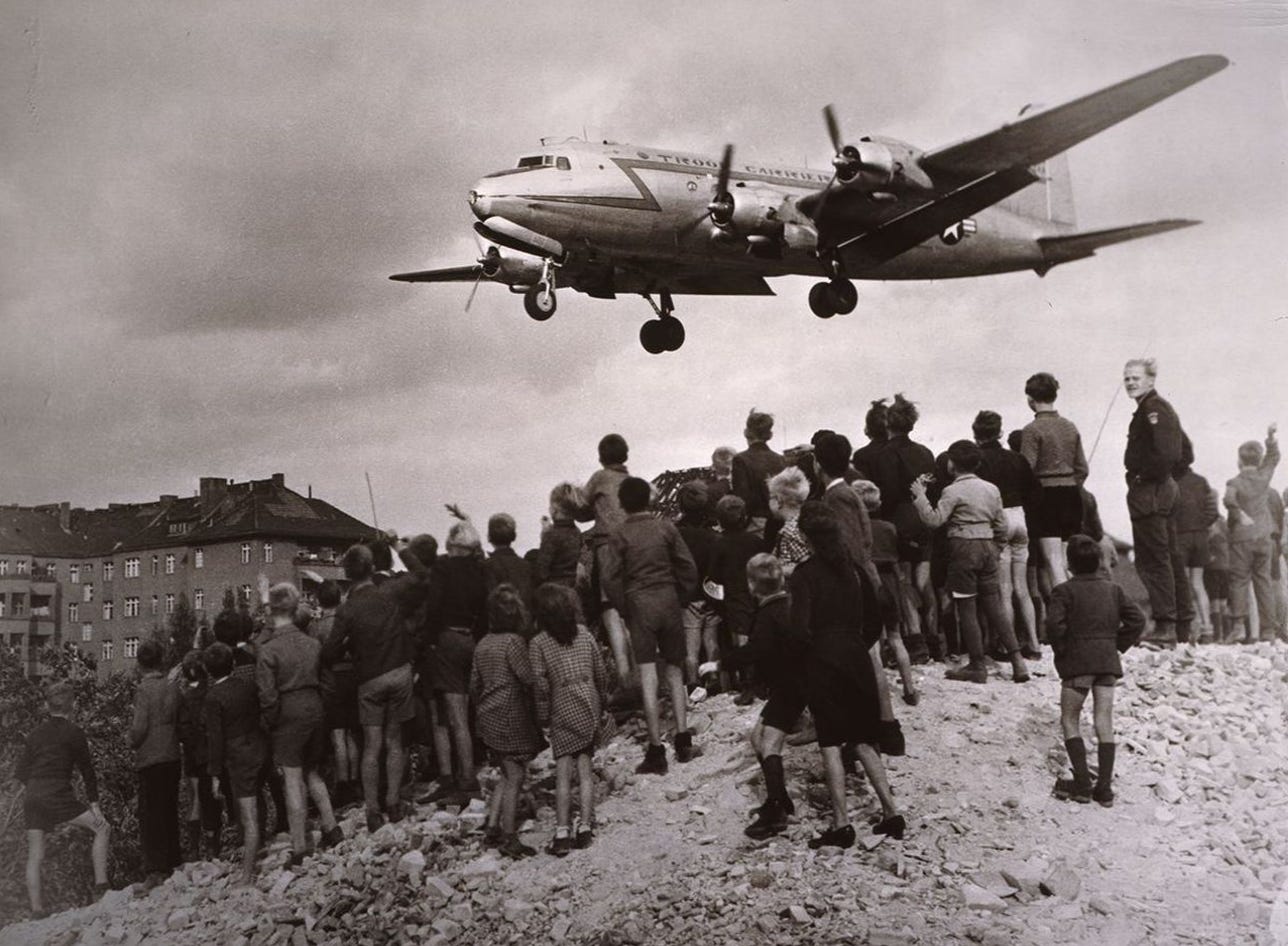
Why is the Berlin Airlift related to the bombing of the city during the war? The same young men that 3 years before flew through Flak and enemy fighters every day and night to bomb the Third Reich’s capital now make the same trip but to carry milk, coal and food to the blocked city. Many former US bomber pilots volunteered for duty in the Air transport command in the new born-USAF. This is how former enemies became friends in the Cold War.
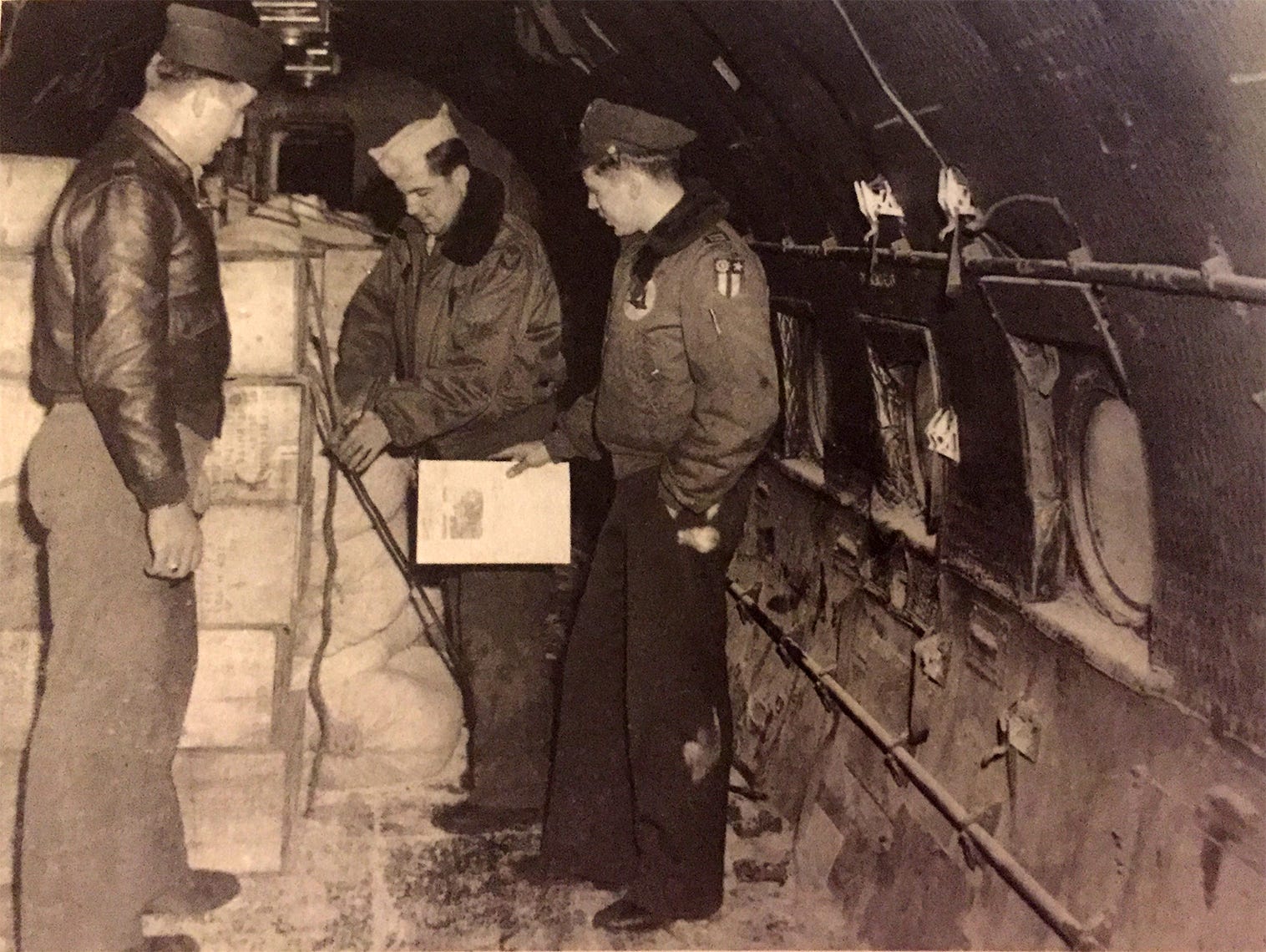
Here, three US airmen check the cargo load inside a C-47 Skytrain during the Berlin Airlift. Notice they even wear their WW2-era flying jackets, the patch on the shoulder on the men at extreme right identifies him as a China-Burma-India veteran.
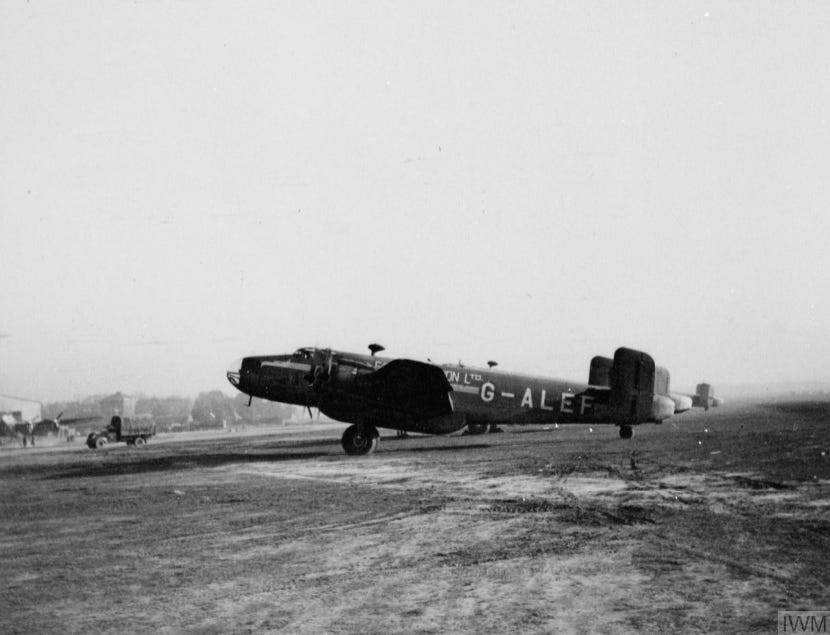
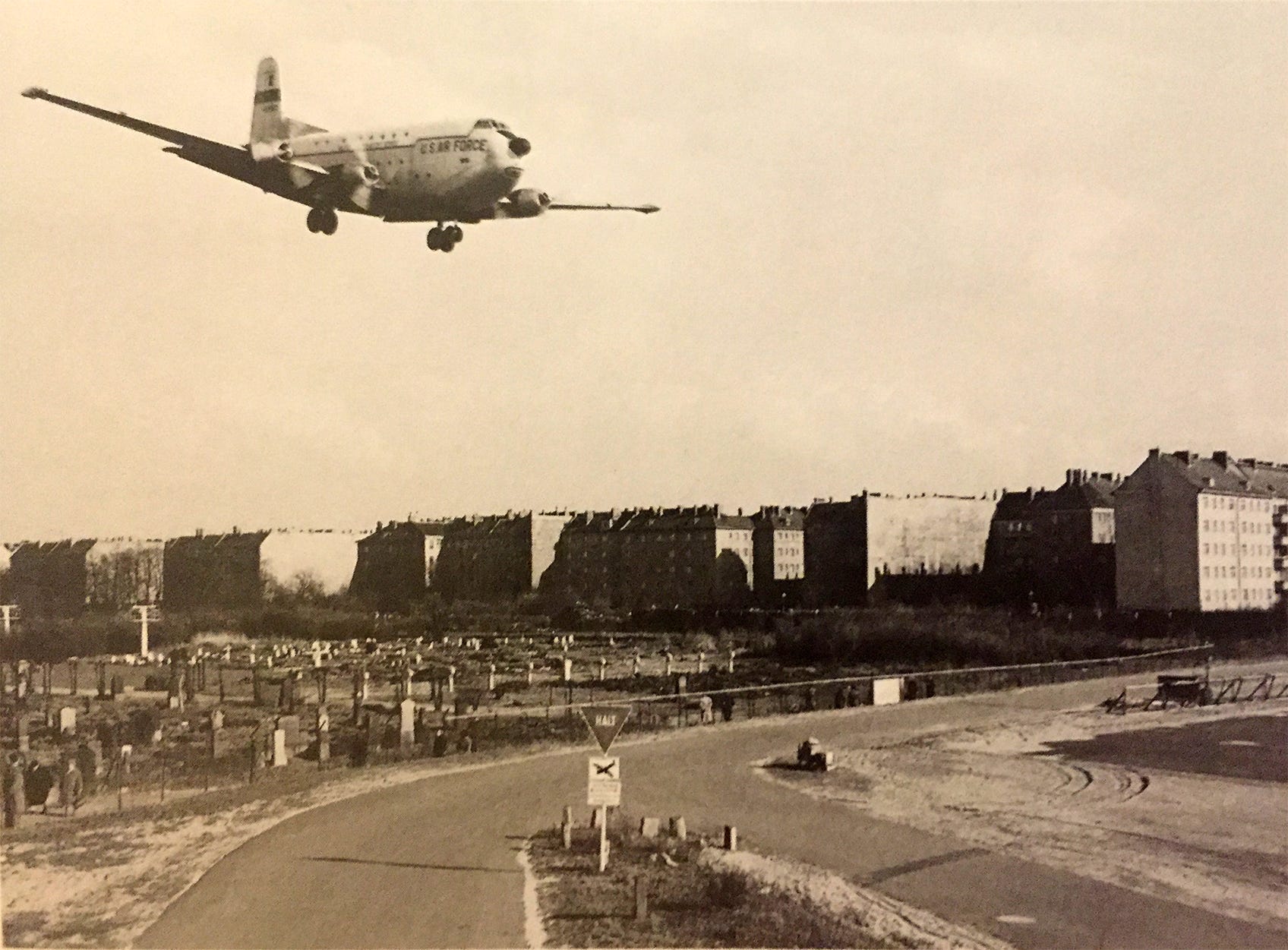
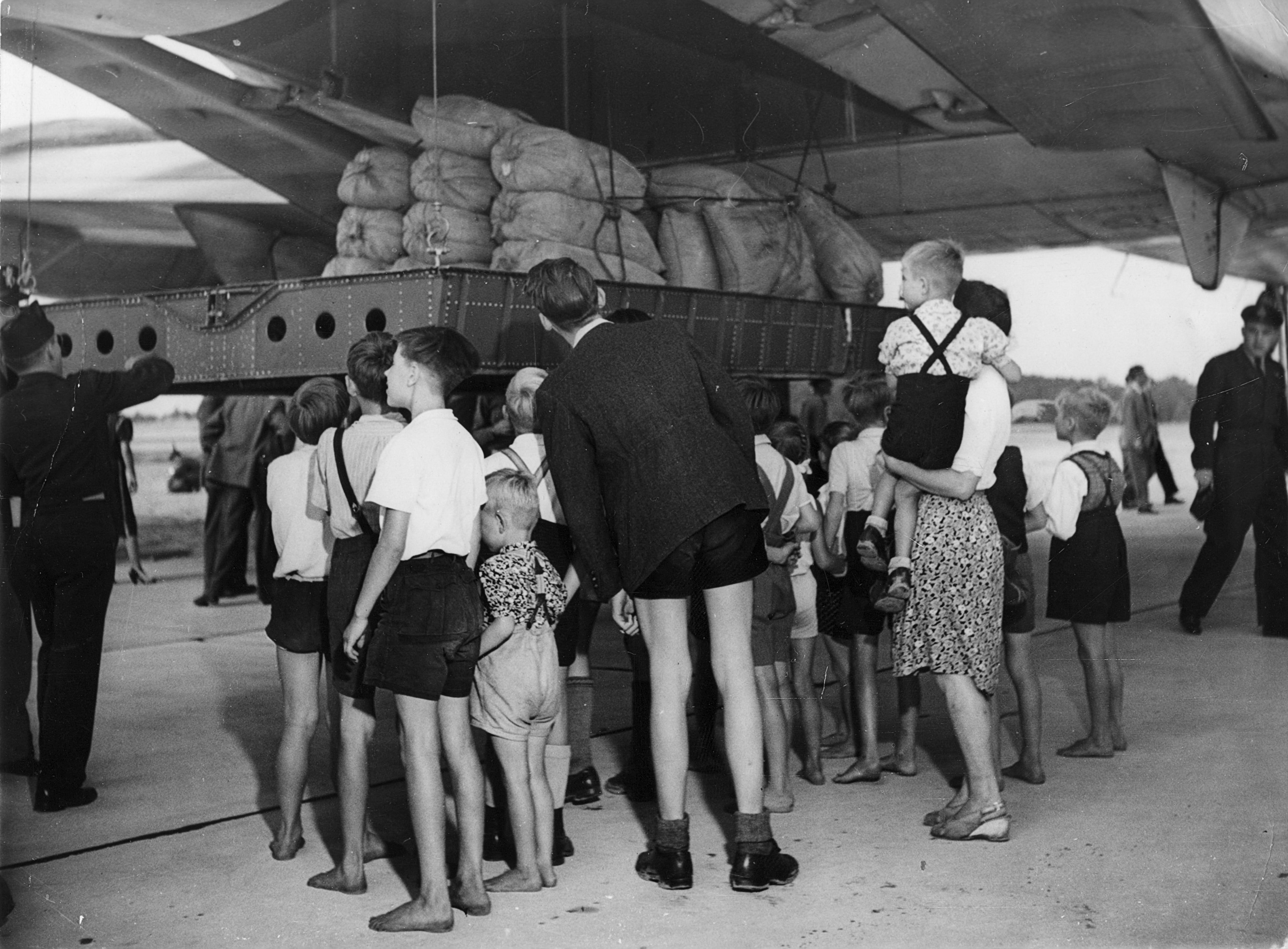
At the end, with almost 278,000 flights, more than 2.3 million tons of freight was transported, feeding 2 million people by air with 1500 flights landed in Berlin every day with enough cargo to supply the city indefinitely.
During the Berlin airlift 31 US airmen and 40 British lost their lives, and on 20 July 1949 the US Congress awarded the Medal for Humane Action to members of the US Army, Air Force, and Navy who served in support for at least 120 days during the period 26 June 1949 through 30 September 1949. Lest we forget.
The breaking of the blockade of Berlin by the Allied airlift of 1948-1949. Produced by British Movietone News, GB, 1949.
_______________
Sources:
Allierten Museum. Die Berliner Luftbrücke. [https://www.alliiertenmuseum.de/thema/die-berliner-luftbruecke/]
Harrington, D. Pioniere der Luftbrücke. Nishen Kommunikation, Berlin 1998
Thank you for reading Berlin Bombenkrieg by Pablo López Ruiz. Please subscribe, if you haven’t yet, to comment, follow and share. All images used for non profit / educational purposes.