


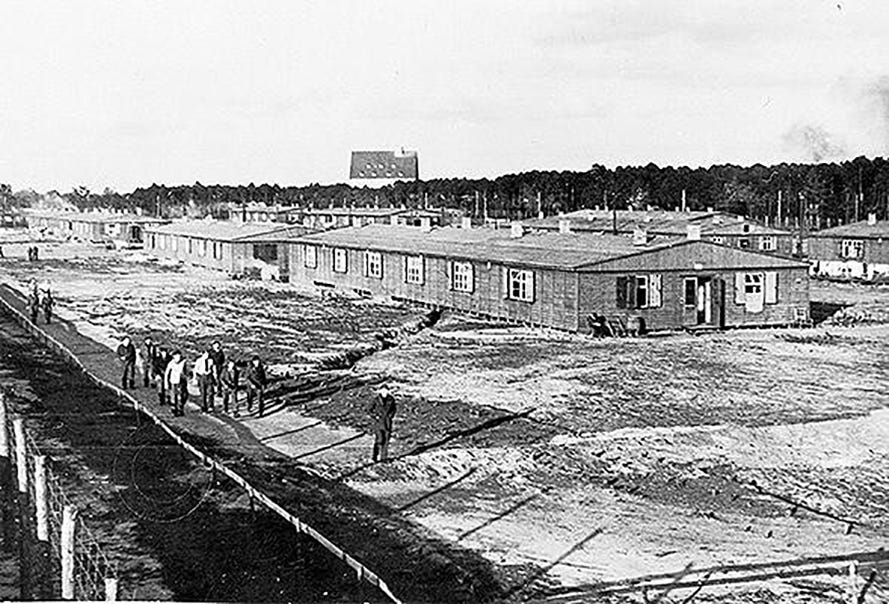
Tonight marks the 75th anniversary of the famous RAF ‘Great Escape’, the massive jailbreak from a German prisoners camp by Allied airmen in Poland.
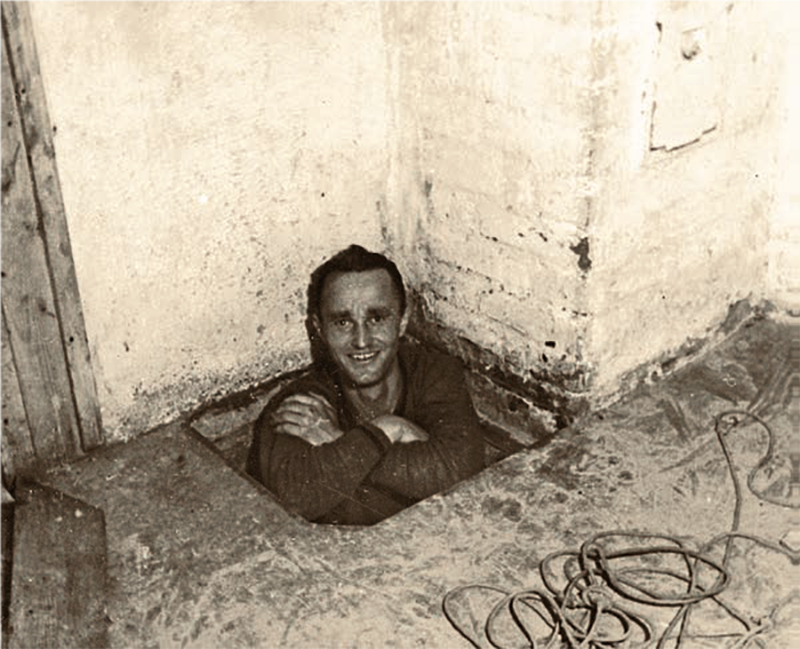
The plan, conceived by RAF Squadron Leader Roger Bushell, in charge of ‘X’ Escape Committee, consisted on a mass escape from the North Compound of the prisoners camp Stalag Luft III at Sagan, Upper Silesia (today Zagan, Poland), about 100 miles southeast from Berlin. He executed it on the night of March 24/25, 1944.
Many of these airmen had been taken prisoners after being downed over Berlin in the previous months. That’s the case of P/O Alan Bryett No 158 Sqn, a bomb-aimer shot down by a German night fighter over the Nazi-capital on the night of 23/24 August 1943 in a Handley-Page Halifax Mk II bomber, piloted by Australian F/Lt Kevin Hornibrook. It was one of 62 bombers lost that night by Bomber Command. Bryett was forced by Luftwaffe members to walk through the smoking Berlin. Behind the wire, after arrive to the camp in October 1943, he became a ‘penguin’, strolling surreptitiously around the compound dispersing sand from the tunnels with a blooming great sock full of sand down each trouser leg. Bryett was in the queue of men waiting to escape the night of the plan by tunnel (the one nicknamed ‘Harry’, about 300-foot long) when the German guards discovered the tunnel entrance.
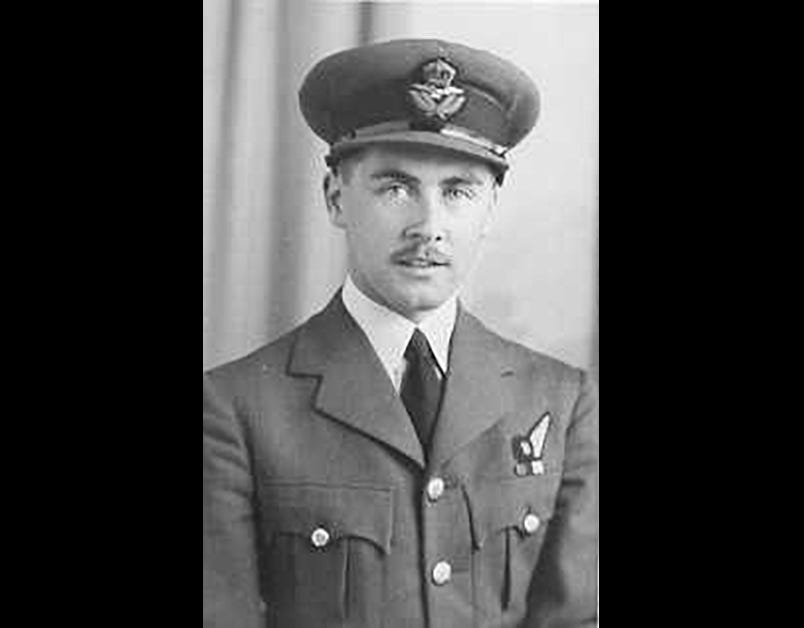
Bushell’s plan was to get 220 out of the camp, but only 76 crawled through to freedom.
However, the escape plan was not without troubles. Flight Lieutenant Johnny Bull discovered that the tunnel mouth was some 15 feet short of the tree line and within 30 yards of the nearest watch tower. Also, an air raid on Berlin then caused the camp’s (and the tunnel’s) electric lighting to be shut down, slowing the escape even more.
This raid was the last RAF bombing on the capital during the ‘Battle of Berlin’. Bomber Command dispatched 811 bombers in bad weather to bomb the city; the big winds suffered, very bad bombing pattern and the great losses -72 aircraft- made the raid a disaster. The proximity of Sagan’s POWs camp to Berlin and the start of that air attack were the cause the Germans disconnect the lighting, as standard procedure for blackout says. The bombing force was so scattered by wind and fighter attacks that a total of 126 communities outside Berlin reported being bombed.
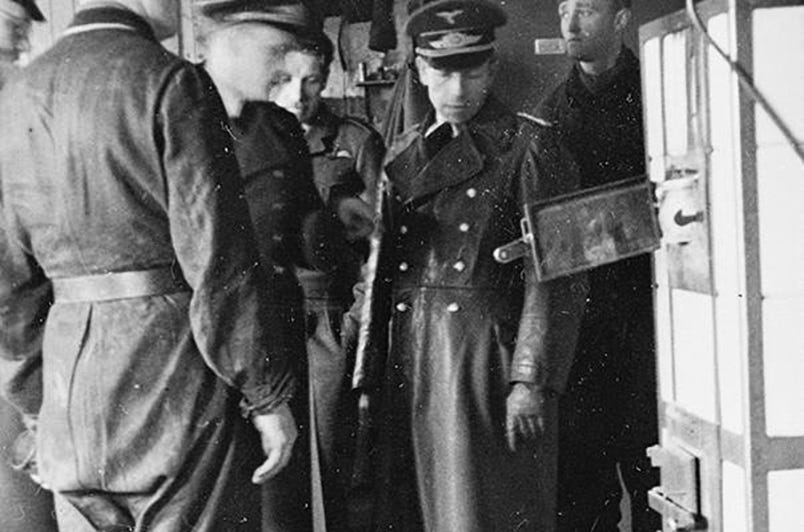
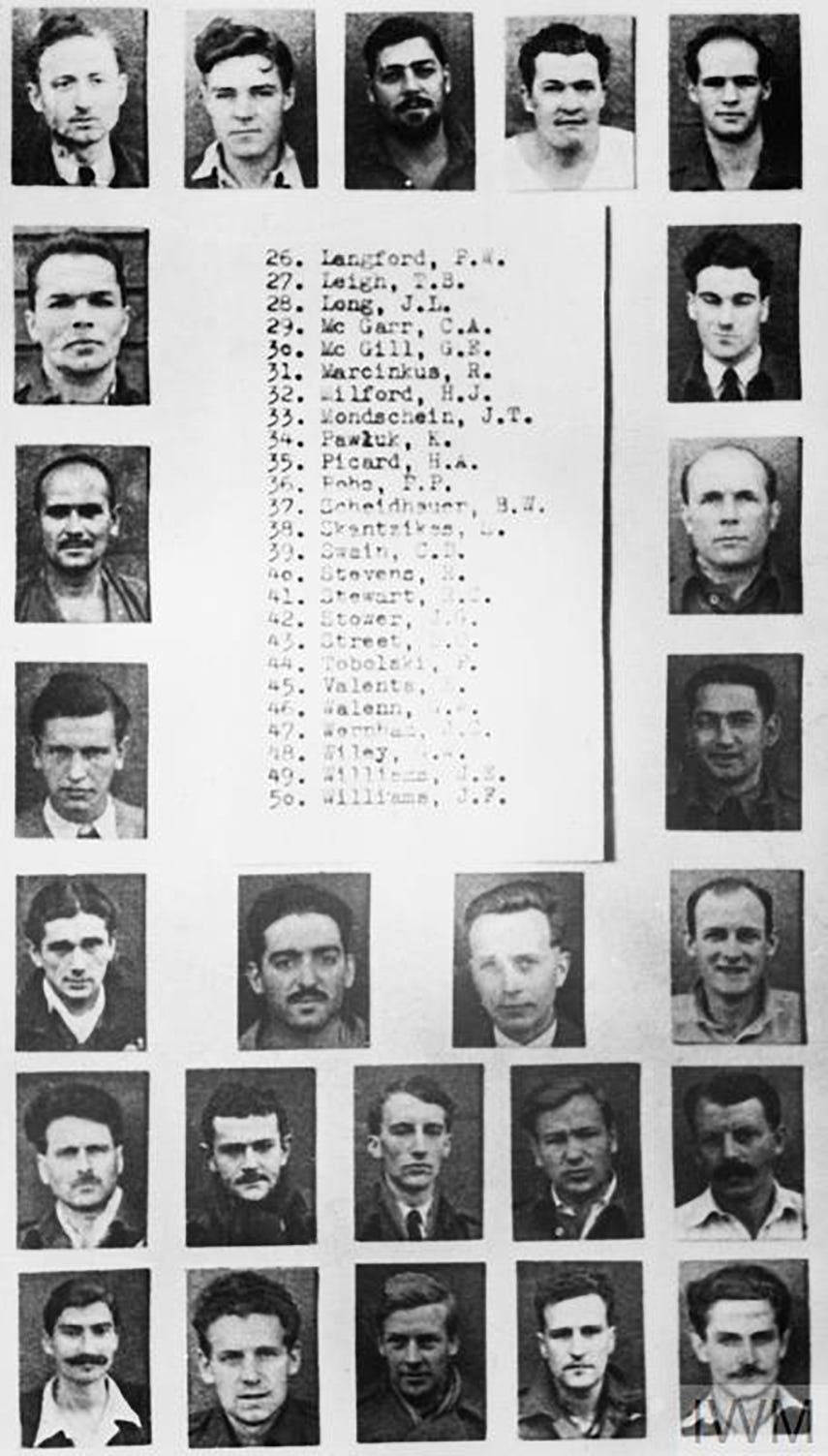
Of 76 escapees, 73 were re-captured, and Gestapo murdered 50 of them following Hitler orders in the following days.
Bryett remembers: ‘My initial disappointment at not being among the 76 men to get out was transformed into a grim relief when news filtered back to the camp that 50 of the re-captured men had been shot, on Hitler’s orders. They were so young. Even our guards were shocked – they let us build a memorial to our friends.’ After “The Great Escape”, escaping was forbidden by senior British officers. Risk was so high.
In total, the camp ‘hosted’ 2,500 RAF officers, about 7,500 USAAF, and about 900 officers from other Allied air forces, for a total of 10,949 inmates. It was liberated in January 1945 by Soviet forces.
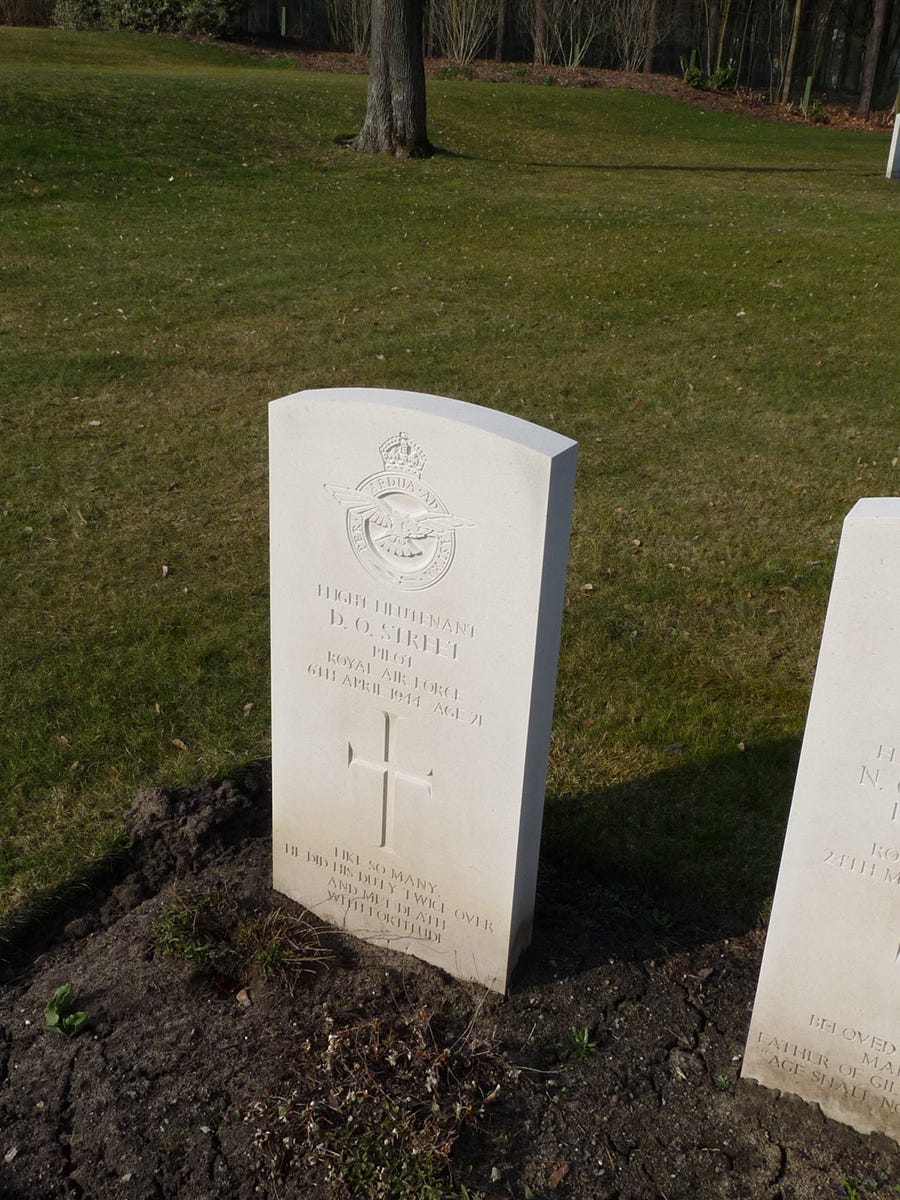
Another one related with Berlin is Flight Lieutenant Denys O Street of RAF No 207 Squadron. He was shot down on 29/30 March 1943 flying a Lancaster bomber during that night raid over Berlin (one of 21 aircraft lost). He evaded from the camp on the famous night but to be recaptured near Sagan and later murdered. Street is the only victim whose ashes are not at Poznan; his rest are at the Berlin 1939-1945 War Cemetery.
This story was was later immortalized, very altered and fictioned, in the 1963 Hollywood film “The Great Escape” starring Steve McQueen and Richard Attenborough, based on the book written by Paul Brickhill, one of the camp inmates.
Lest we forget them.
_______________
Sources:
Bowman, Martin W. Voices in Flight: RAF Night Operations. Pen & Sword Aviation. 2015.
Bryett, Alan. (Oral history). Imperial War Museums. Item: 27051. © IWM.
The Part I Played in the Great Escape by Alan Bryett. WW2 People´s War. BBC. <https://www.bbc.co.uk/history/ww2peopleswar/stories/13/a3972413.shtml>
Falconer, John. Bomber Command Handbook. The History Press. 1998.
Lake, Jon. Lancaster Squadrons 1944–45. Osprey Publishing. 2002.
Middlebrook, Martin. The Berlin raids. RAF Bomber Command Winter 1943-44. Cassell & Co. 1988.
Overy, Richard. The Bombing War: Europe, 1939-1945. Allen Lane. 2013.
The Great Escape. Royal Air Force Benevolent Fund (RAFBF). 2019. <https://www.rafbf.org/great-escape/>
Wilson, Kevin. Bomber Boys: The RAF Offensive of 1943. Cassell. 2006.
Thank you for reading Berlin Bombenkrieg by Pablo López Ruiz. Please subscribe, if you haven’t yet, to comment, follow and share. All images used for non profit / educational purposes.