


When British RAF Bomber Command went to war in 1939 at the outbreak of World War 2, their staff soon realized that was equipped with a very limited and inadequate arsenal of bombs.
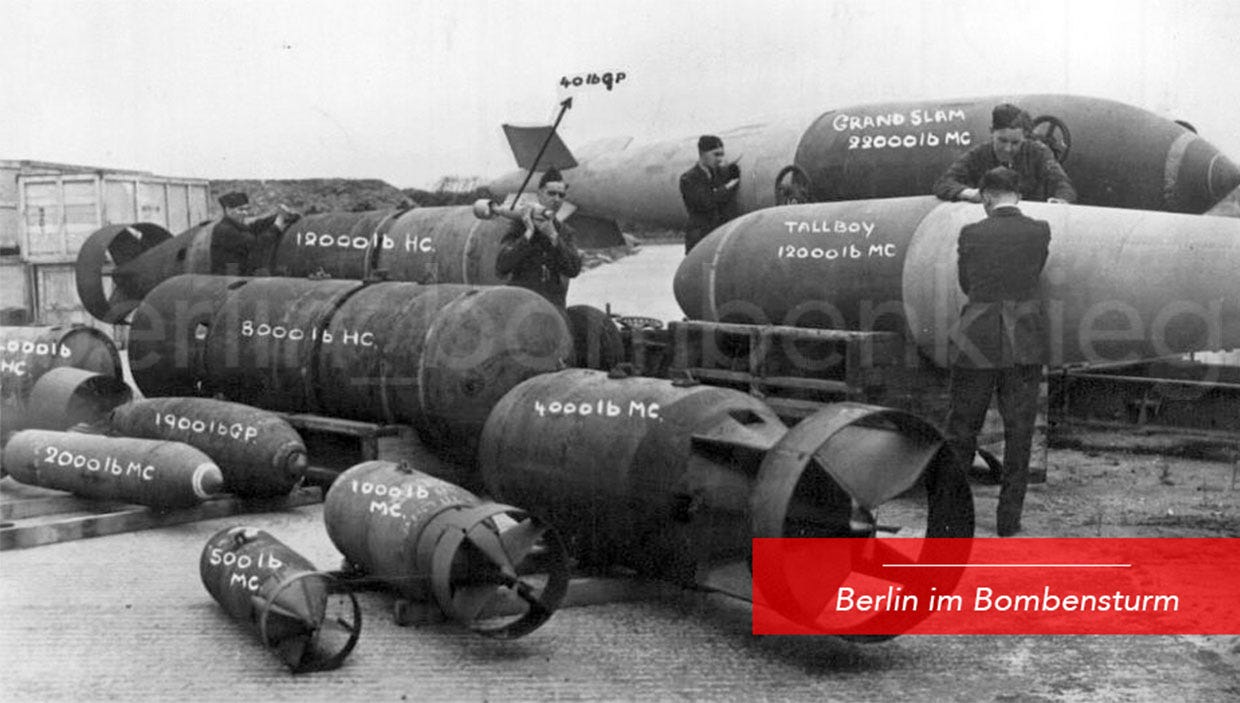
General Purpose GP Bombs:
The high explosive GP (general purpose) bombs, developed from 1935, were the initial arsenal that Bomber Command had to carry destruction to Third Reich’s soil and people, but these had an ineffective performance and their explosive-to-weight ratio was low.
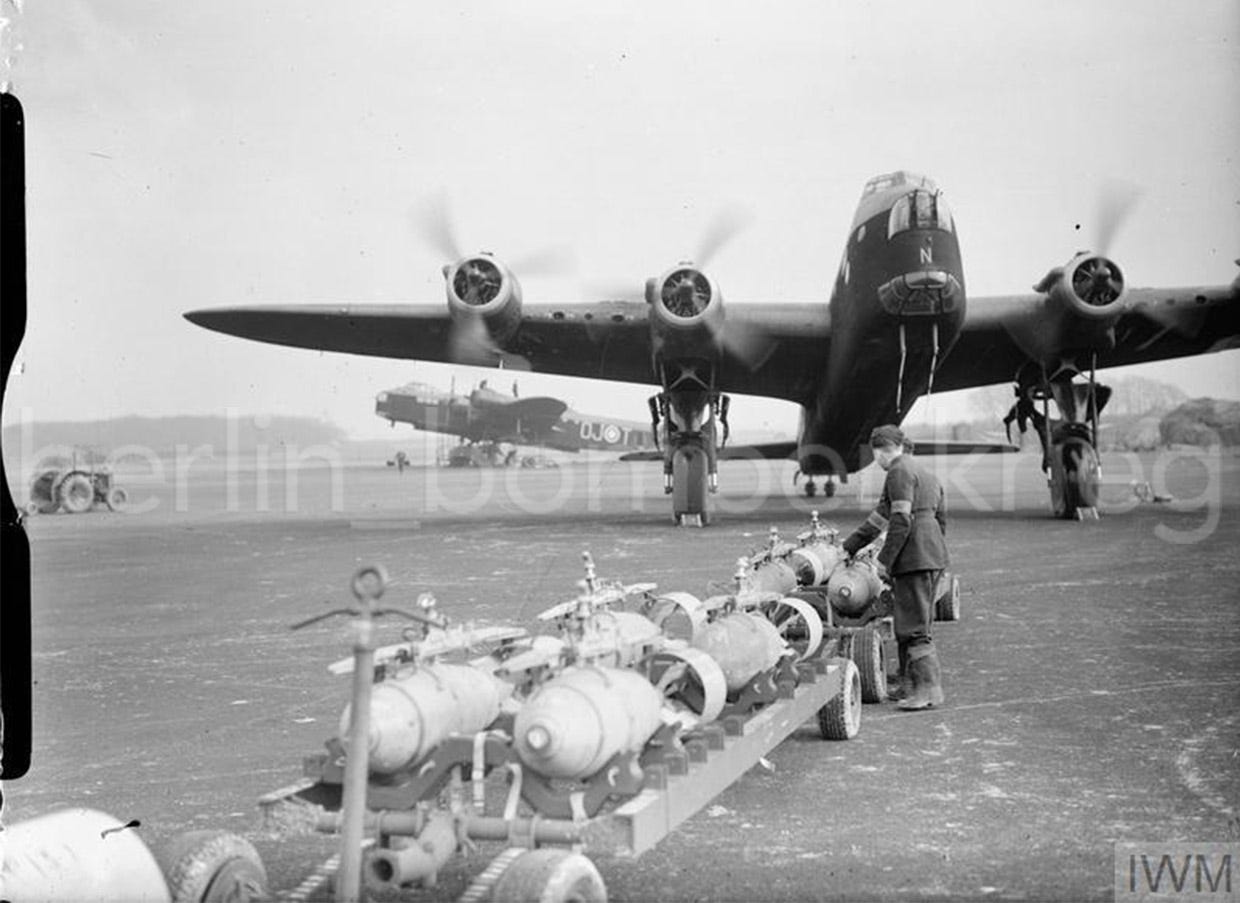
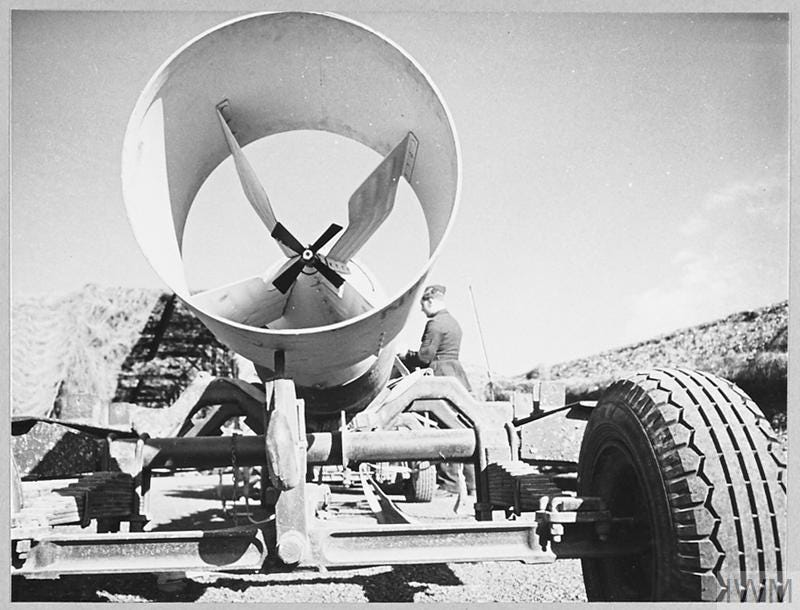
During the first three years of the war, RAF bombers usually flew with a small bomb cargo. In the case of Bomber Command attacking German industries and cities, the normal load was 500-lb (227 kg) and 250-lb GP (114 kg) bombs for hard targets and 40-lb bombs in containers for ‘soft’, plus the 20-lb (F) anti-personnel fragmentation bomb used mainly on tactical missions. For the 20-lb and 40-lb bombs, purpose-made packing pieces secured the individual bombs as a cluster within each partition. This early series of HE bombs used an explosive mix called ‘Amatol’, a mixture of TNT and ammonium nitrate.
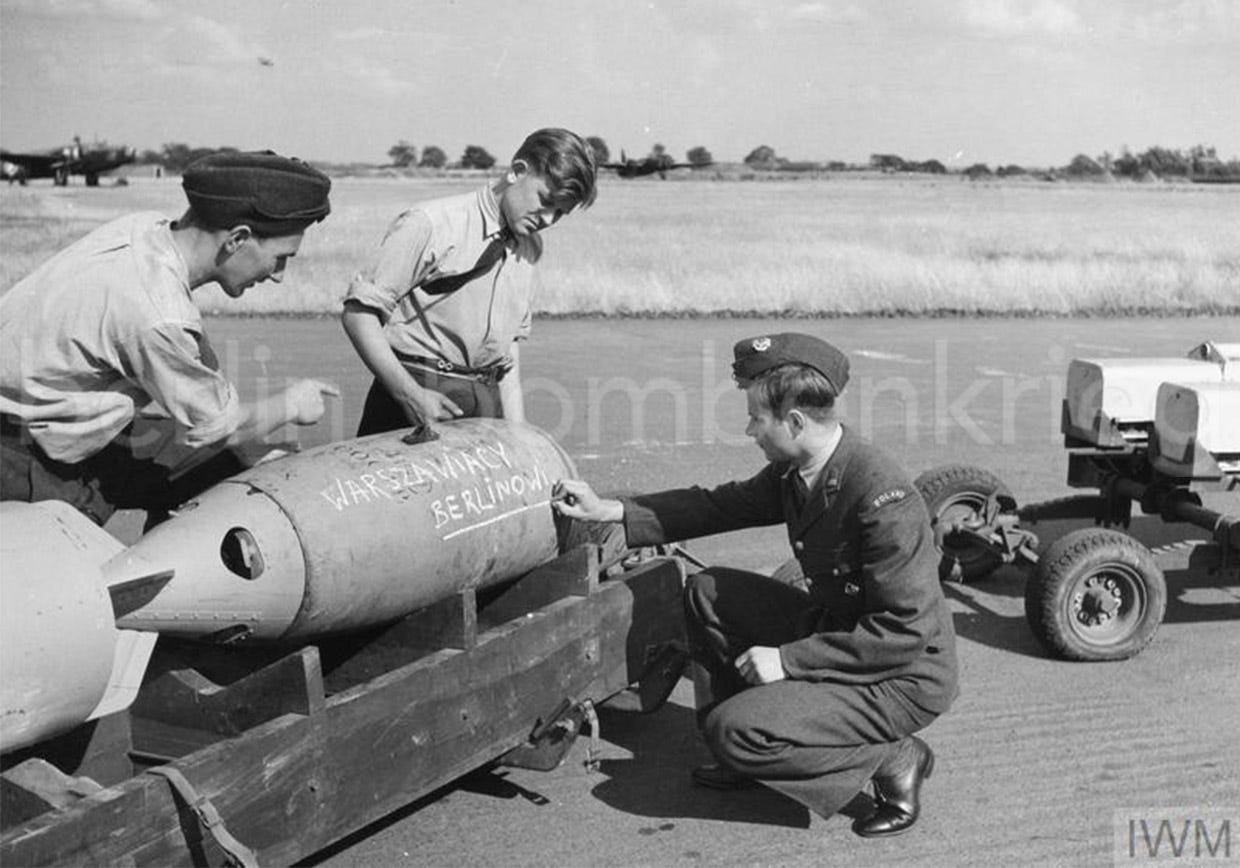
The initial British trio of bombers -Wellington, Whitley and Hampden- were hampered by their small capacity of the bomb-bays and by the fact of being twin-engined planes, the more ton of bombs loaded means less fuel capacity. Berlin was at 950 kilometres (590 miles) from London in the very extreme range of RAF ‘twins’. For example, the max bomb-load of a Vickers Wellington was 4,500 lb (2,041 kg) of bombs, but this figure was reduced to only half when the type attacked Berlin to be able to reach it.
The size of bomb-bays in RAF aircraft and the perceived chance of a hit were both real considerations in this early period. During 1940, use of the smaller ordinance (over 2,000 20-lb F; over 26,000 40-lb GP; nearly 62,000 250-lb GP) far outstripped that of the 500-lb GP (just over 20,000).
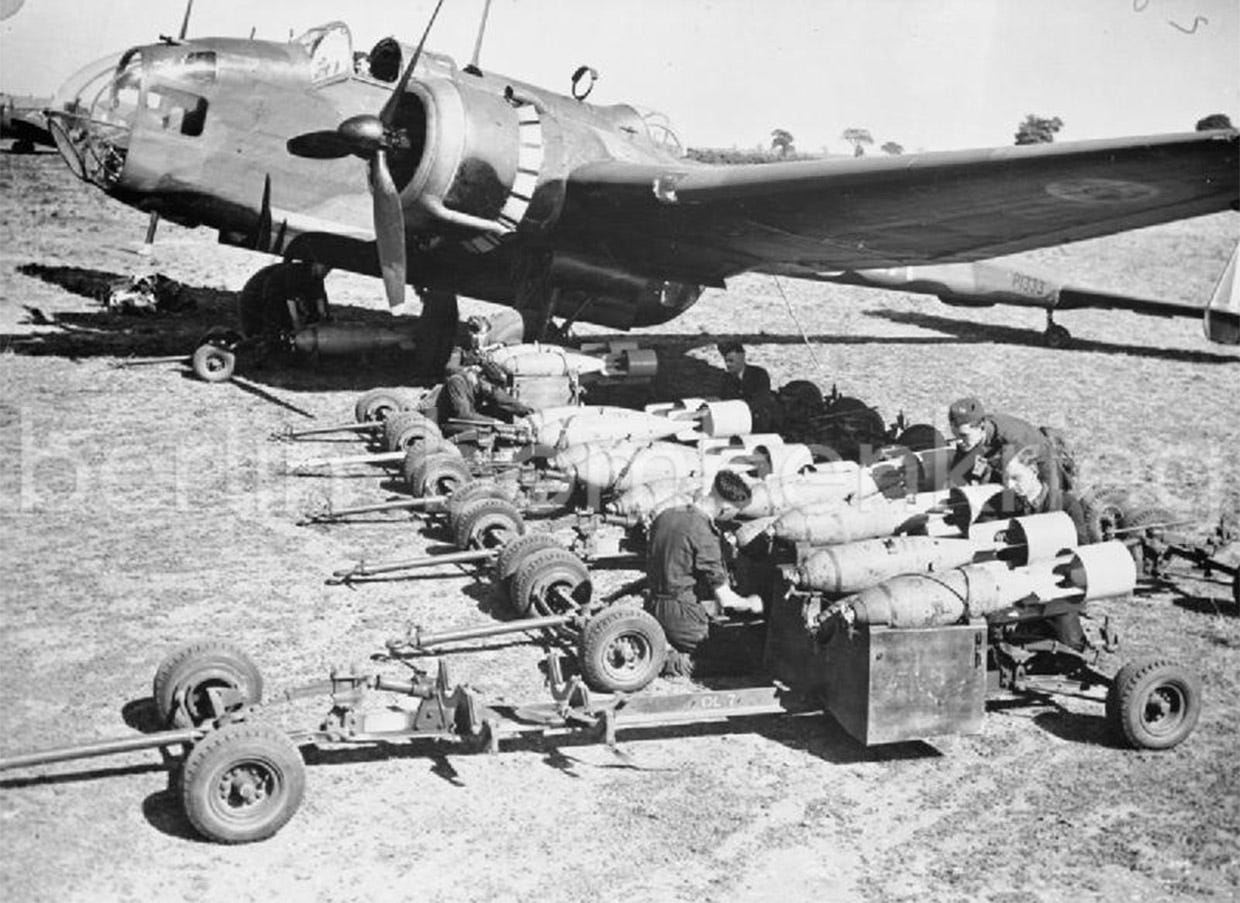
At the beginning of the war, HE (high explosive) bombs were considered the best weapon to use, with incendiaries employed in small numbers as a harassment measure; but the change in the bombing tactics from industrial targets to civilian and ‘area’ targets led the way to a mixed load comprising a much higher ratio of incendiary bomb to HE during the final years of the conflict.
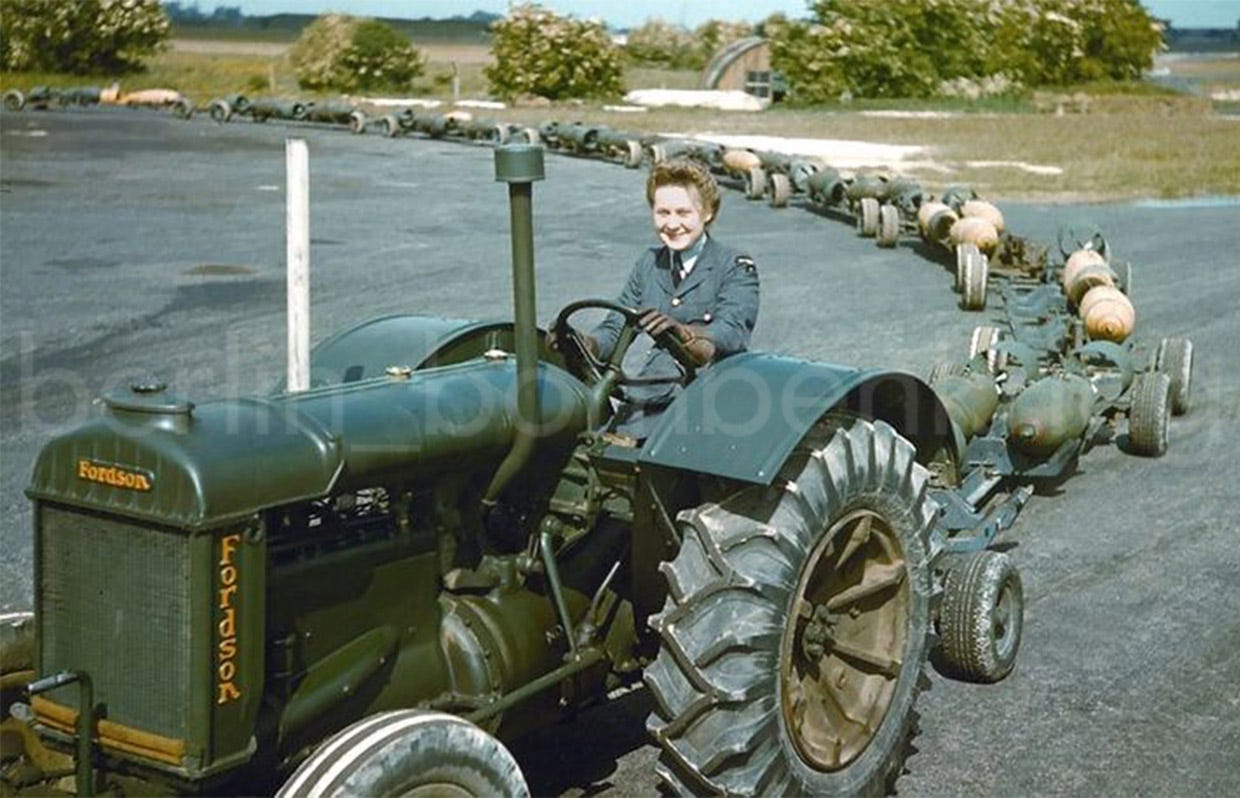
The 250-lb and 500-lb GP bombs were extensively used in 1941 yet, until the more capable high explosive bombs were developed and brought into use. All these bombs became available in quantities too large for the existing bomber force in use; the RAF had the bombs but not enough bombers to use them against the Reich. For example, in October 1941 there were unused stocks of 121,000 tons of bombs at Britain depots.
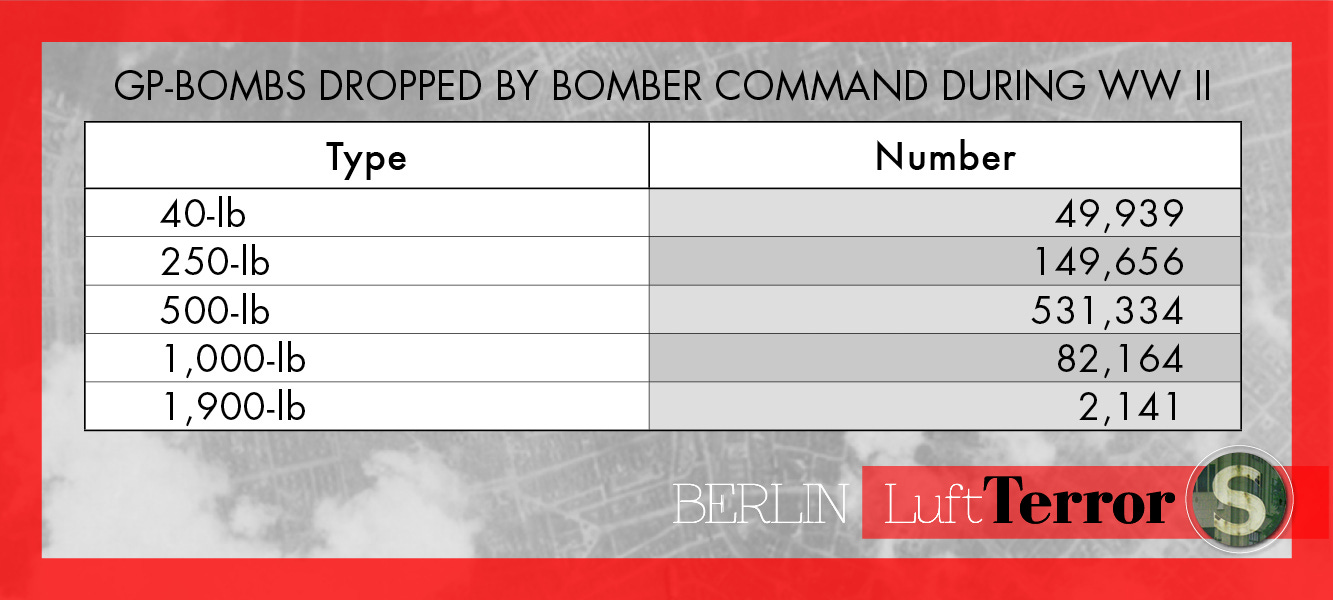
This table shows, by type, the number of General Purpose bombs dropped by RAF Bomber Command during World War 2. Source: Burls, Nina. RAF bombs and bombing. ROYAL AIR FORCE HISTORICAL SOCIETY. Journal 45. 2009.
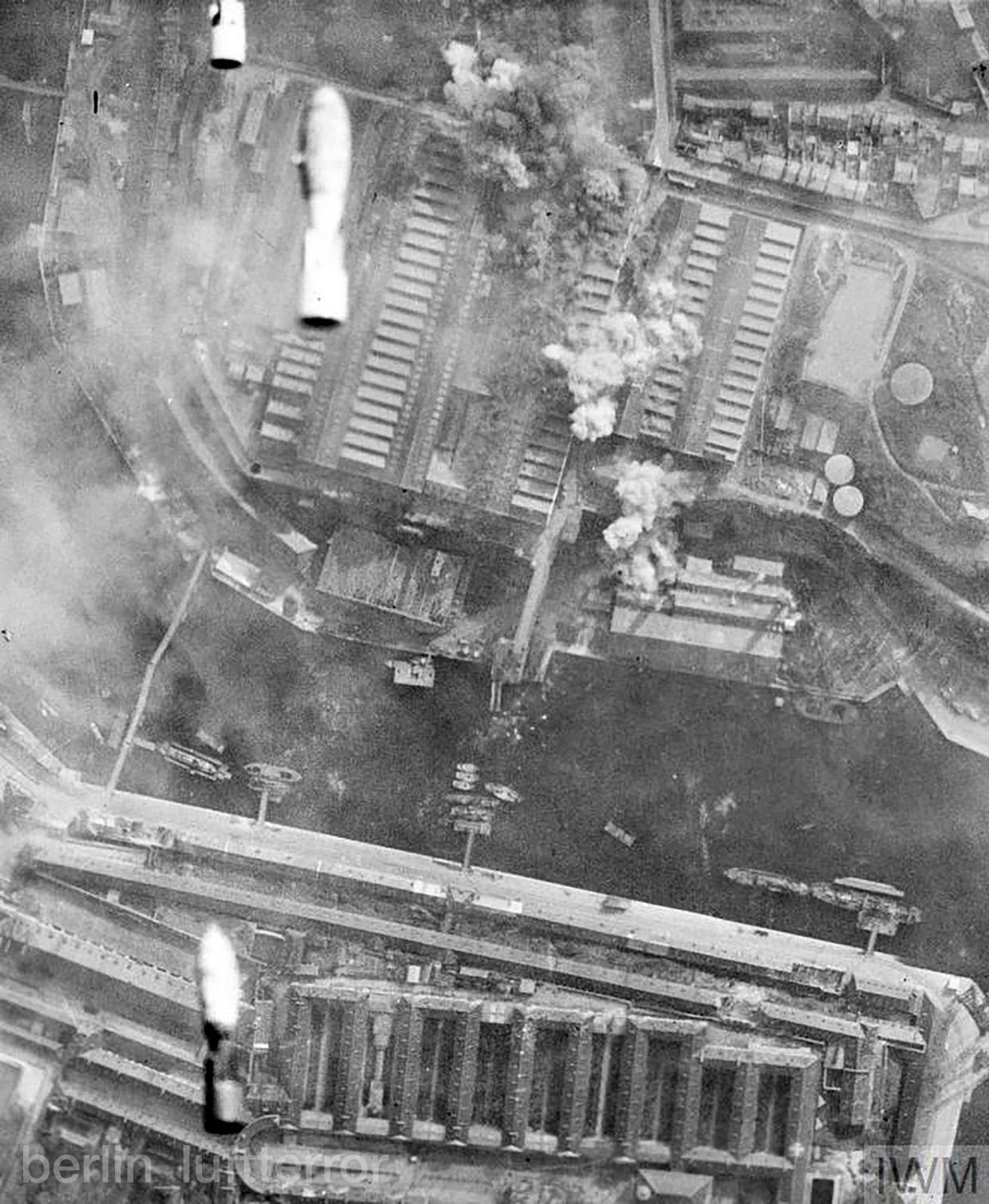
The GP-bombs had a high detonation-failure rate (10-15%) and the introduction of the heavy four-engined bombers such as the big Short Stirling just augmented the ton of explosives dropped on the Third Reich, not the effectiveness of the raids.
In conclusion, during 1940-41 RAF Bomber Command was inadequate to destroy such a large city like Berlin was and tried to grow the number of raids against the capital, all of which did little damage. This led to two vital changes: the development of the more potent MC and HC bombs, and the introduction from mid 1941 of the new heavy four-engined bomber force.
_______________
Sources and bibliography:
Air ministry. RAF Armament Volume I: Bombs and Bombing Equipment, 1954
Bowman, Martin W. Nachtjagd, Defenders of the Reich 1940-1943. Pen & Sword Aviation, 2016
Bowman. Martin W. Voices in Flight: the heavy bomber offensive of WW2. Pen & Sword Aviation, 2014
Bowman, Martin W. Voices in flight: RAF Night Operations. Pen & Sword Aviation, 2015
Boyd, David. British Equipment of the Second World War. 1000 lb Medium Capacity Bomb. [Accessed March 2018]
Falconer, John. Bomber Command Handbook. The History Press
Overy, Richard. The Bombing War: Europe, 1939-1945. Allen Lane
Thank you for reading Berlin Bombenkrieg by Pablo López Ruiz. Please subscribe, if you haven’t yet, to comment, follow and share. All images used for non profit / educational purposes.