


MC Bombs:
Armourers from No 97 Squadron preparing MC-bombs on their trolleys to be loaded onto a Lancaster bomber on July 1943 at RAF Waddington.
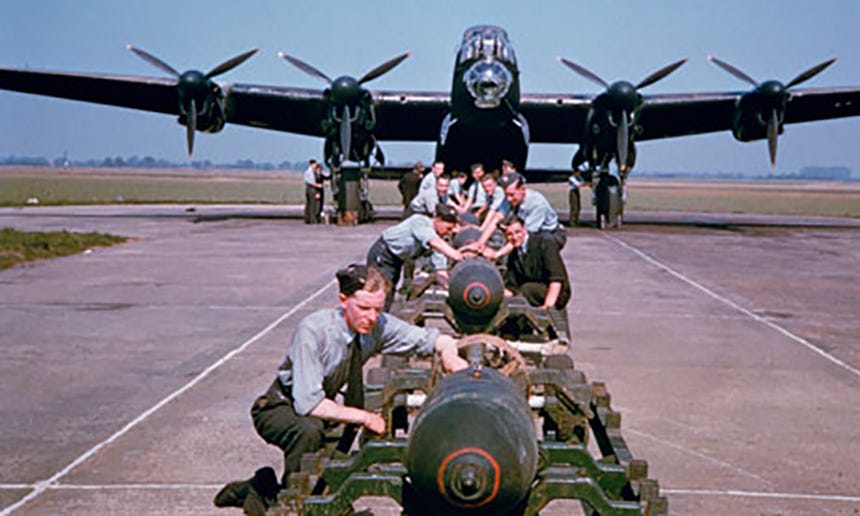
The limited and inadequate arsenal of bombs composed of the high explosive GP (general purpose) bombs (10-15% detonation failure rate) made British Bomber Command to develop a new range of explosives: these weapons were the Medium Capacity (MC) Bombs, which had improved metal to explosive ratios and also proved more reliability and generally exploded on impact, unless fitted with delayed action fuses. Basically, higher explosive into lighter cases to obtain a greater blast.
The analysis of the destruction inflicted by Luftwaffe’s bombers over Britain, particularly by the Germans’ SC (Spreng Cylindrische) series of bombs (usually filled with a mixture of 40% amatol and 60% TNT), with their higher charge to weight ratios and destructive power, marked the new requirement.
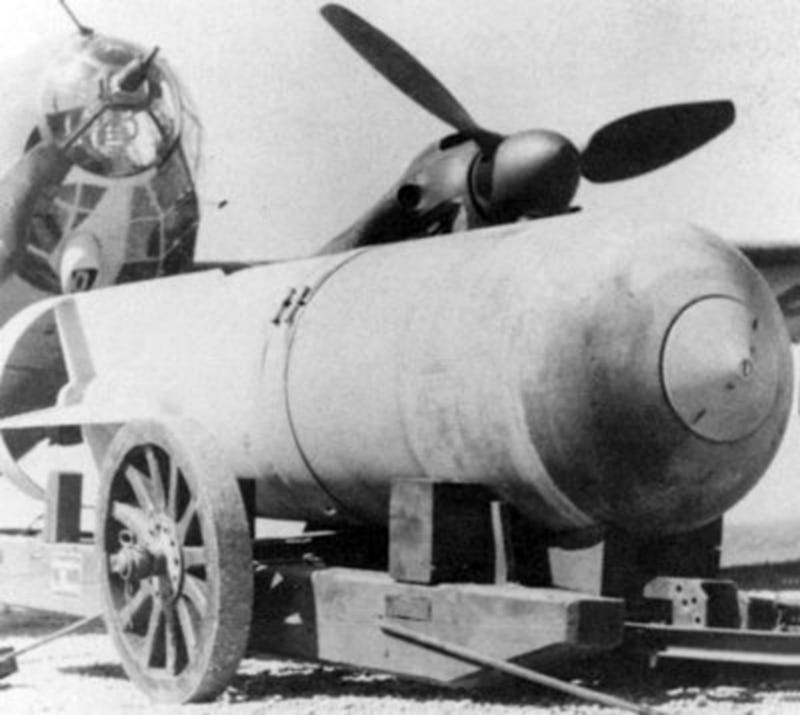
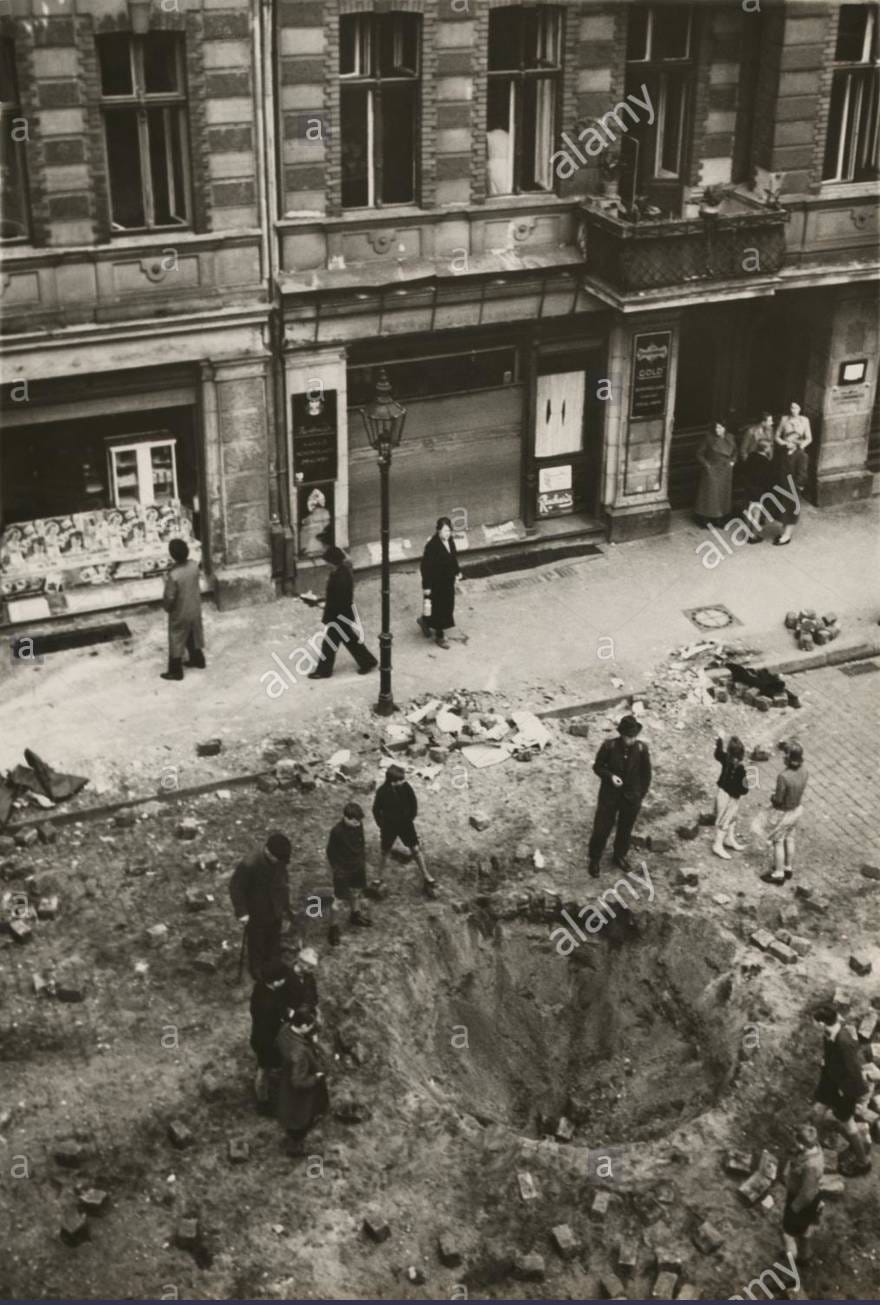
The first bombs dropped on an air raid were high explosive bombs, to shook the people and lead the way to the incendiaries, the actual fuse of the destruction into the streets. Vast swaths of fire engulfed the town, and then the RAF attacked again with their MC-bombs, a last punch of destruction to spread fire and keep firefighters away and to avoid wardens and police officers to drawn out and assist the city and their people. The roads and streets, and water pumps were destroyed and harassed by craters and blows, incapacitating the workforce.
The 500-lbs MC (227 kg) bomb was first introduced into the Command’s inventory at the end of 1941, the bomb contained twice as much explosive of Amatol than its GP equivalent and became a mainstay for bombing operations due to its much greater blast effect. As the war progressed, the Air Ministry scientific advisors and experiments made by Solly Zuckerman (a scientific advisor to the Allies on bombing strategy) found that blast effect rather than penetrative power was more important in destroying buildings.
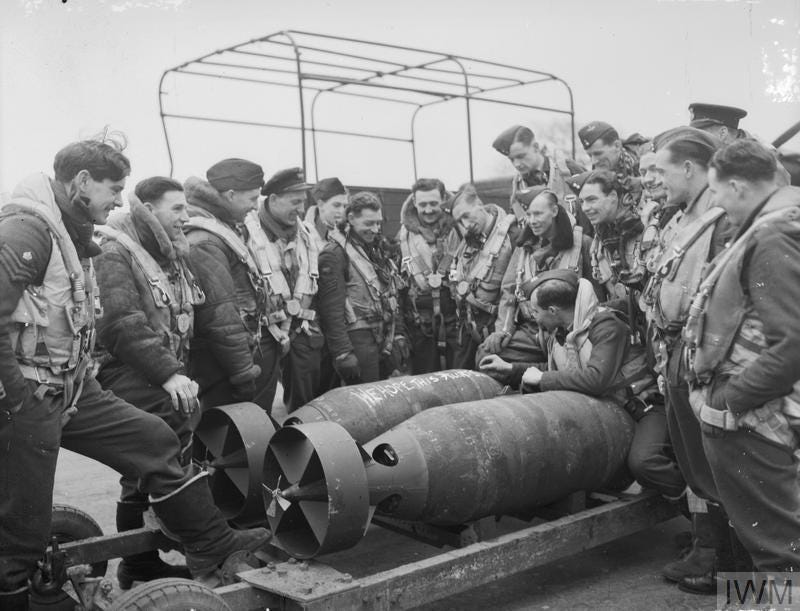
However, they still lacked aluminized explosive like German bombs, which would have rise the effect more than three times. By March 1943, 19 firms were producing bomb bodies nearly at 18,000 a month and the MC bombs formed the main bulk of destruction tonnage dropped by Bomber Command on Germany, with the heavy 1,000-lb version being introduced in the spring of 1943 as a very effective weapon and about a quarter of a million were produced by the end of the war. It became the standard British bomb.
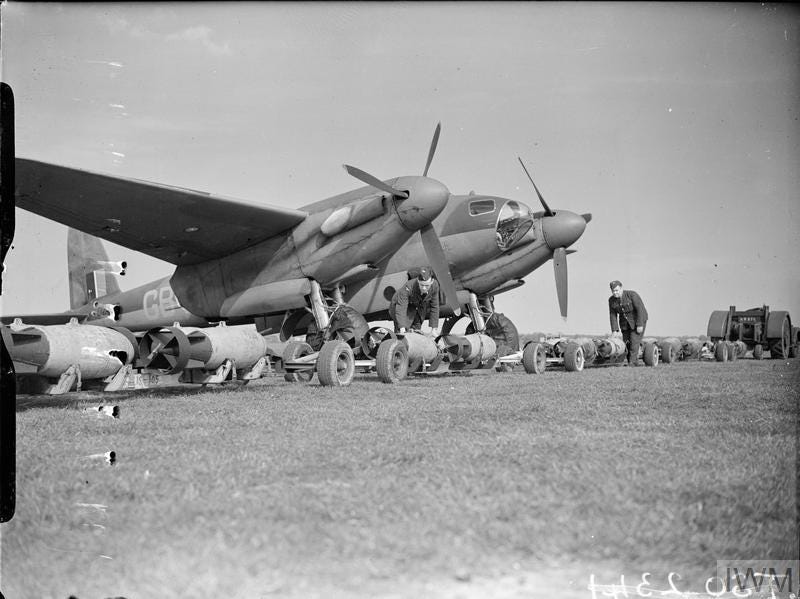
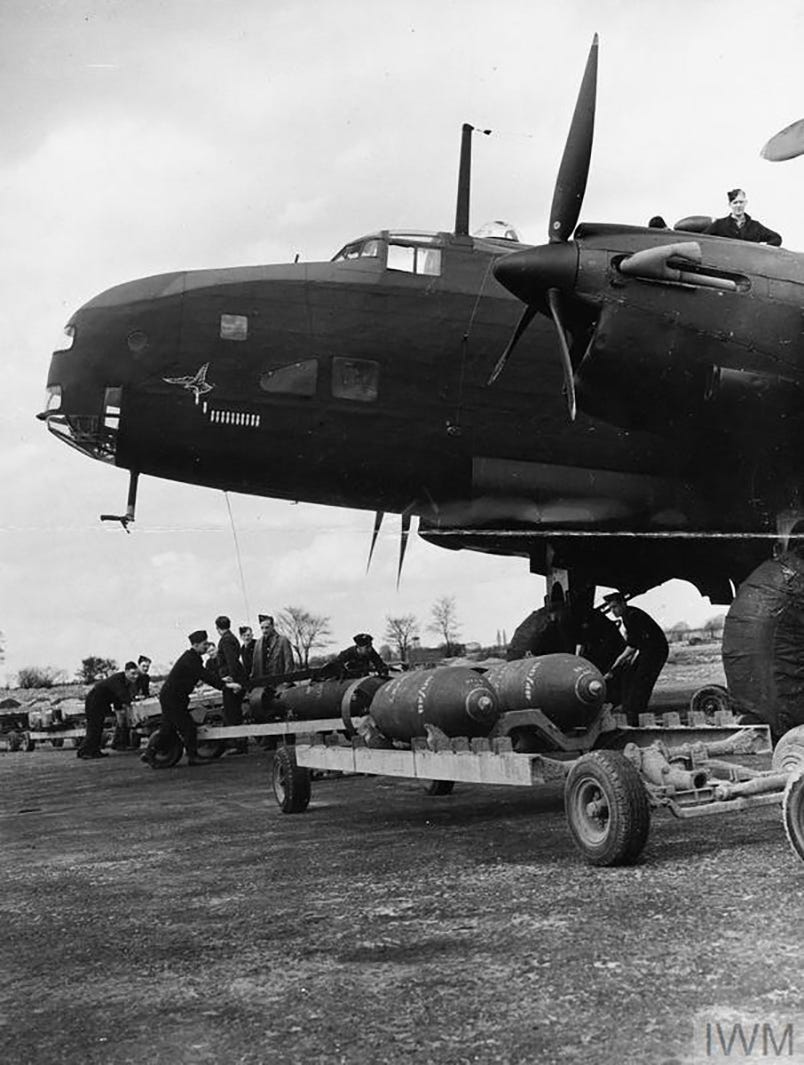
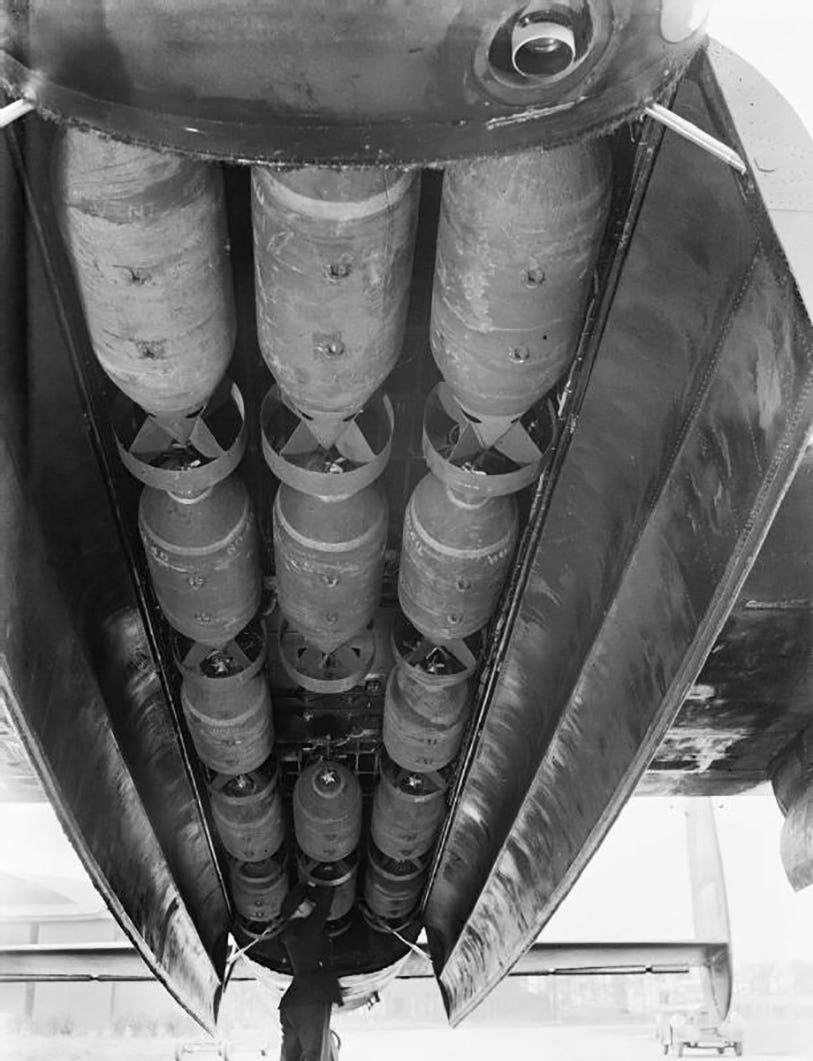
The explosive bombs shook everything around and fill the target with destruction, noise and dust into the streets. It is estimated that during the attacks on the Hauptstadt during the Winter 1943-44 by British Bomber Command, 9,390 Berliners civilians were killed. (Middlebrook, 1985) The city, although severely damaged, resisted and their defences inflicted a severe blow to the enemy campaign, but moral fell to a minimum.
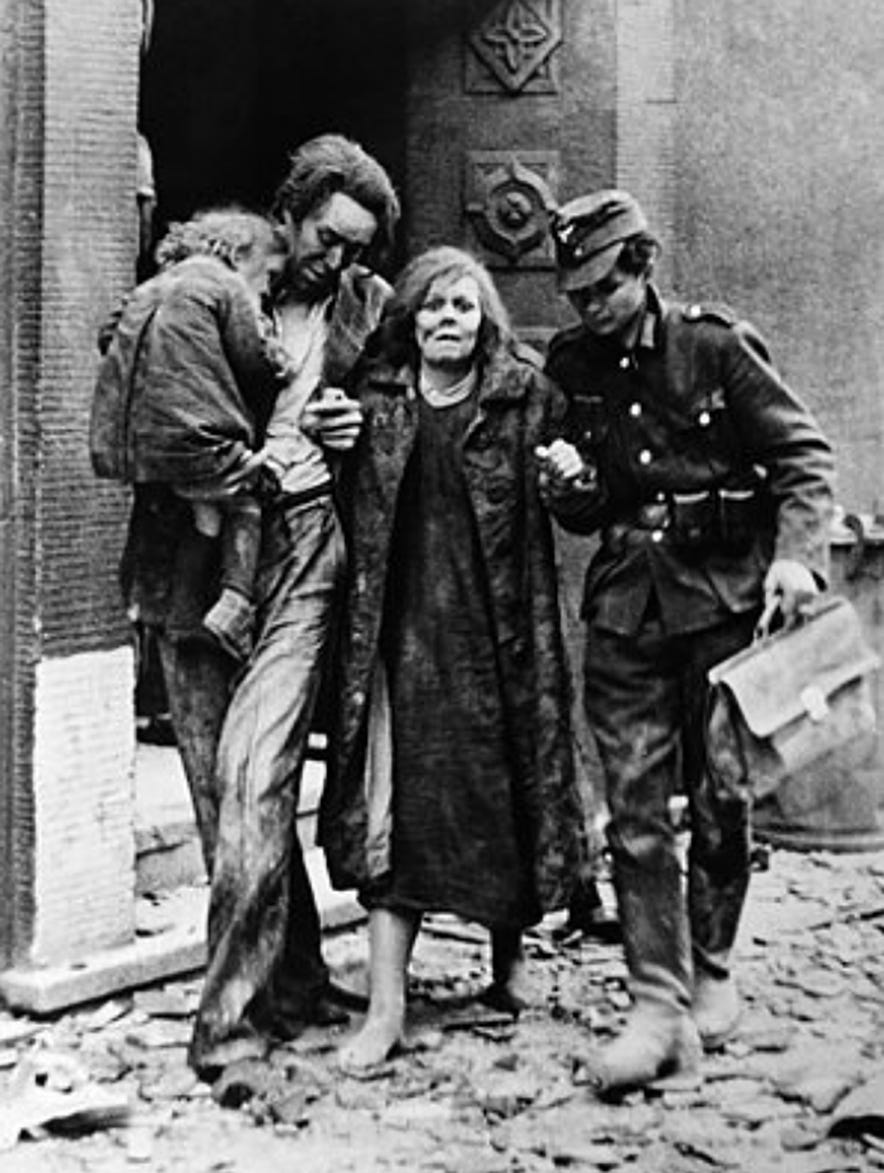
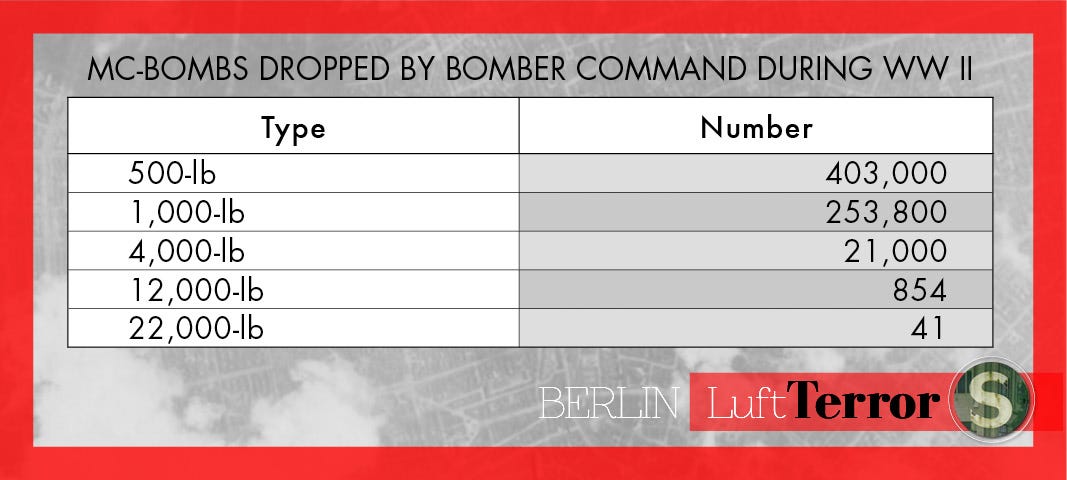
During the war 758,408 tons of high explosive were despatched on Bomber Command aircraft, and would drop some 253,800 1,000-lb MC bombs along with 403,000 500-pounders.
The research done by the USSBS (The United States Strategic Bombing Survey) and John Fahey’s paper indicate that on average, it cost the British Government £1.00 per 23.4-lb of HE bomb weight purchased. At this price, the total value of high explosive bombs despatched to targets by Bomber Command during the strategic air offensive was £72,599,749, but it is important to indicate that these figures were just the guesses of economic experts, due to the impossibility of getting reliable information.
This table shows, by type, the number of MC bombs dropped by RAF Bomber Command during World War 2. Source: Burls, Nina. RAF bombs and bombing. ROYAL AIR FORCE HISTORICAL SOCIETY. Journal 45. 2009.
_______________
Source:
Air Ministry. RAF Armament Volume I: Bombs and Bombing Equipment. 1954
The United States Strategic Bombing Survey. Air Studies Division Report: The Economic Effects of the Air Offensive Against German Cities, USSBS
Boyd, David. 1000lb Medium Capacity Bomb. <http://www.wwiiequipment.com>
Burls, Nina. RAF bombs and bombing. ROYAL AIR FORCE HISTORICAL SOCIETY. Journal 45. 2009
Fahey, John. Britain 1939 – 1945: The economic cost of Strategic Bombing. University of Sidney. 2004
Falconer, John. Bomber Command Handbook. The History Press. 1998
Friedrich, Jörg. Der Brand: Deutschland im Bombenkrieg 1940-1945. Propylaen Verlag, Zweigniederlassung der Ullstein. 2002
Middlebrook, Martin and Everett, Chris. (1985). The Bomber Command War Diaries: An Operational Reference Book. Pen & Sword Aviation. Reprint Edition 2014
The Strategic Air War Against Germany 1939-1945 – The Official Report of the British Bombing Survey Unit (Introduction by Sebastian Cox). Frank Cass. 1998
Thank you for reading Berlin Bombenkrieg by Pablo López Ruiz. Please subscribe, if you haven’t yet, to comment, follow and share. All images used for non profit / educational purposes.