


26 million of German people lost their homes during the war, just in Berlin 600,000 apartments were destroyed, half of all houses were damaged and around a third uninhabitable, as much as 16 km² of the city was simply rubble. When the war came to an end in May 1945, the ‘Big City’ had become a sea of destruction, death and debris. One of the biggest players in this panorama were the ‘Cookies’ or British HC-bombs.
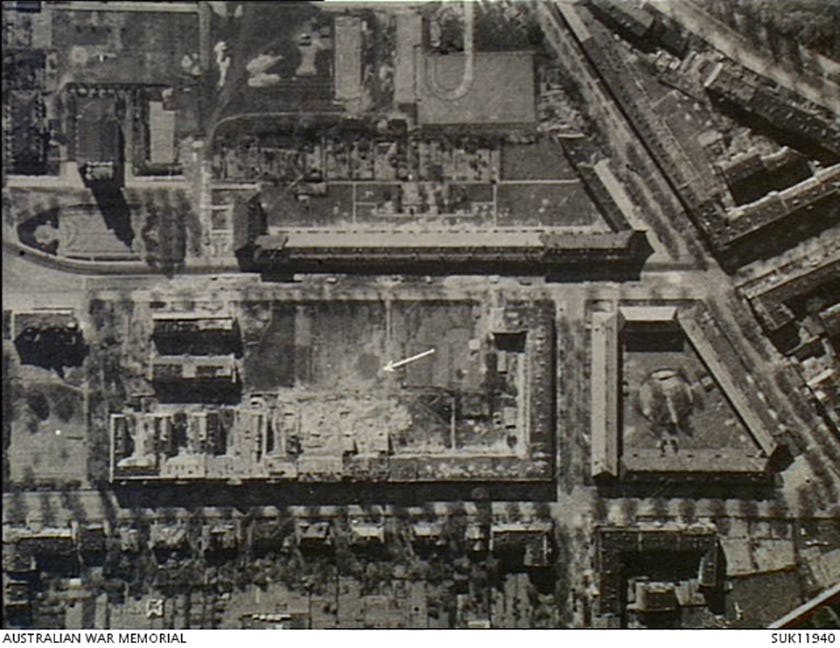
July 1945, work done by ‘Blockbusters’ and incendiaries: roofless houses seen in this aerial view of the bombed-out Nollendorfkiez (first picture) and Lichtenberg (second one) districts after the war shows clearly the devastating effects of the Allied weapons on the German capital, maximized by these bombs explosion in built-up areas which obtain a huge ‘blast-effect’. Later, incendiaries burnt out everything around, sometimes creating a deadly ‘fire-storm’ as happened in Hamburg.
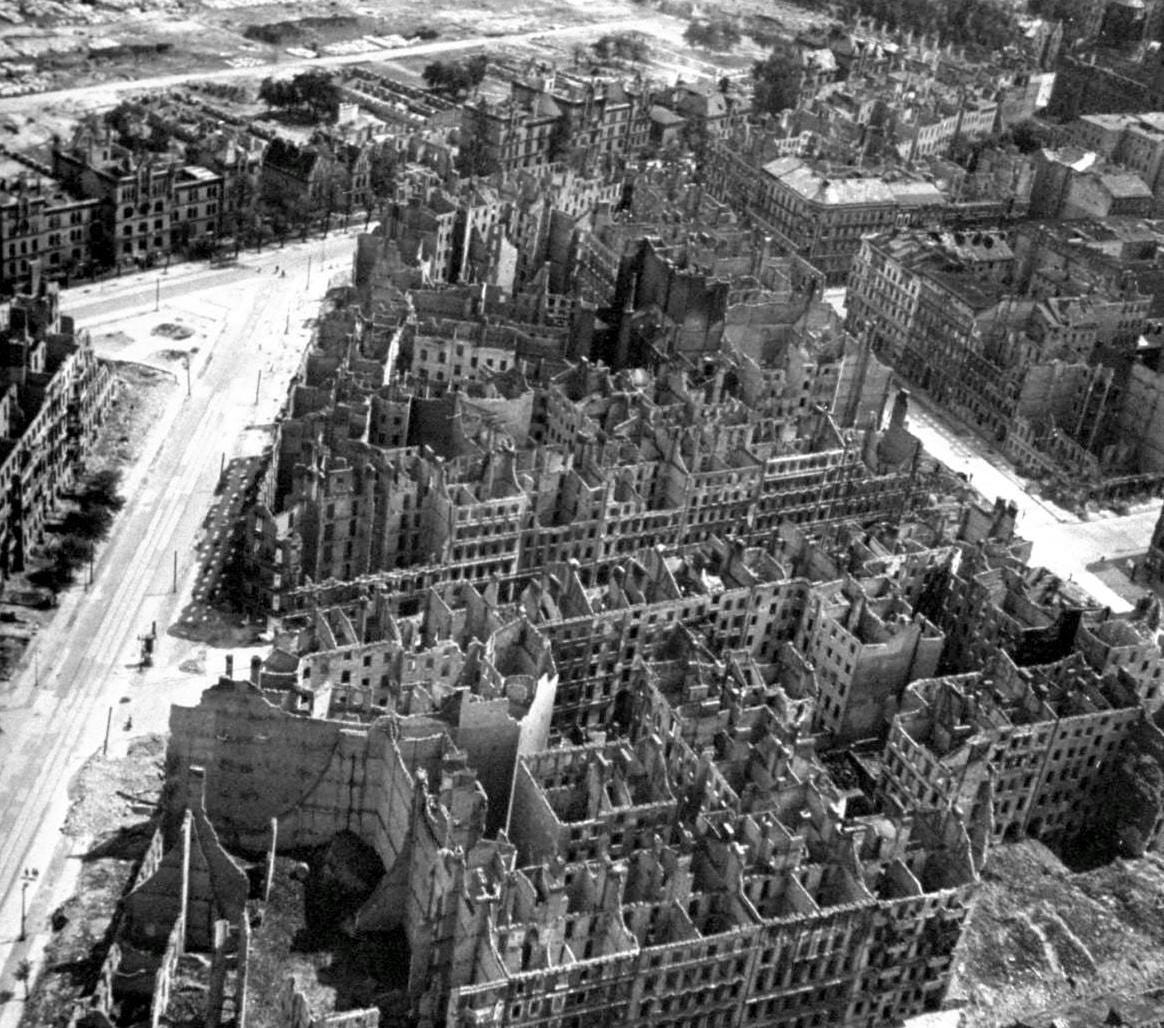
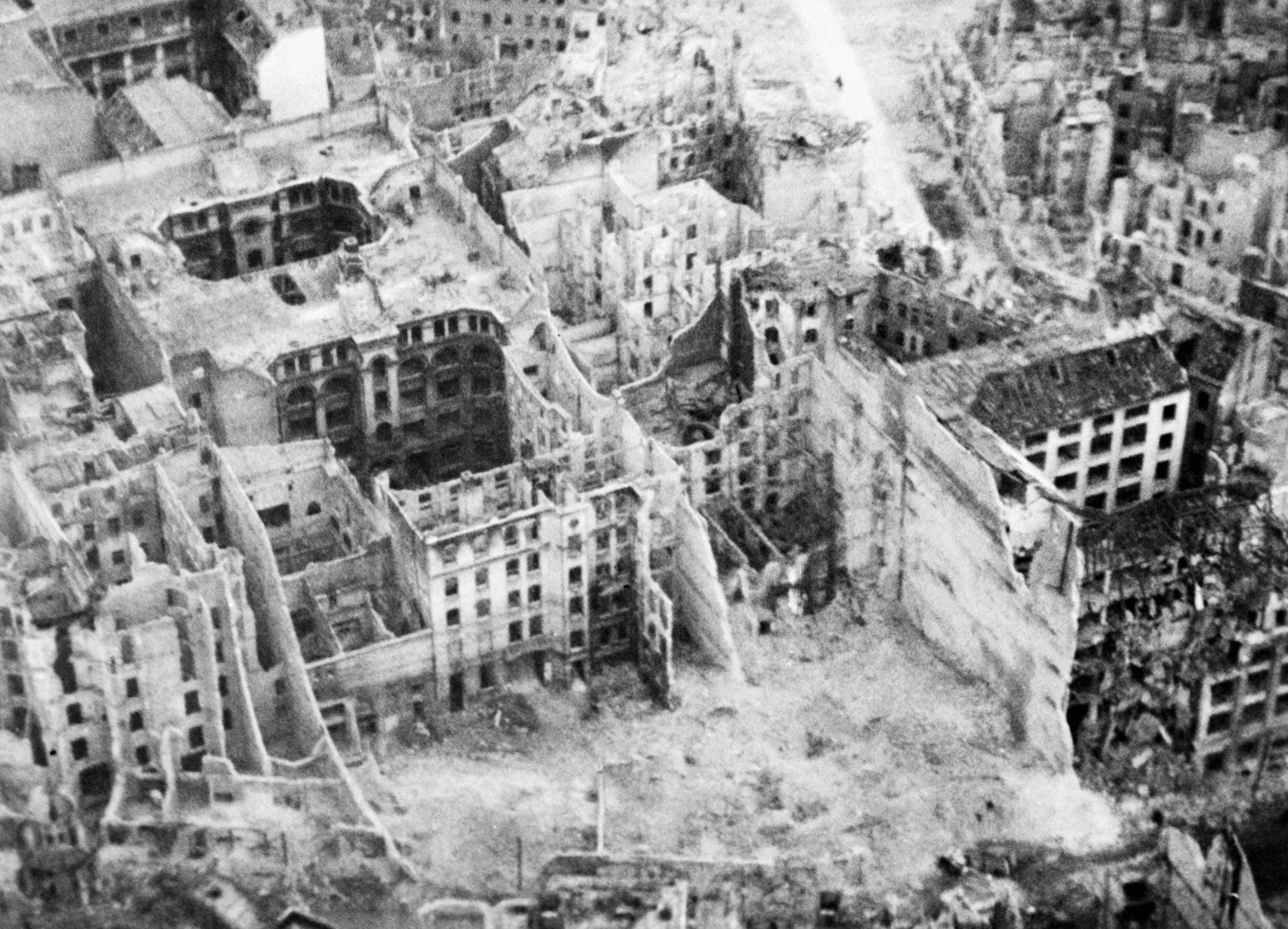
As we have seen before, ‘Blockbusters’ or High Capacity-bombs were first used on the night of 31 March/1 April 1941 in an attack on Emden when six Wellington of RAF No 149 Squadron were dispatched to drop them.
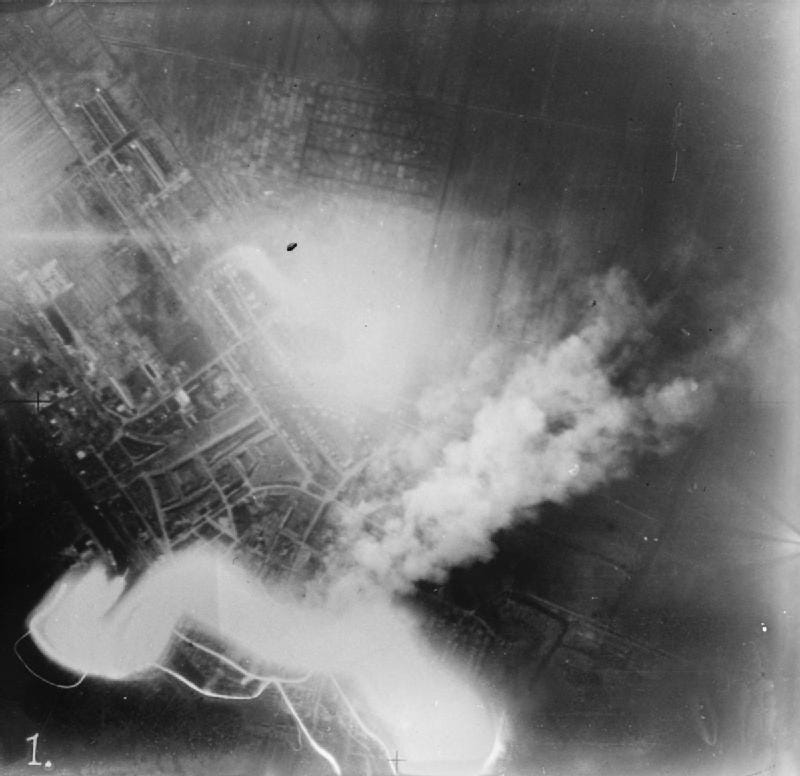
These bombs were larger than any previously dropped by RAF Bomber Command, but can be used by medium bombers on service, namely the Vickers Wellington. The introduction of the new four-engined heavy bombers during 1941-42 just added even more tonnage of bombs carried on every trip to Germany.
First appearance of these huge weapons against the Reich’s capital was in September-November 1941 during the final raids of the first phase of RAF’s offensive against Berlin. Following a November raid, aerial reconnaissance shown a large area in the Lichtenberg district totally disintegrated. In one of those attacks, one ‘blockbuster’ dropped in the Nordhaven sector killed twenty people on the street and many more in cellars by the effect of the blast. Mass use of HCs on Berlin had to wait nearly two years, on the night 1/2 March 1943, the worst raid suffered by the city during the first part of the war, and testimonies from Berliners reported huge fires never experienced before that night. One eyewitness experienced the blast of one of those weapons that night in the south-western suburbs: ‘a powerful, thunderous explosion…with a pressure wave that I had never experienced before, and which made me feel as a tiny ant.’ (Moorhouse, 2011.)
Also, the psychological effect of these weapons was tremendous, as we can read in this extract from RAF night operations (Bowman, M. 2015.): (…) “When it exploded [these HC-bombs], ‘masses of debris’ said the official communiqué, ‘flying through the air were outlined against the glow of fires and the results appeared to be devastating. Houses took to the air’ said the pilot who dropped it (…). In November 1941 there were reports of the terrible effects of these bombs in Berlin and of the fear they inspired; when one dropped in the Nordhaven district twenty people were found dead in the street and many people actually sheltering in cellar were killed by the effect of the blast alone”.
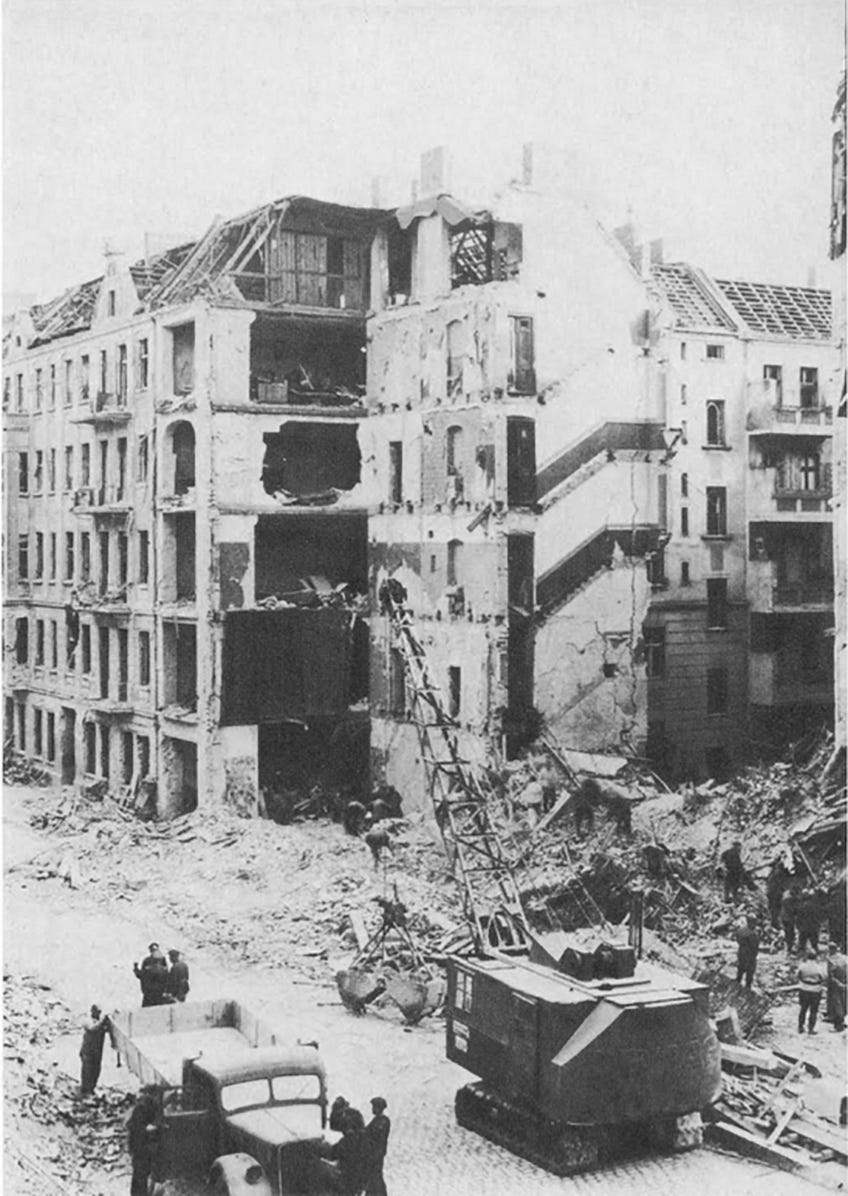
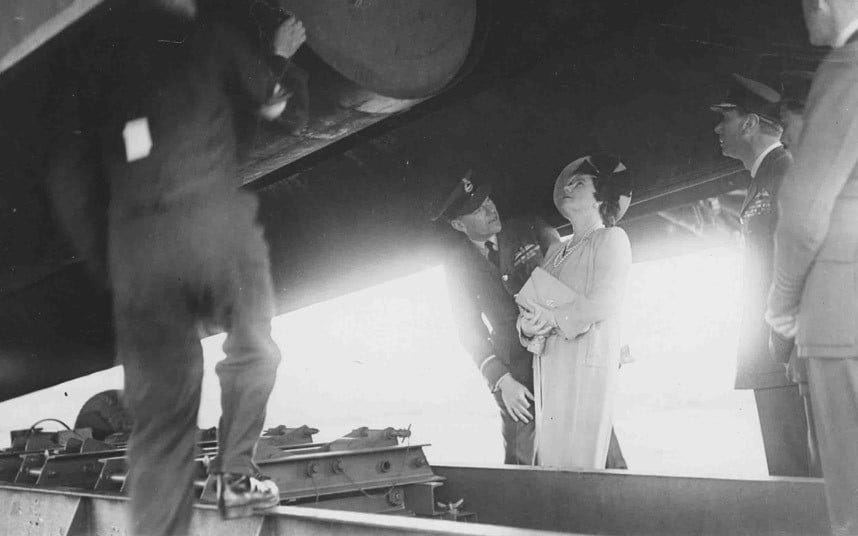
The lethality of the ‘Blockbusters’ was well-known and very popular at the time. The efficiency of the new bombs was shown by many photographic reconnaissance missions, evidencing devastated areas and completely roofless buildings. HC-bombs were usually dropped by the bombers comprising the initial waves of the attack, as they had to “make room” for the incendiary devices carried by the following bomber stream. British typical bomb-load for an ‘area-target’ bomber consisted of a 4,000-lb HC and 12 SBCs, these ones containing 2,832 of the 4-lb type incendiary bomb.
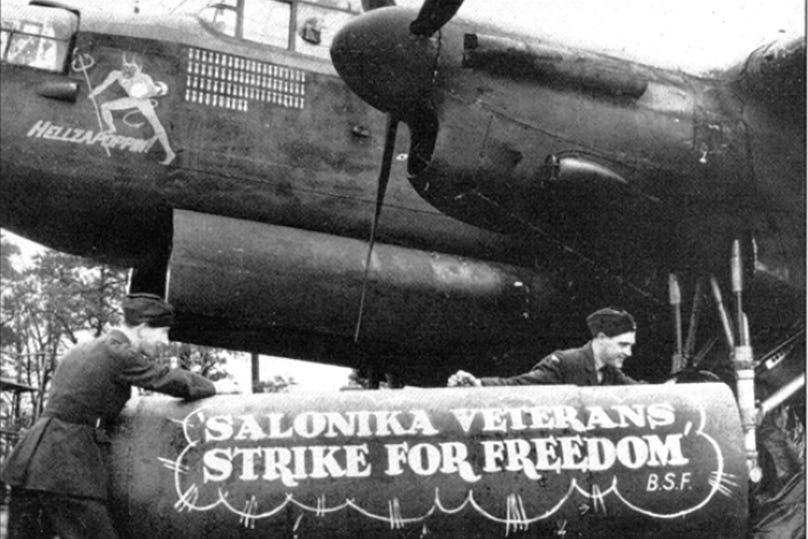
During the ‘Battle of Berlin’ (August 1943–March 1944) RAF Bomber Command dropped 6,811 of the 4,000-pounder version and 53 of the even larger 8,000-lb ‘blockbusters’, in nineteen major raids on the capital.
Some sources say that five hundred people were killed when a 4,000-pounder hit a public shelter in the basement of the Joachimstal Schule on November 22, 1943. The psychological effect and lethality of the ‘Blockbusters’ reached even their ‘droppers’: this is an extract from the memories of Sergeant O Roberts (Prisoner of War), a British gunner in No 49 Sqn shot down over Berlin on the night of 2/3 December 1943: “(…) I stayed in this hospital [the Hermann Göring Luftwaffe Hospital at Unter den Linden] for a further two weeks, and was there on the night of 16 December when Bomber Command paid another visit to Berlin. The sirens sounded and I was taken to the air-raid shelter with the other patients. I was sitting on a bunk bed in the shelter when a ‘Cookie’ dropped outside. It didn’t whistle; it rattled on the way down and shook all the building when it exploded.”
First use of those larger versions of the blast-bomb on or near Berlin was during this campaign, on the night of 2/3 December 1943 when six 8,000-pounders were dropped, carried in the extra-large bomb-bays of the Lancasters Mk II of No 115 Squadron.
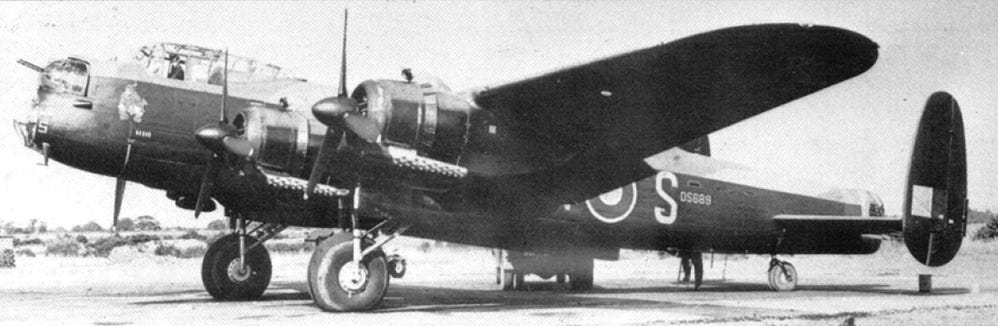
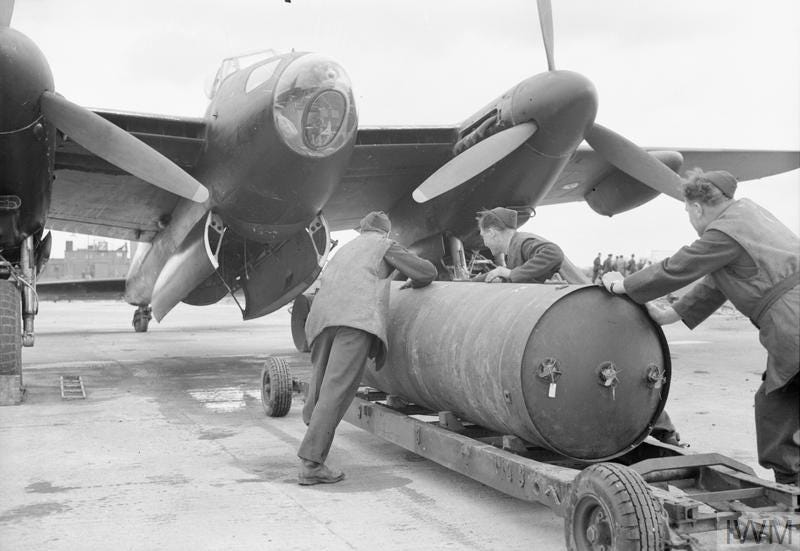
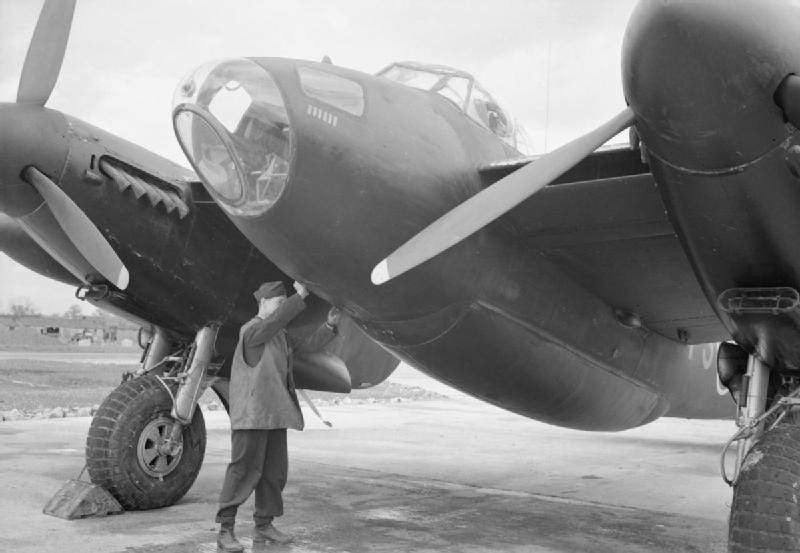
Another one of RAF’s ‘Cookies’ main droppers on Berlin was the de Havilland Mosquito, the twin-engined bomber, flying alone in the dark to deliver the bomb thanks to her fast-flying and equipped with navigation and radar aids. It was used during the first raids as a spearhead of the main bombing force, and later, from March 1944 onwards, acting as a ‘solo’ over the ‘Big City’ in nuisance raids. It could be said that every night from then until the end of the war at least one blast-bomb was released on the capital by a Mosquito, a true nightmare for Berliners.
First time for a Mosquito raid was on February 23/24th 1944, when a No 692 aircraft dropped one during the Dusseldorf raid, and ‘Cookies’ were dropped for the first time on Berlin on 13/14 April, again by a 692 Sqn crew. This squadron was part of the Light Night Striking Force of No 8 (PFF) Group [the Pathfinders], which specialized in these fast, high-flying night raids on Berlin during 1944-45. The specially-modified Mosquitoes were fitted with bulged bomb-bays and more powerful engines in order to accommodate the large ‘Cookies’. Each aircraft carried two 50-gallon drop tanks and a 4,000-lb bomb. Its crews dubbed these missions the ‘Berlin Express’.
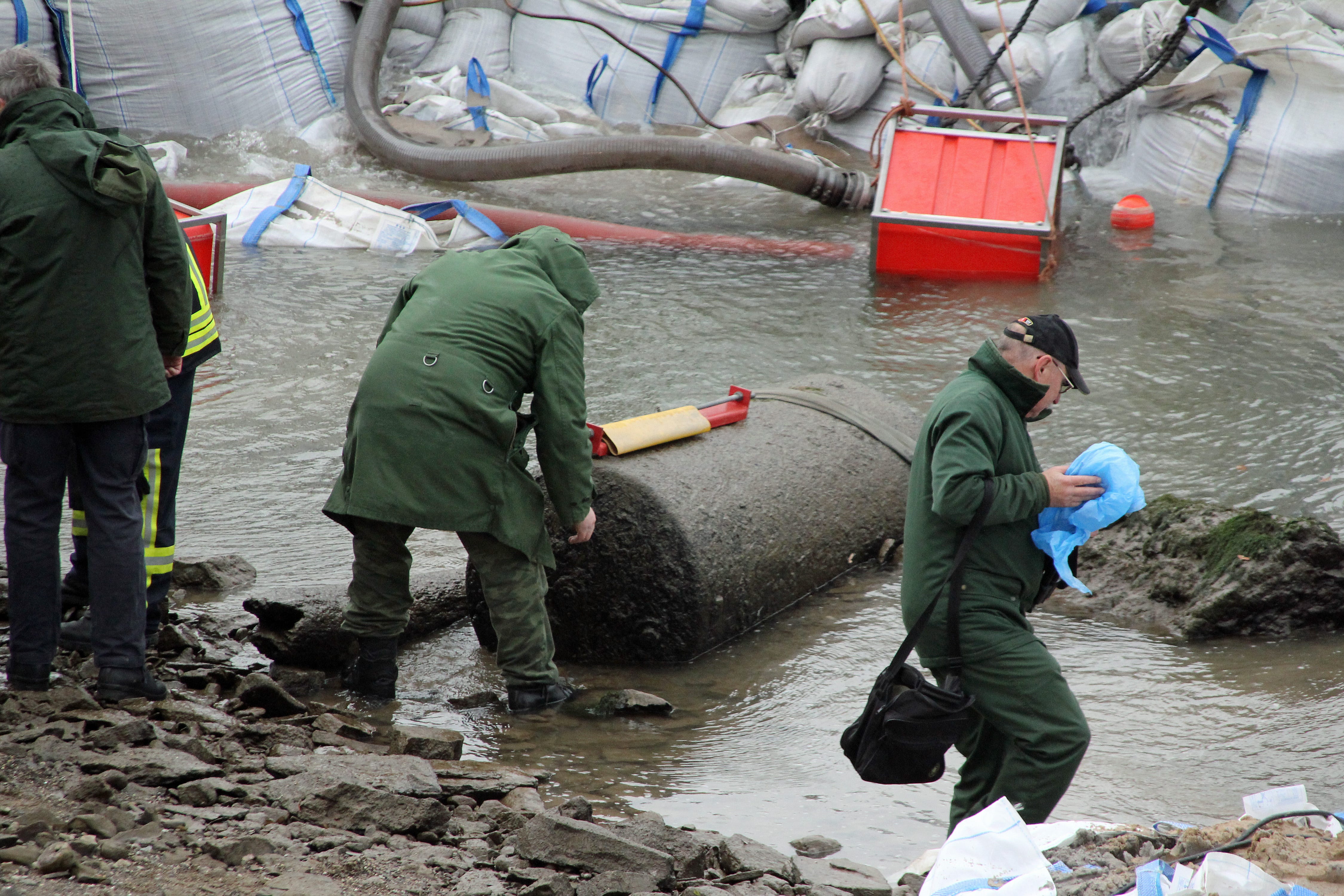
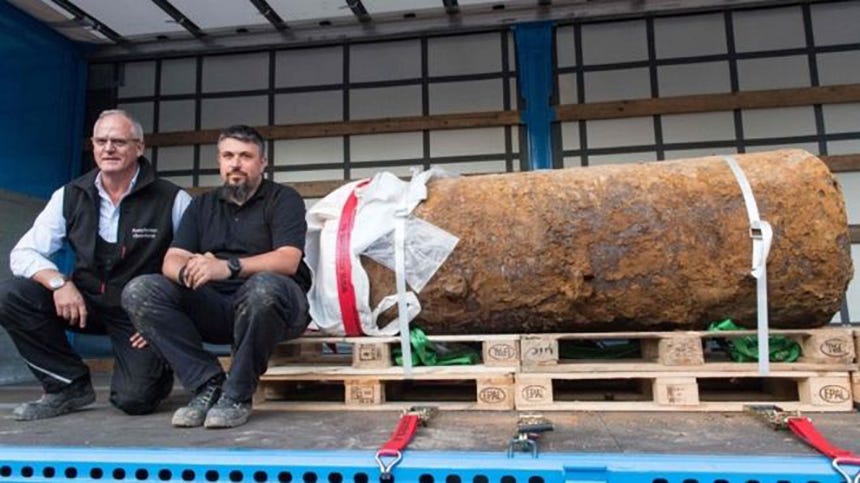
The legacy of these bombs in Germany is tangible yet. As we can see in this image, taken in 2011 in Koblenz, British 4,000-lb ‘Blockbusters’ are still a truly live-danger nowadays for German people. In the second one, taken in 2017, about 60,000 people were ordered to leave in what was Germany’s biggest evacuation since the war because an unexploded ‘Cookie’ was discovered in Frankfurt.
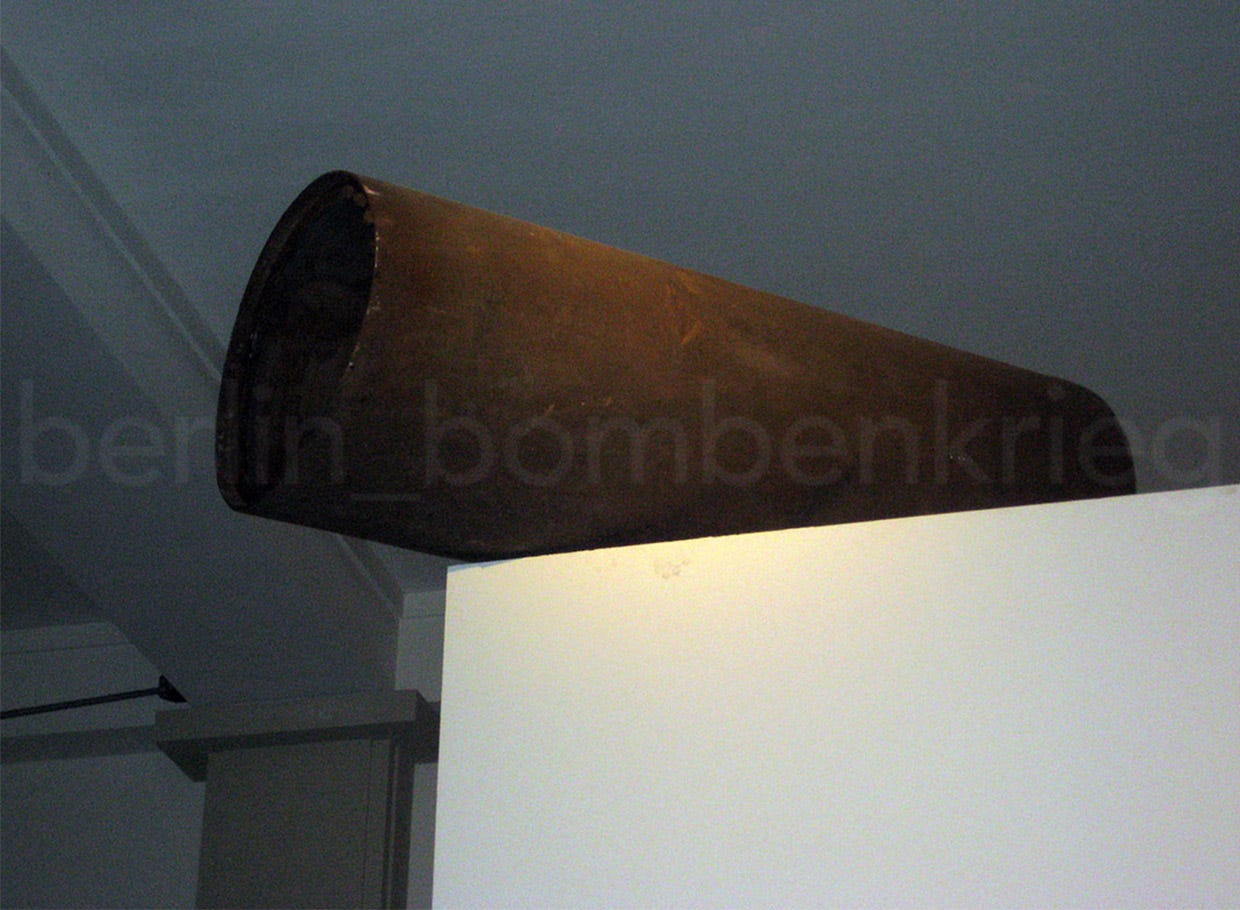
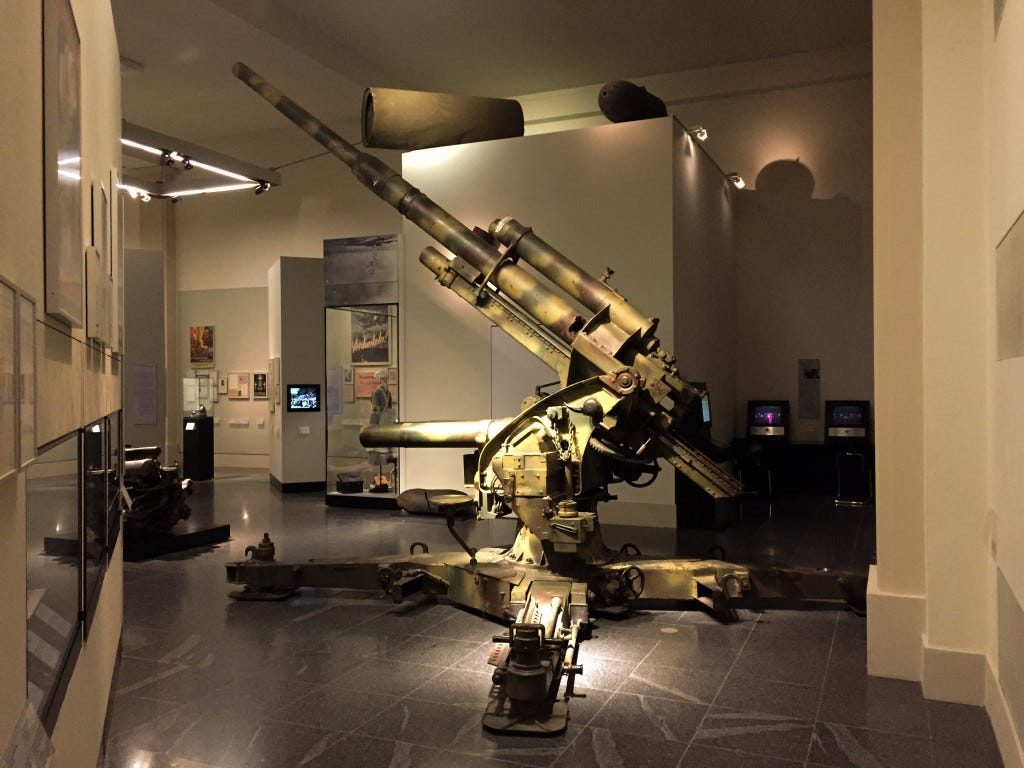
Today, we can see the remains of a 4,000-lb bomb with part of its steel case, on display at the Deutsches Historisches Museum in Berlin-Mitte, Inventarnr. W 91/6.
_______________
Sources and Bibliography:
Airminded. Airpower and British society, 1908-1941. The first Blockbuster. <https://airminded.org/2012/11/14/the-first-blockbuster/>
Air Ministry. RAF Armament Volume I: Bombs and Bombing Equipment. 1954
The United States Strategic Bombing Survey. Air Studies Division Report: The Economic Effects of the Air Offensive Against German Cities, USSBS
Boyd, David. 4000 lb High Capacity Bomb. <http://www.wwiiequipment.com>
Burls, Nina. RAF bombs and bombing. ROYAL AIR FORCE HISTORICAL SOCIETY. Journal 45. 2009
Fahey, John. Britain 1939 – 1945: The economic cost of Strategic Bombing. University of Sidney. 2004
Falconer, John. Bomber Command Handbook. The History Press. 1998
Lake, Jon. Lancaster Squadrons 1944–45. Osprey Publishing. 2002
Middlebrook, Martin. The Berlin raids. RAF Bomber Command Winter 1943-44. Cassell & Co. 1988
Moorhouse, Roger. Berlin at war. Life and death in Hitler’s capital, 1939-45. Vintage Books, London, 2011
Overy, Richard. The Bombing War: Europe, 1939-1945. Allen Lane. 2013
The Strategic Air War Against Germany 1939-1945 – The Official Report of the British Bombing Survey Unit (Introduction by Sebastian Cox). Frank Cass, 1998
Worral, Richard. BATTLE OF BERLIN 1943–44. Bomber Harris’ gamble to end the war. Osprey Publishing, 2019
Thank you for reading Berlin Bombenkrieg by Pablo López Ruiz. Please subscribe, if you haven’t yet, to comment, follow and share. All images used for non profit / educational purposes.