


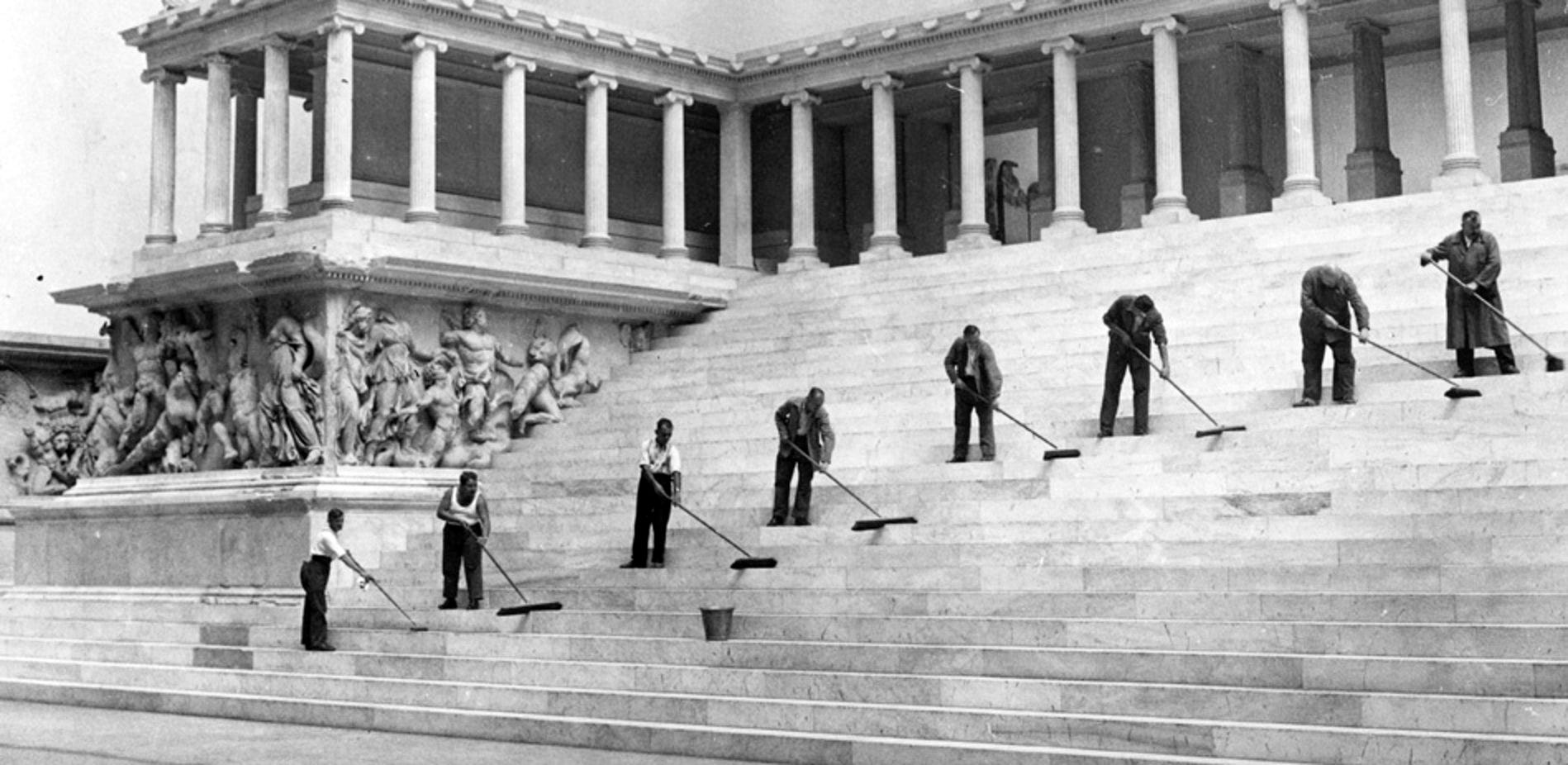
If there is a museum of the many that Berlin has that dazzles all its visitors and it is unique in transferring the modern visitor to the Ancient world and mythology, that is Pergamon. From its discovery during the 19th century in Turkey to the German reunification more than a hundred years later, the museum and the altar on display has been a central figure of the city, also during the dark years when NS-authorities ruled the country and lead their compatriots to war and defeat.
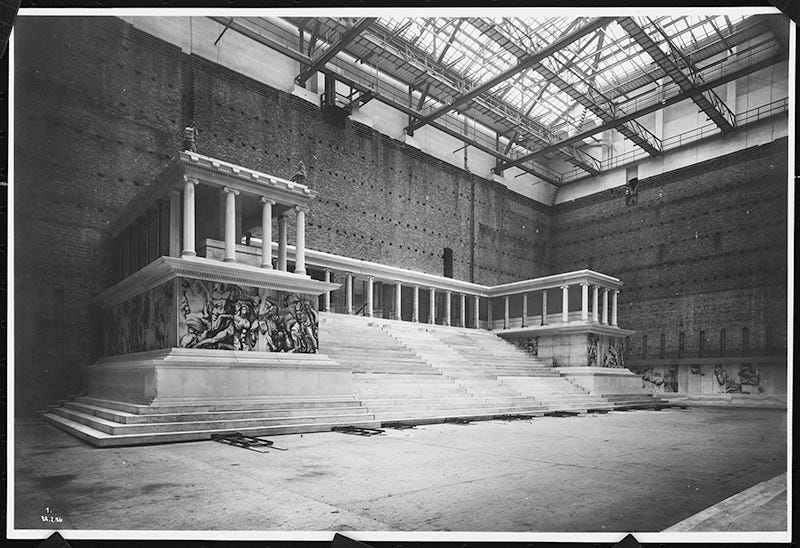
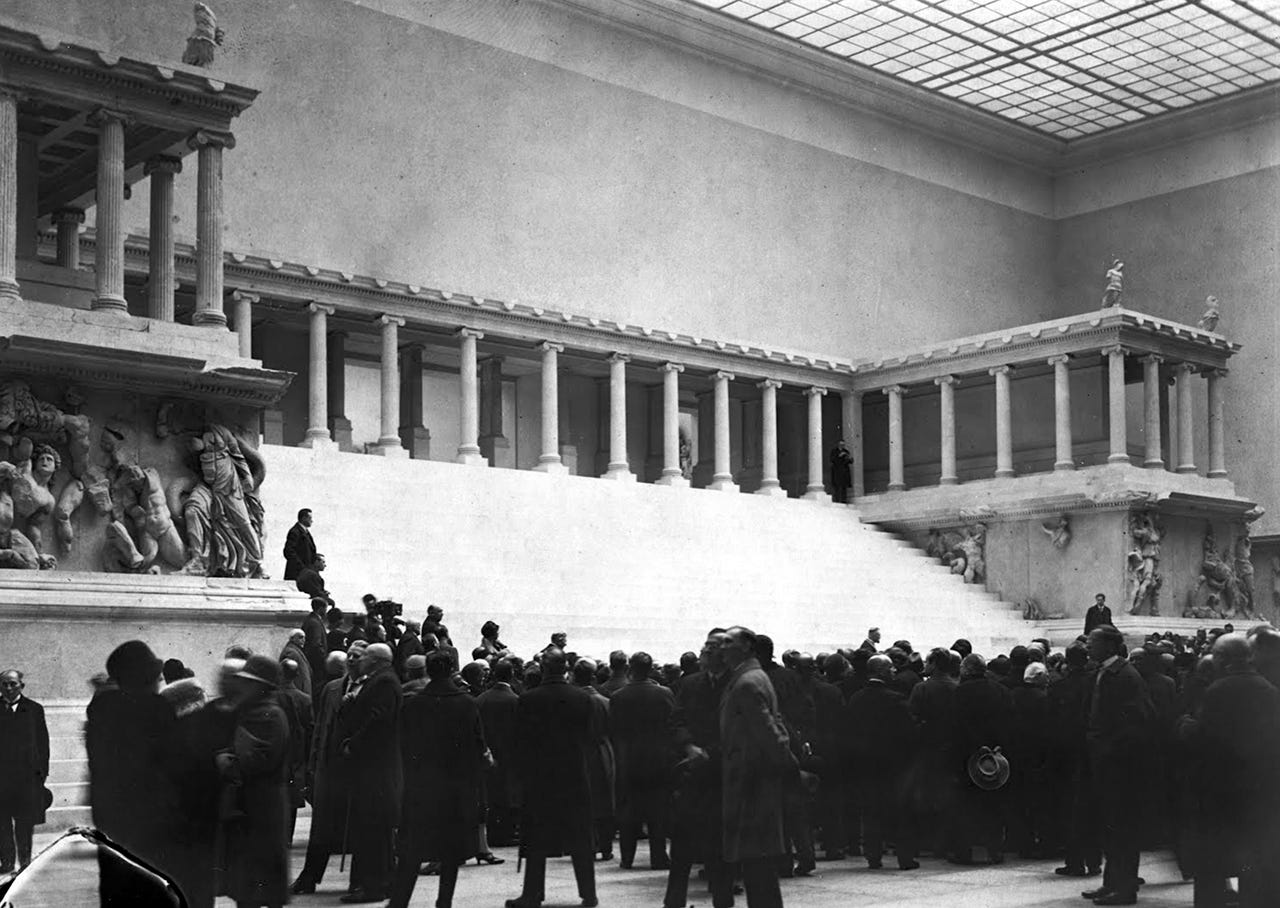
The monumental altar dedicated to Zeus was discovered in 1878 by Carl Humman, a German engineer and archaeologist, during his work at the Greek ancient centre of Pergamon (Turkey), a powerful city during the first half of the 2nd century BC. Archaeologist Alexander Conze joined him and started a deeper excavation where many parts of the ruined Acropolis were excavated. The reliefs and sculptures found were taken to Berlin with the Ottoman government permission -and a payment of 20,000 goldmarks after Bismarck mediation-, where a group of experts began to reassemble the many fragments of the complex, one of the greatest archaeological treasures of the Hellenistic period (a 3D reconstruction model of the altar and friezes can be seen at the museum website).
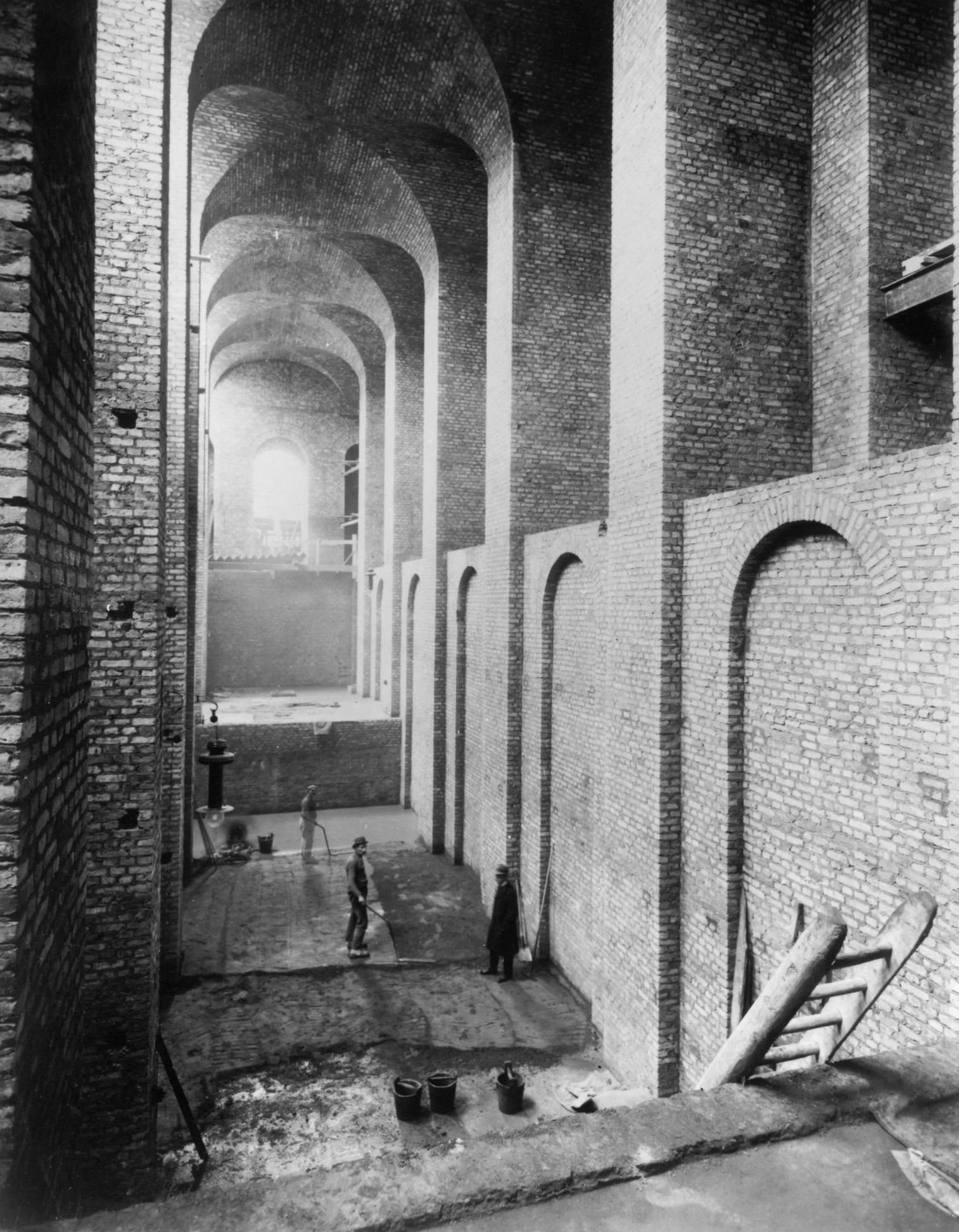
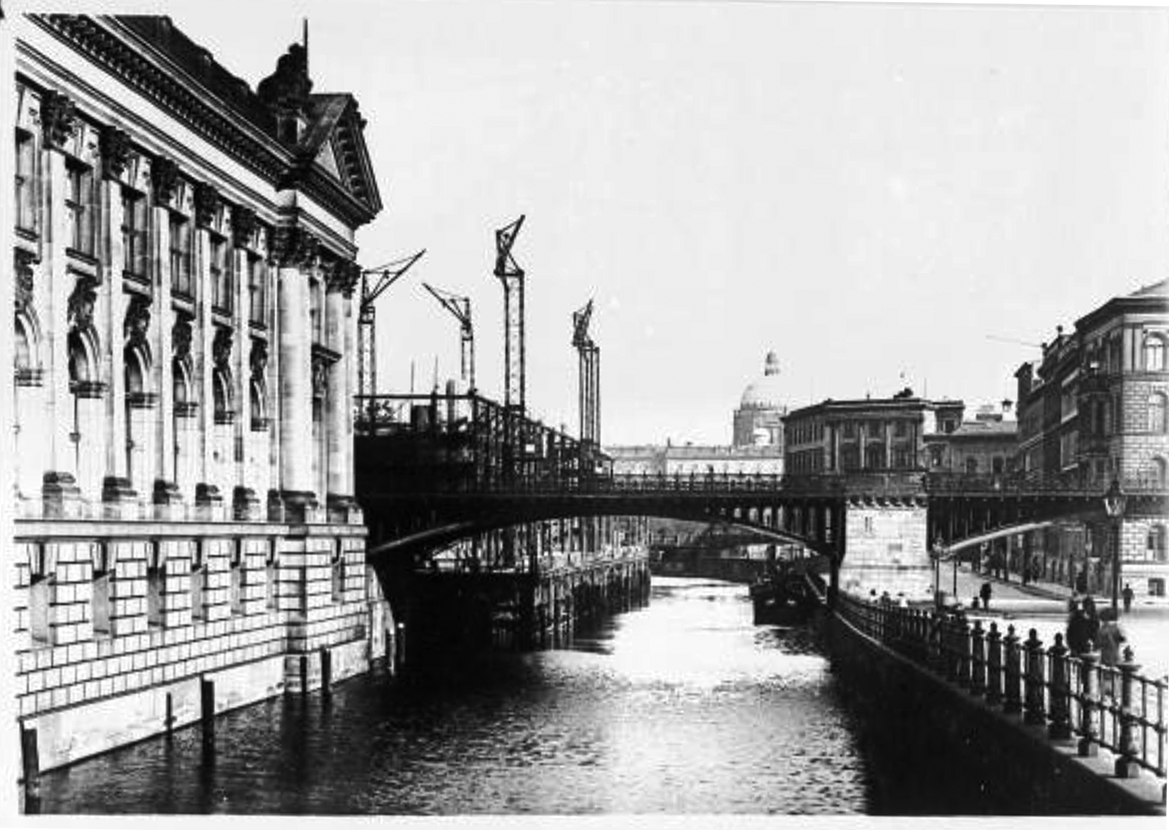
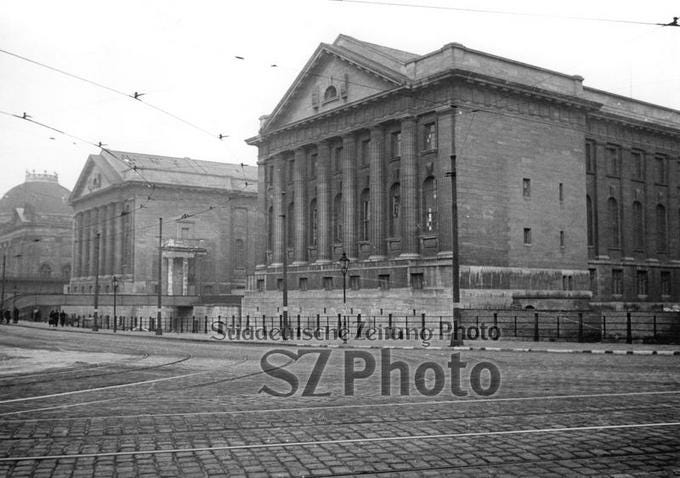
A new museum, designed by Fritz Wolff, was erected and opened in 1901 next to the Stadtbahn at the Museumsinsel to house the newly discovered artifacts. From the beginning, this museum resulted too small and was considered as ‘temporary’ with a planned larger new building to be built at the same location. This early museum was closed and demolished in 1908 due to deteriorating foundation and its sculptures were housed in the eastern columned hall of the adjacent Neues Museum.
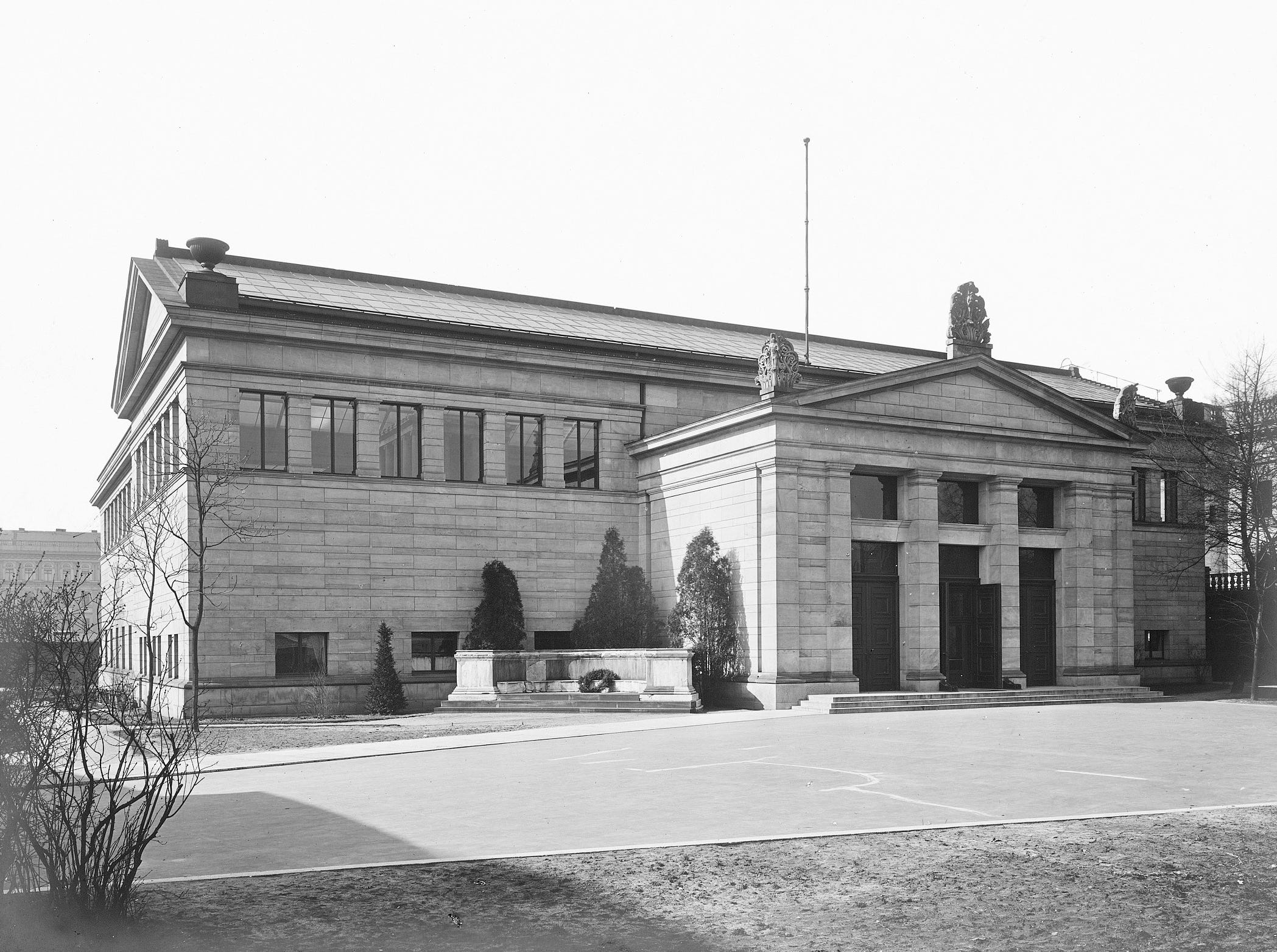
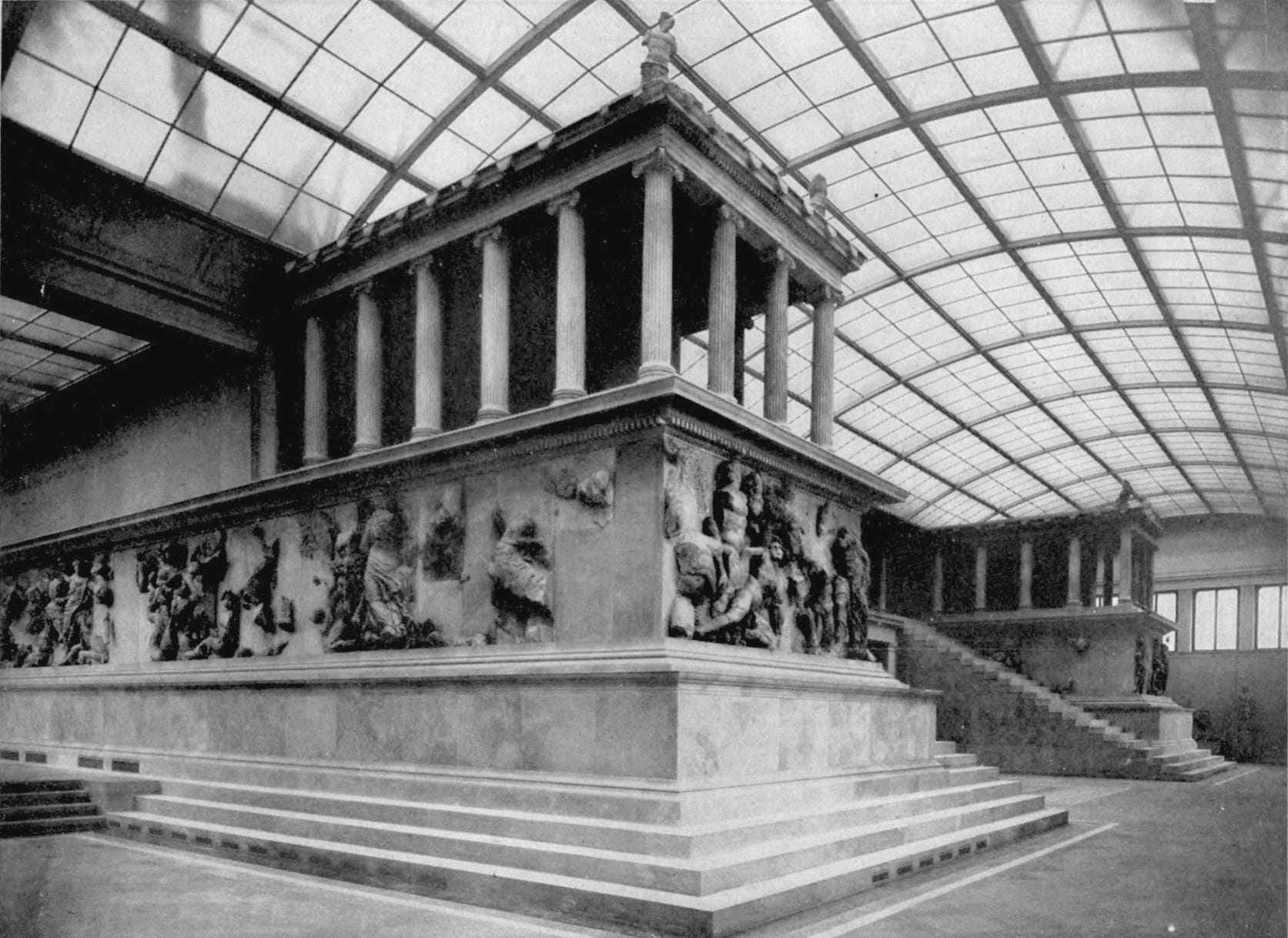
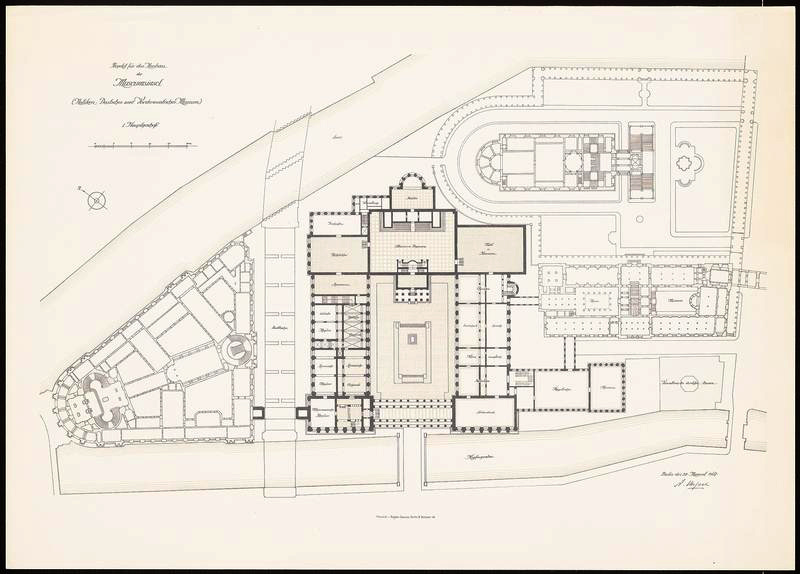
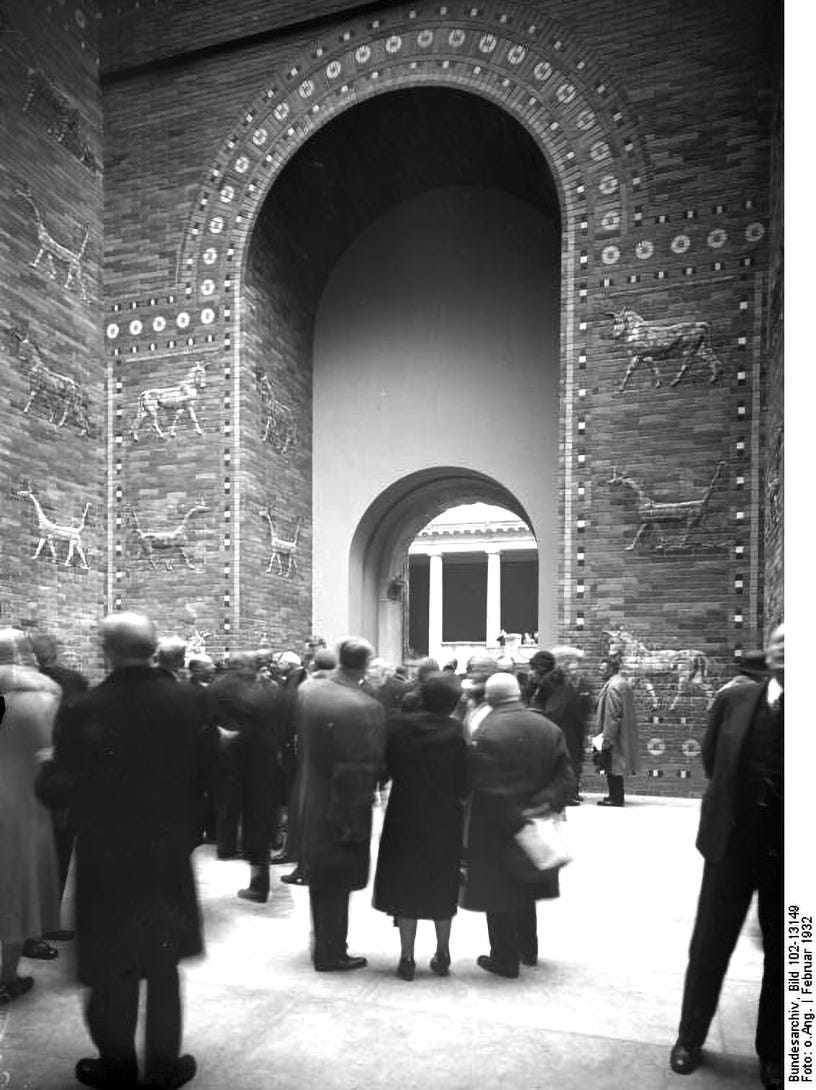
A new larger three-wing building in Neo-classical forms was proposed by art curator Wilhelm von Bode, managing director of the Kaiser-Friedrich-Museum at the time, Alfred Messel and Ludwig Hoffmann, to accommodate the new artifacts and objects discovered on the excavations in Middle East. It was planned to be a four museums building: a Middle East museum with Assyrian, Hittite, Sumerian, Babylonian and Persian objects (Vorderasiatisches Museum), a German art painting and sculpture gallery (the Deutsches Museum), an Islamic culture and art room, and the Pergamon Hall for the reconstructed Greek altar discovered by Humann and the Market Gate of Miletus. Only the last carried the name Pergamonmuseum actually but it remained for the whole complex during the years. Many objects came from the overcrowded rooms of the Altes Museum.
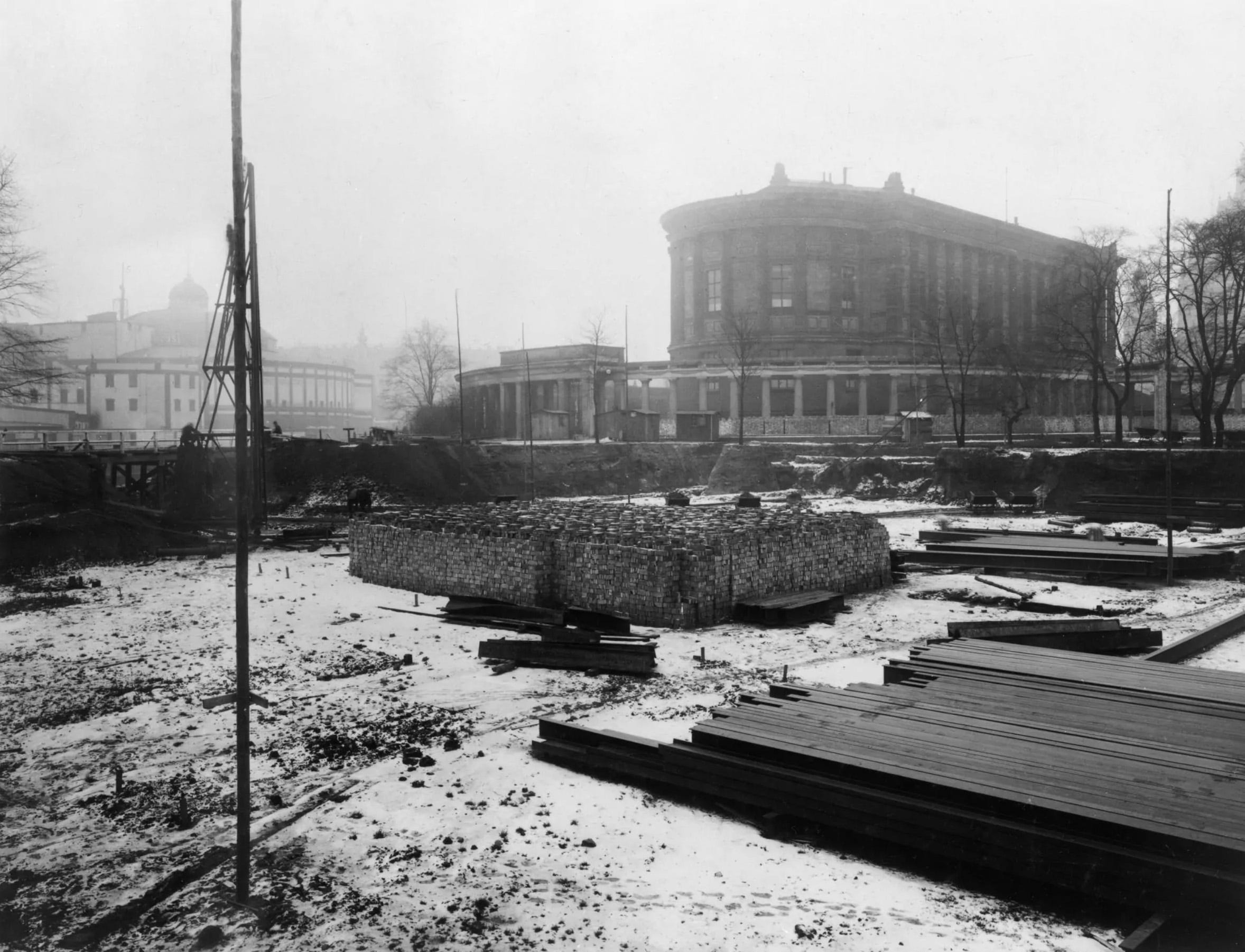
Construction work began in 1910 but First World War outbreak in 1914, the following German crisis and the inflation during 1922/1923 delayed working progress. It was not until 1930 that the complex could be inaugurated but some elements of the building remained unfinished and other never built.
Pergamon under the Third Reich
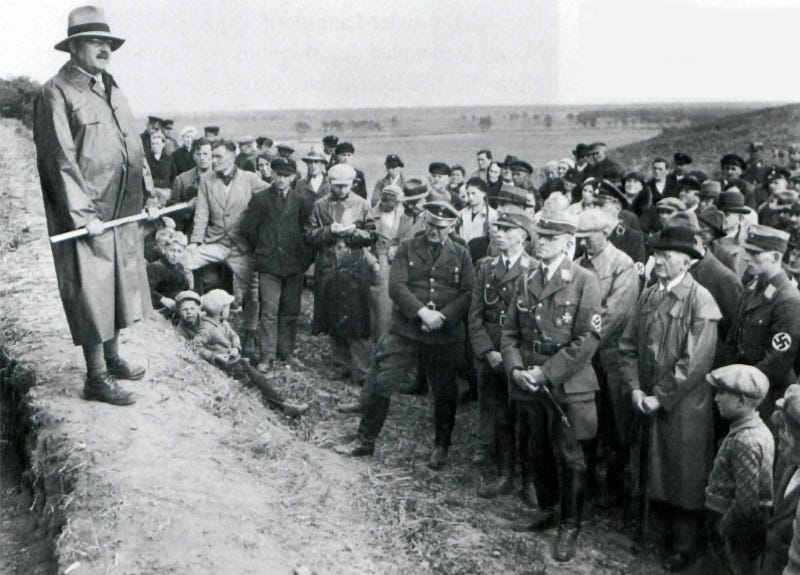
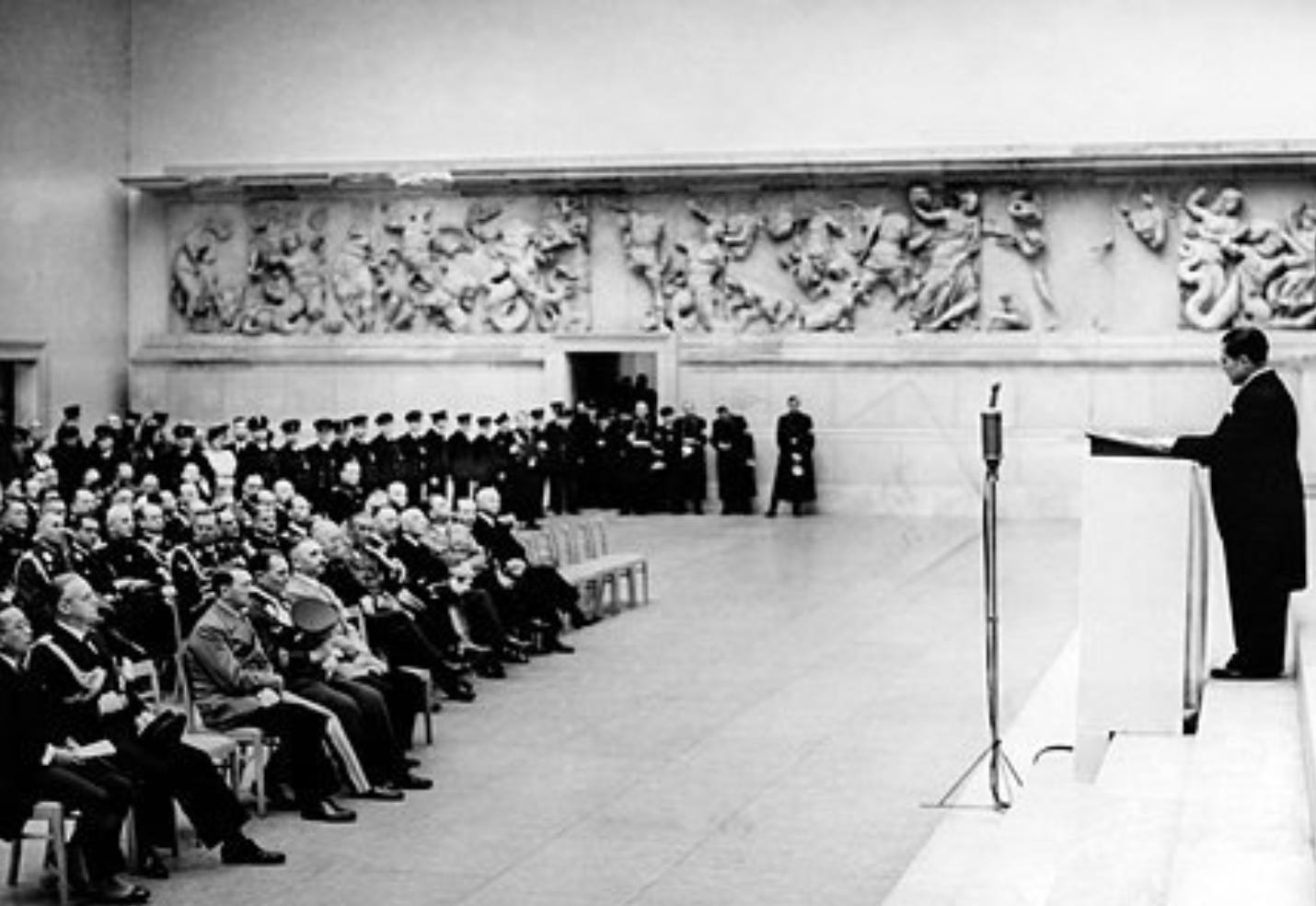
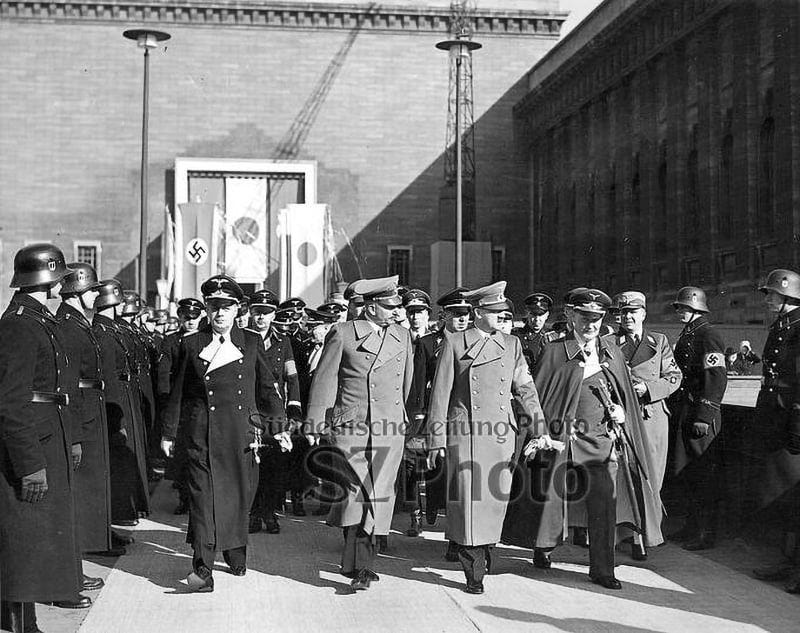
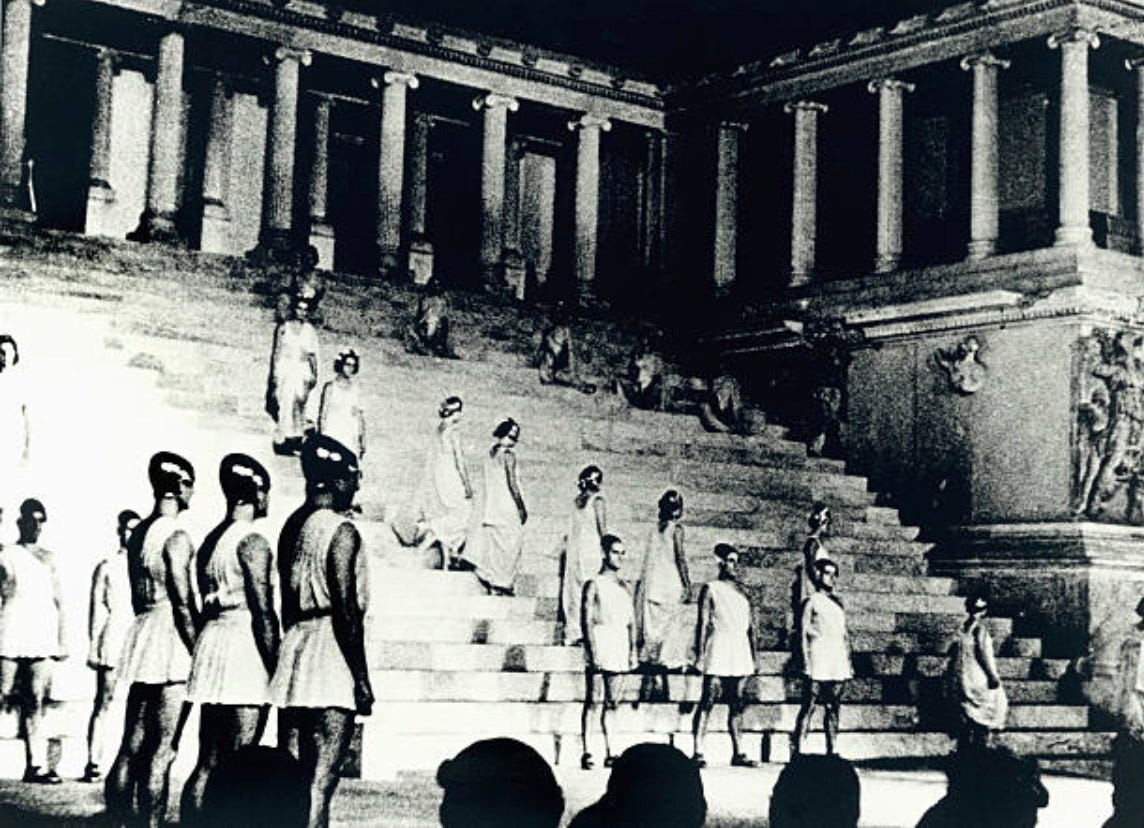
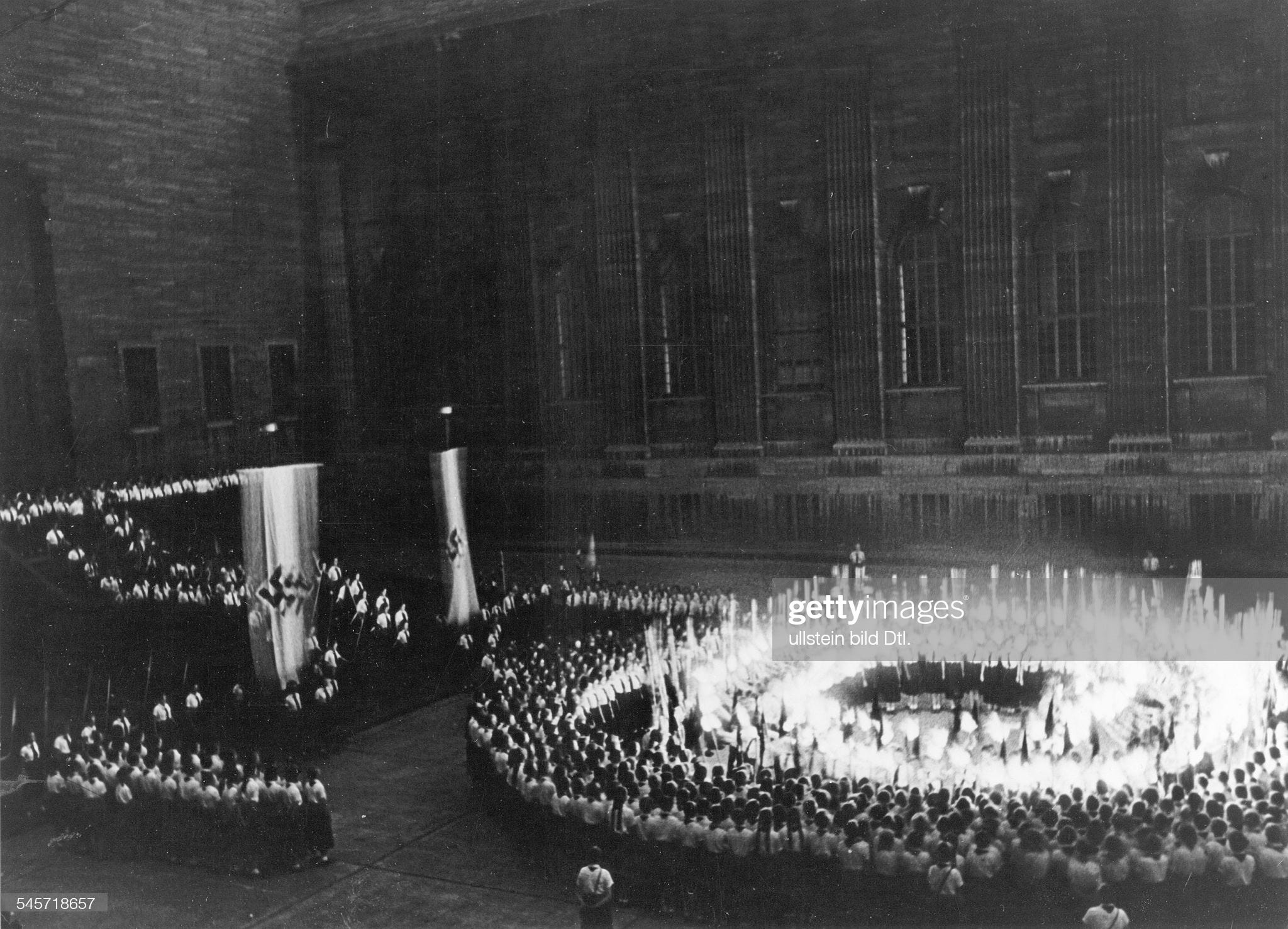
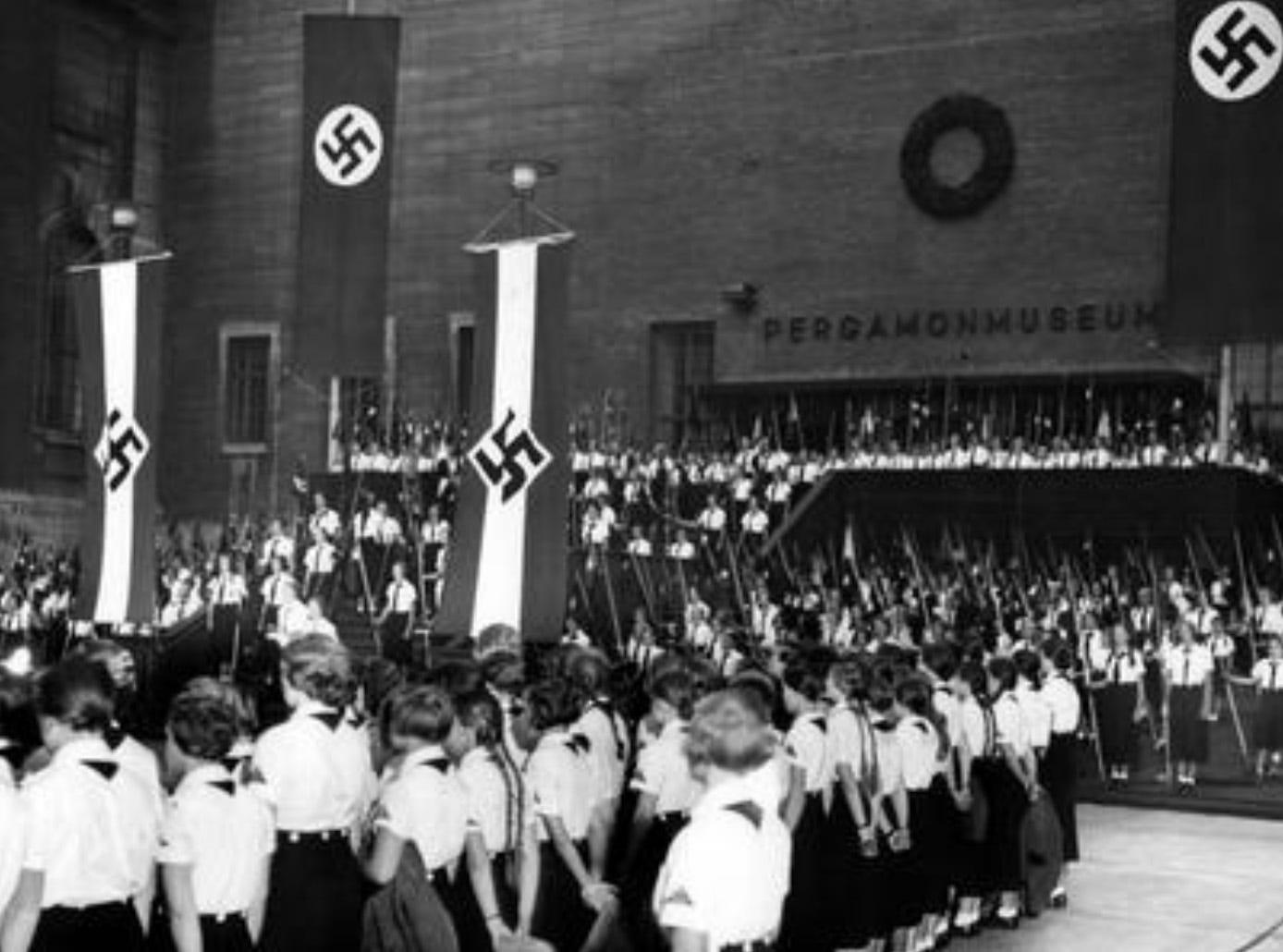
When the Nazis came to power in 1933, they tried to emphasize all German cultural institutions to praise Aryan culture with exhibitions, events, parades and speeches, a “cultural propaganda” aimed to show to their enemies the power of National Socialism and the resurrection of the new Germany, linking it with the cultural past and mythos of the Ancient world but also to racial and dark doctrines. The NSDAP organized weekly visits to show German people -those faithful to the movement- the treasures contained in Berlin’s museums, including Pergamon. Also, new archaeological excavations led by new archaeologists were started to fill the showcases of the German museums. One of them was Prehistorian and archaeologist Prof Wilhelm Unverzag (1892-1971). His Zantoch research matches with the cultural-political and ideological National Socialist discourses and let to a closer connection with the Ahnenerbe and the SS leaders, especially Alexander Langsdorff, which appointed him as chairman of the Berliner Gesellschaft für Anthropologie, Ethnologie und Urgeschichte and member of the Reichsbundes für Deutsche Vorgeschichte. Unverzag would have a leading role in the ultimate fate of the Great Altar’s friezes during the war and at its conclusion.
Pergamon am Bombenkrieg
When the war broke out in September 1939, Nazi-authorities prepared the museums and antiquities of the city for protection against future attacks. Well before that, Hitler had ordered to categorize all works of art in Berlin as Class 1 (Irreplaceable), Class 2 (Very Valuable) and Class 3 (Other).
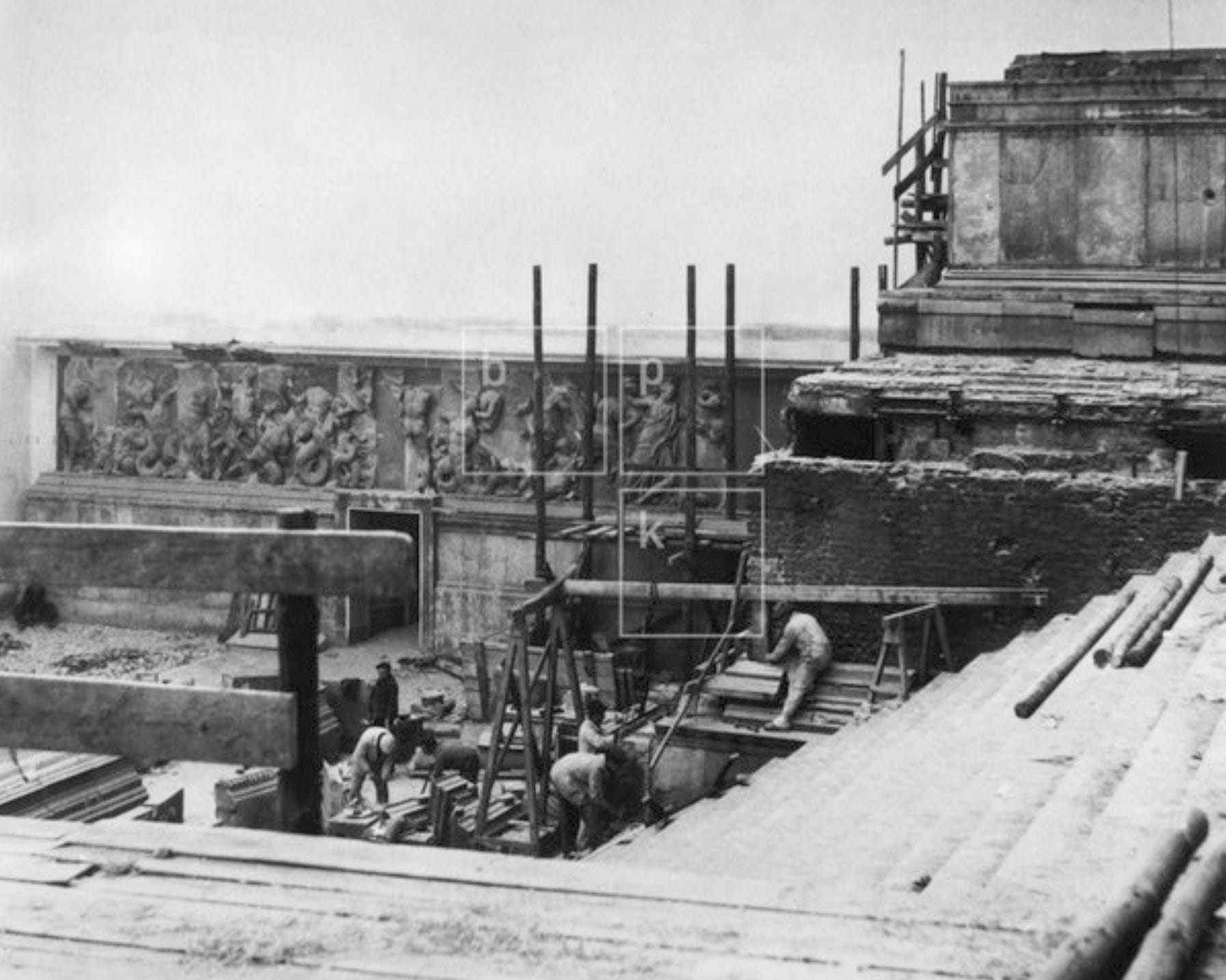
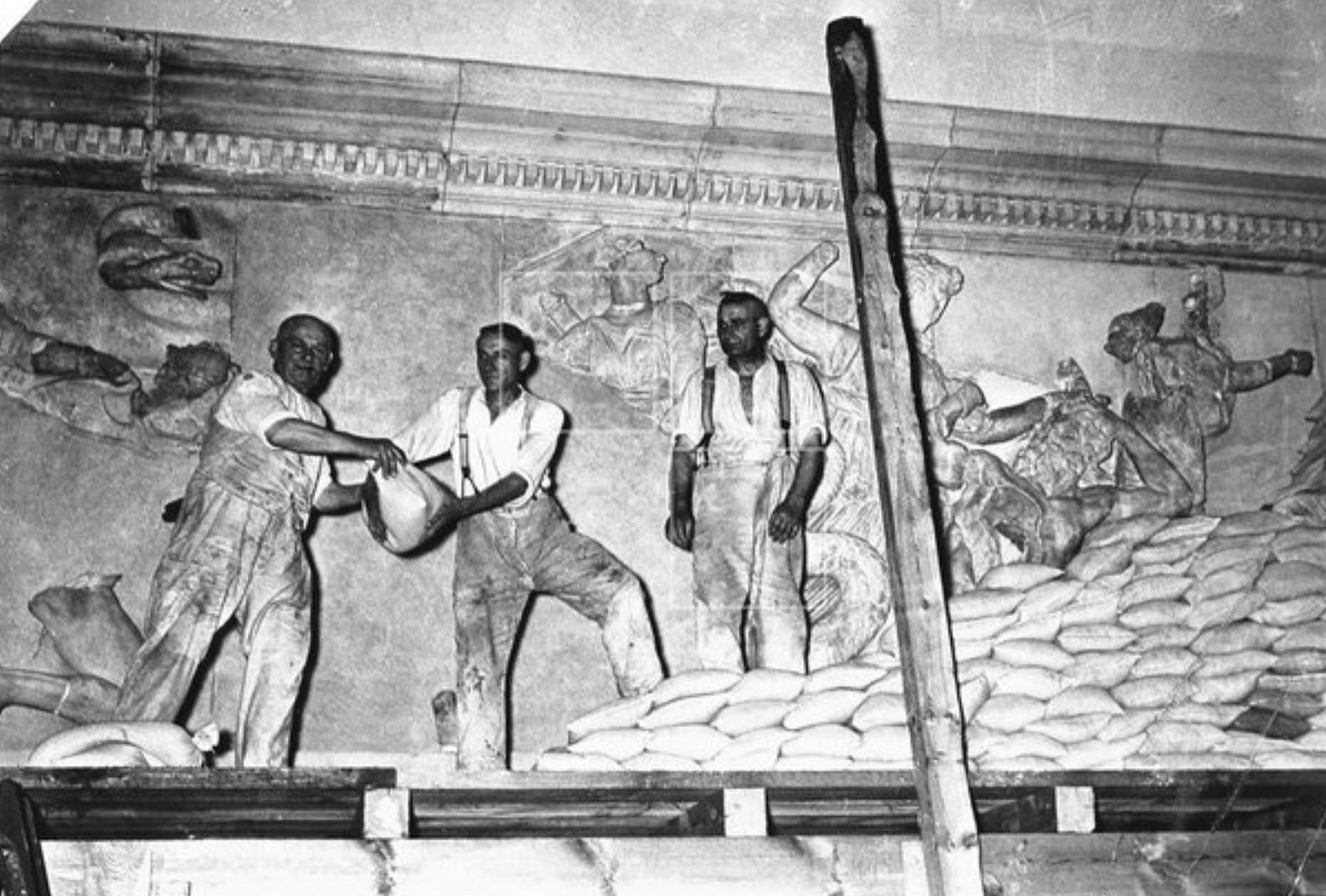
As the RAF air bombings on the city intensified in September 1940, the Führer ordered Generalbauinspekteur Albert Speer urgently the start of a self-defence program under the name of ‘Führer-Sofortprogramm’ (“Emergency program”): air-raid shelters were constructed, a more careful blackout policy was implemented and the main cultural buildings and monuments were protected with masonry and sandbags from the effects of the war from the air. This included Pergamon, which was closed to public since then and secured: basement windows were walled in, and the friezes of the Great Altar, the hall and the other rooms were covered with sandbags and wooden-walls.
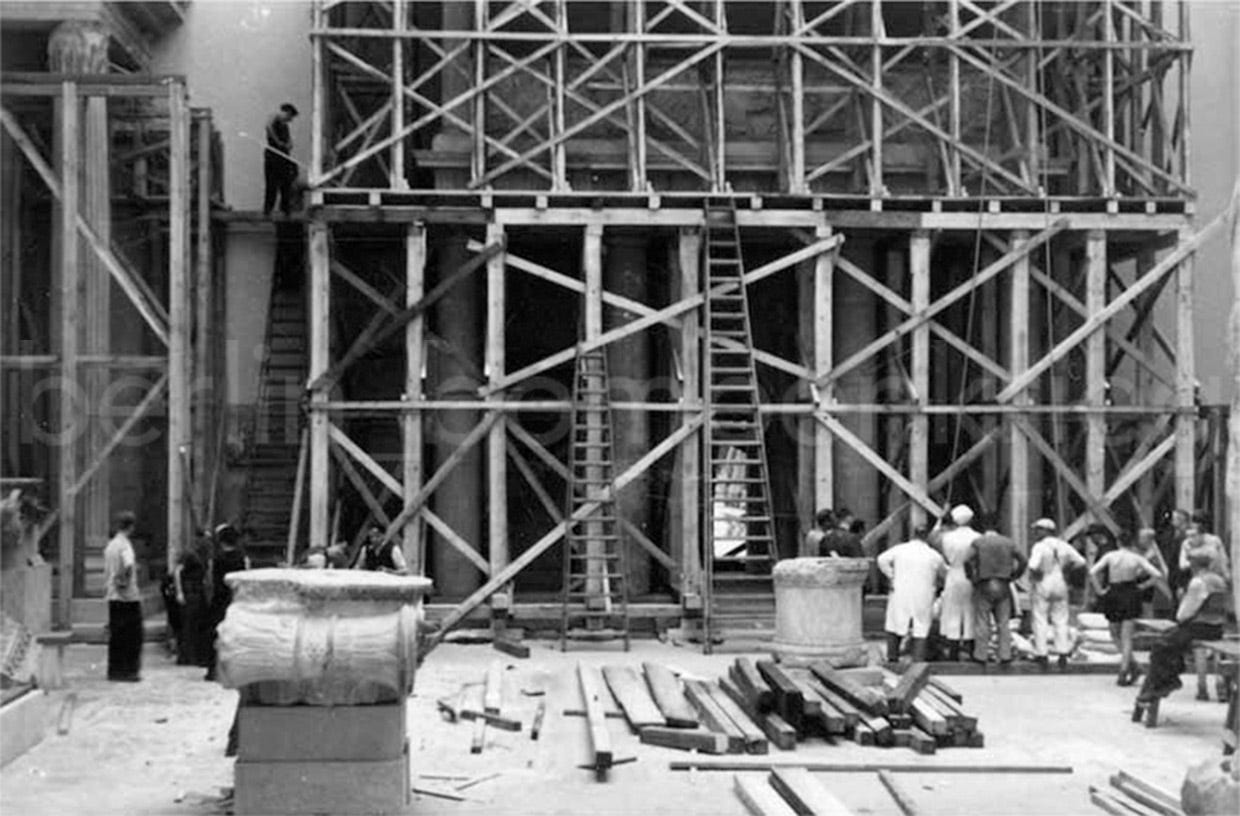
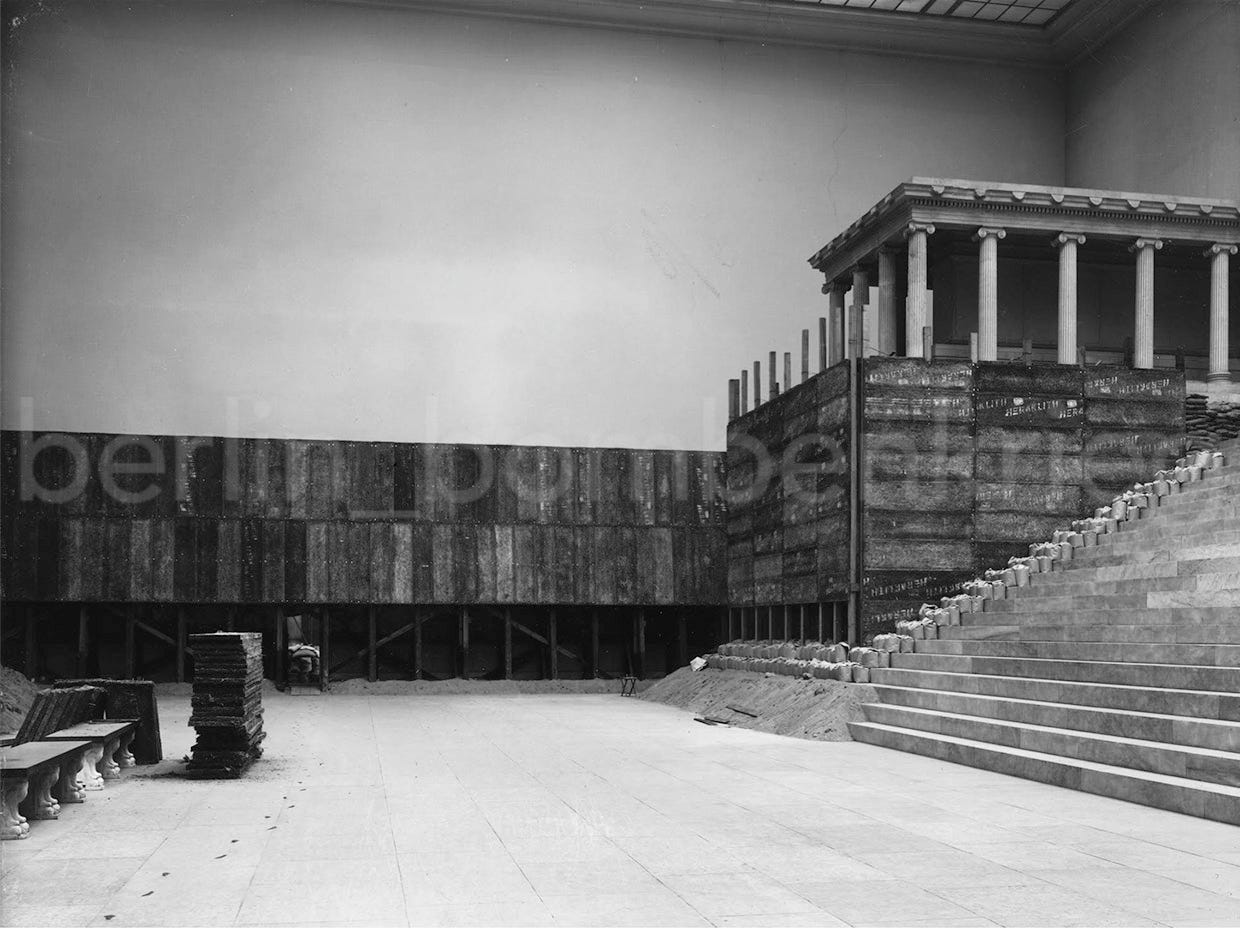
Two views of the Umayyad Mshatta Facade room at Pergamon with its splinter-protection installed in 1940. This stone facade comes from a desert palace that was erected near the Jordanian capital of Amman circa 740 and was a gift from the Ottoman sultan in 1903; it was shown at the museum since 1932.
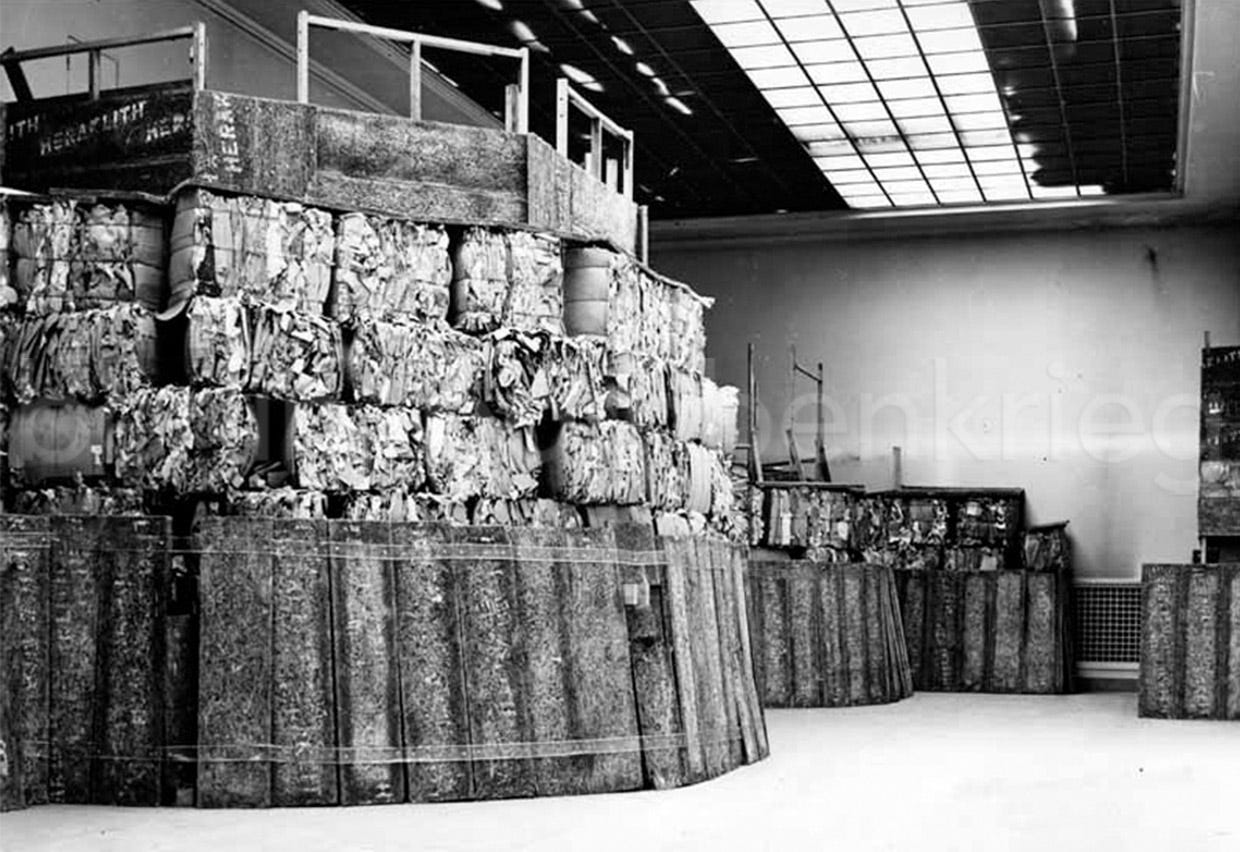
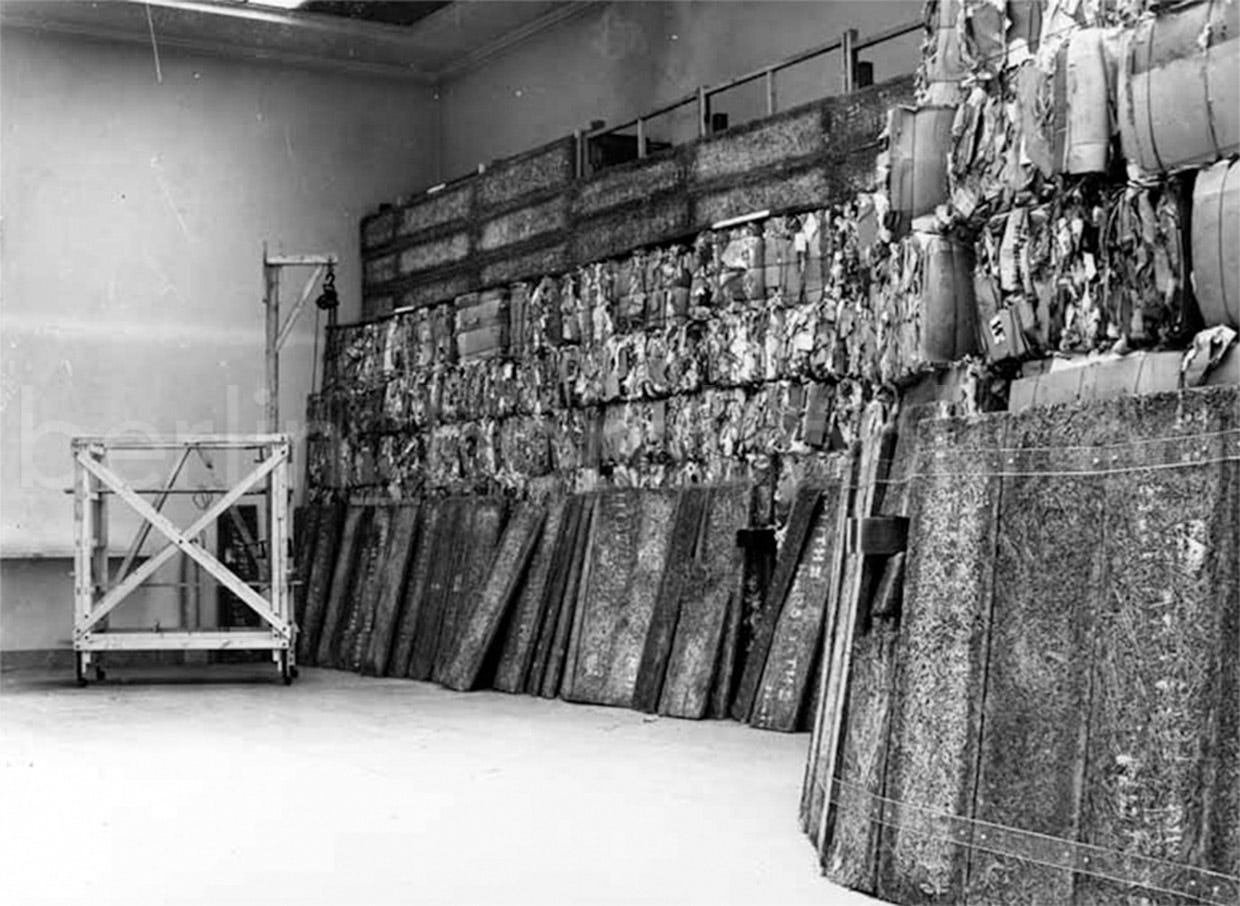
In January 1941, the friezes were dismantled and with the rest of the museum collection stored in crates; at first at the building basement but later were taken to the cellar of the Reichsbank (this included the Priam’s Treasure too, taken from the Martin-Gropius-Bau). When the first Flakturm was built in the Zoo-Tiergarten area months later, the crates were taken to the Großer Zoo-bunker there along hundreds of paintings, gems and other cultural artifacts: the first floor, rooms 10 and 11, took Nefertiti’s portrait head, the Schliemman’s treasures from Troy and the Pergamon panels and dismantled Zeus Altar. From mid 1943 Bomber Command started a stronger and dedicated bombing campaign on Berlin, so Unverzagt tried to secure the rest of the museums’ art objects on the bunker towers along to prepare the evacuation to safer place out of the capital. He took himself residence there too.
Bomb-damage to the museum room that houses the reconstructed Markttor von Milet (Market Gate of Miletus) and the Trajanshalle in 1943, which were secured by a wooden structure and sandbags. The two-storey gate combined Greek and Roman elements from 180 AD. It was discovered in 1903 by Germans Theodor Wiegand and Hubert Knackfuß and its fragments carried to Berlin.
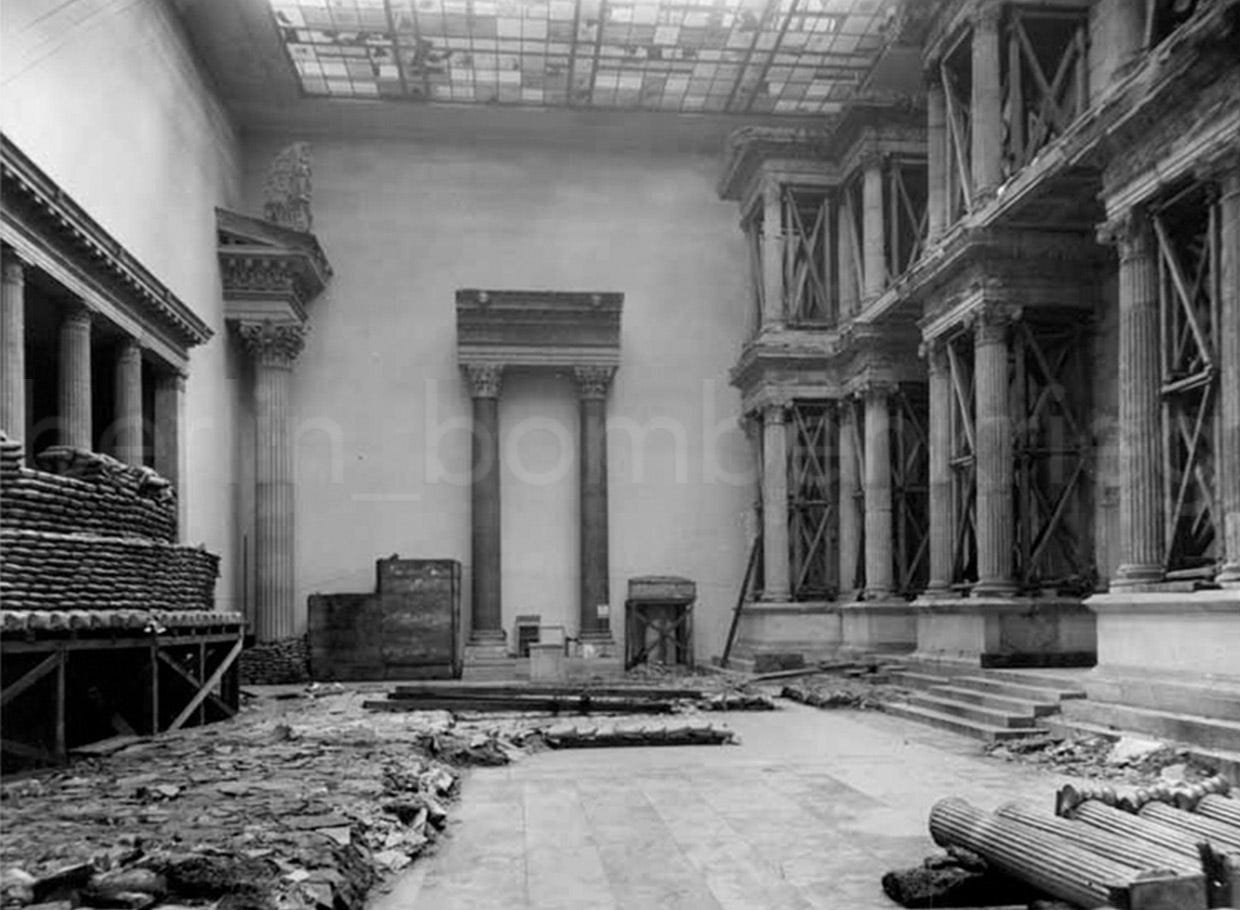
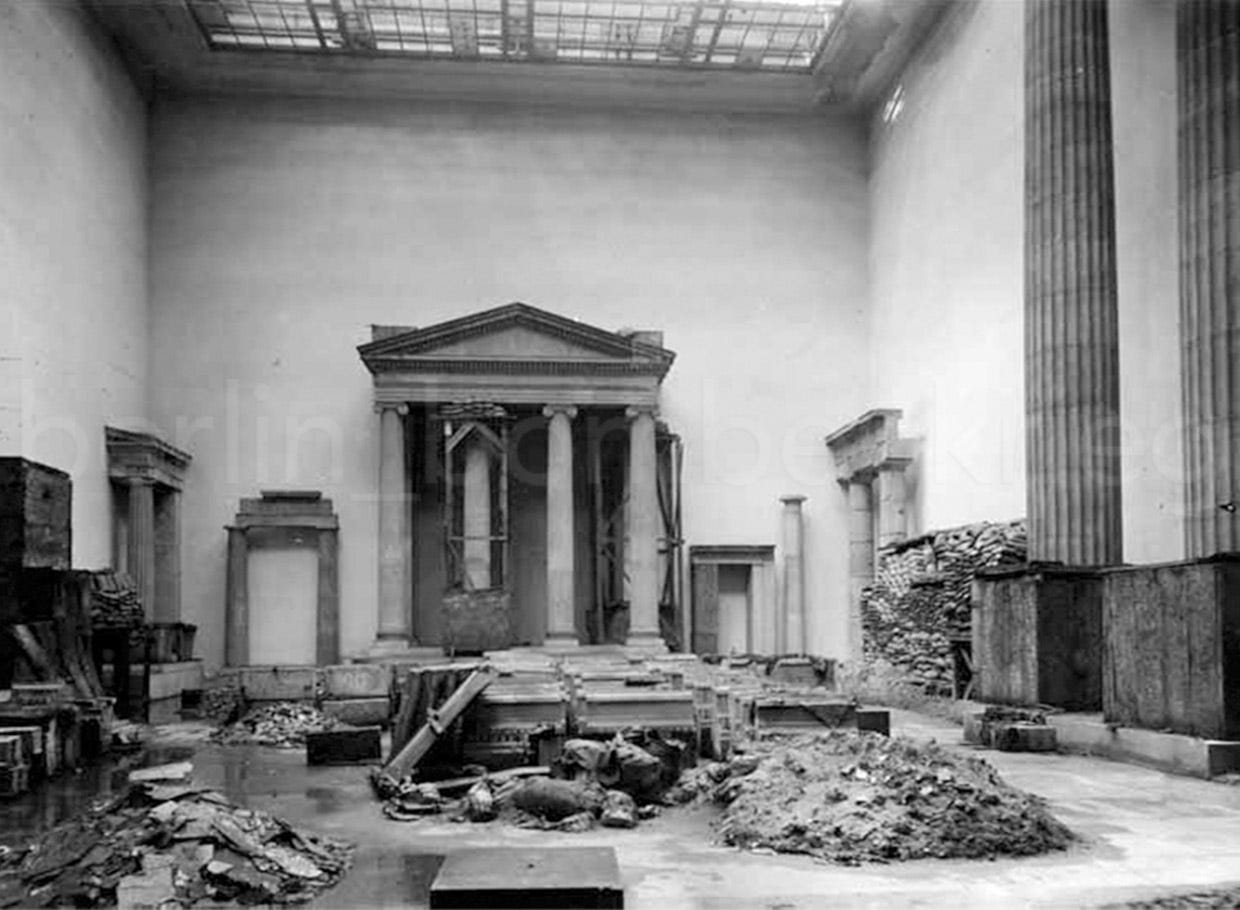
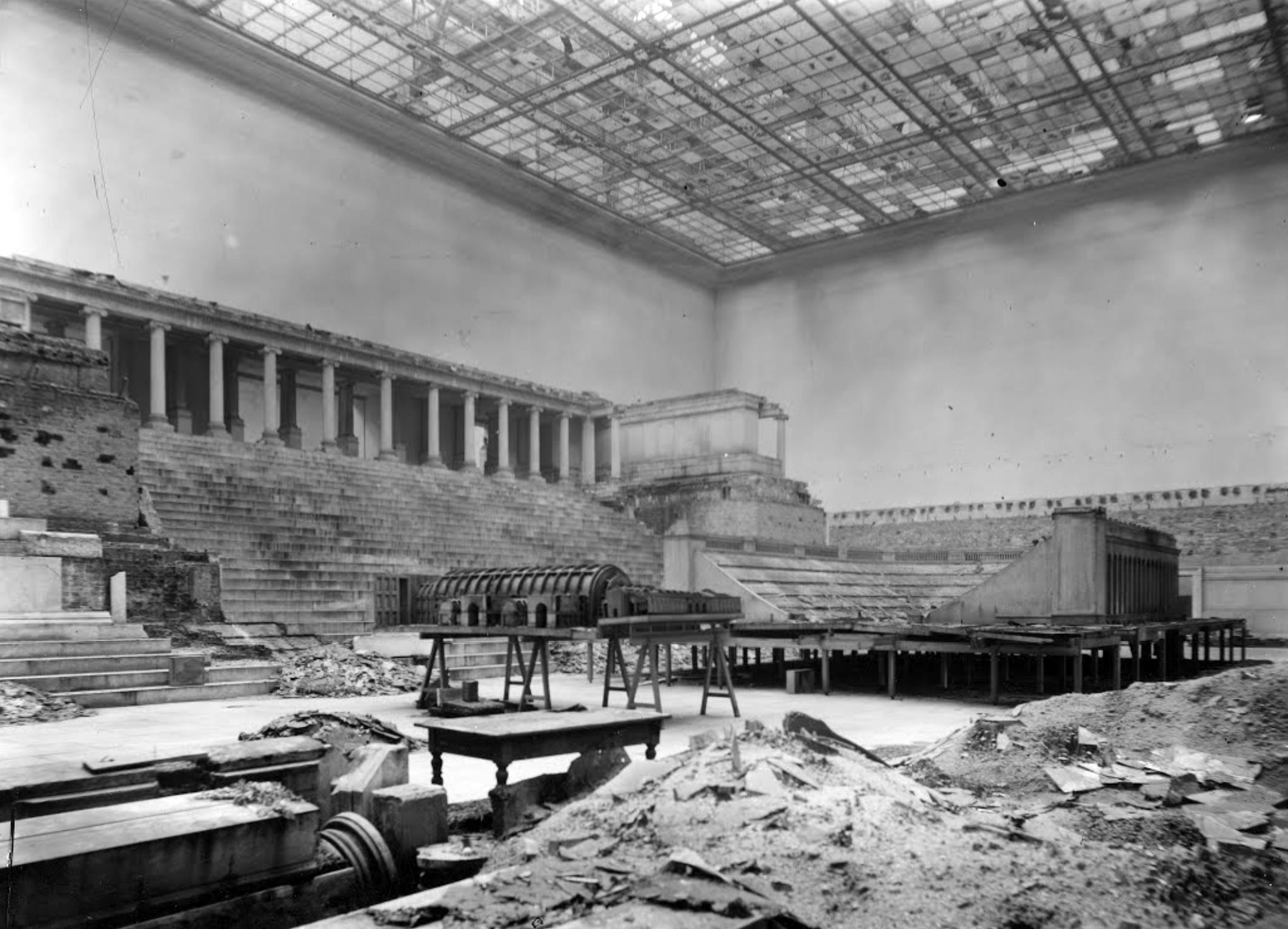
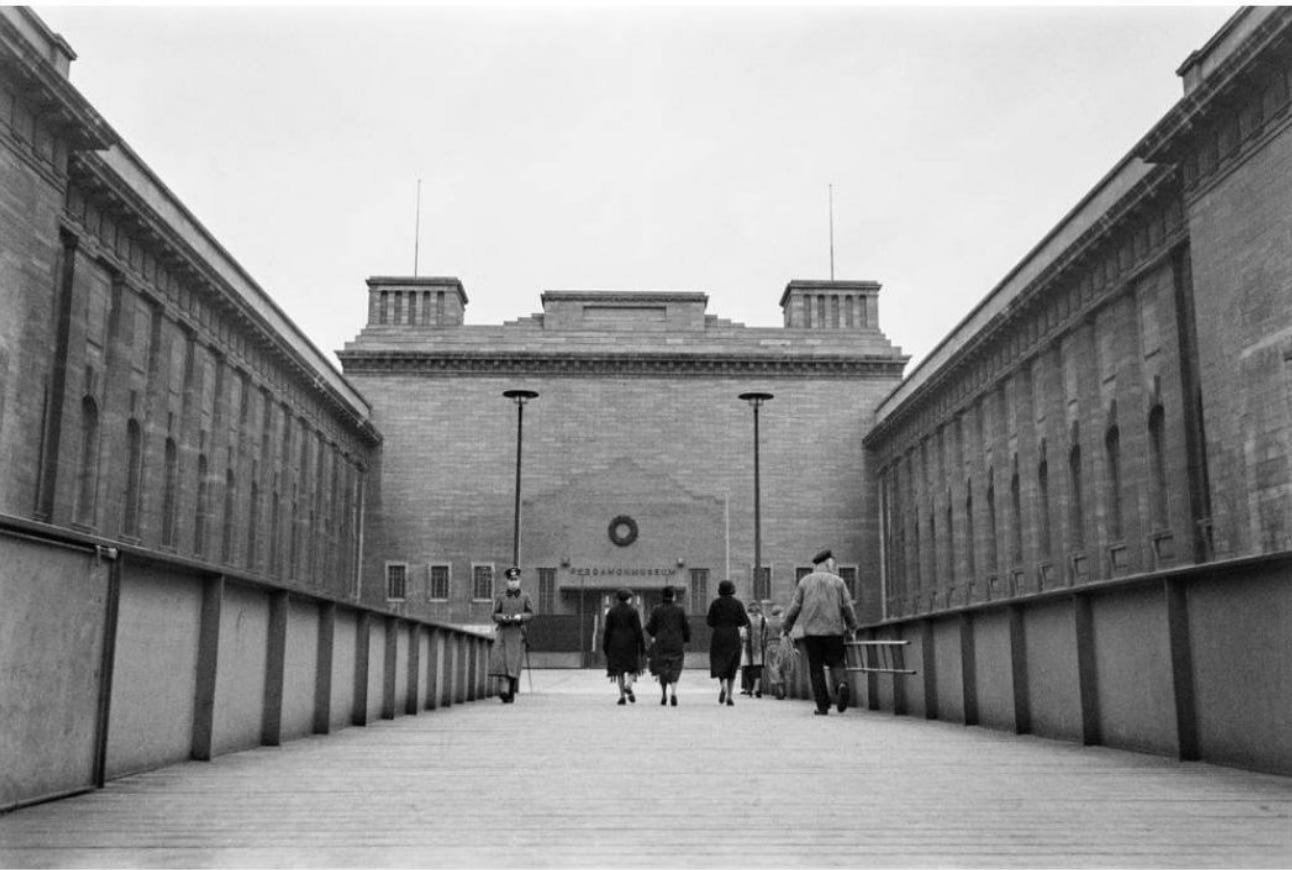
Pergamonmuseum, now a closed site, was finally hit during the British RAF heavy air raid on 28/29 January 1944 -677 bombers were dispatched to bomb Berlin with heavy losses- by a stick of incendiary bombs (more than 300,000 were dropped during the raid) that caused severe damage to the building’s roof and the skylights. The museum was hit again during the big US strike on Berlin Mitte on February 3, 1945 (937 heavy bombers), several bombs caused great damage on the building, including the Mschatta’s room and destroyed the footbridge which linked the Kaiser-Friedrich-Museum.
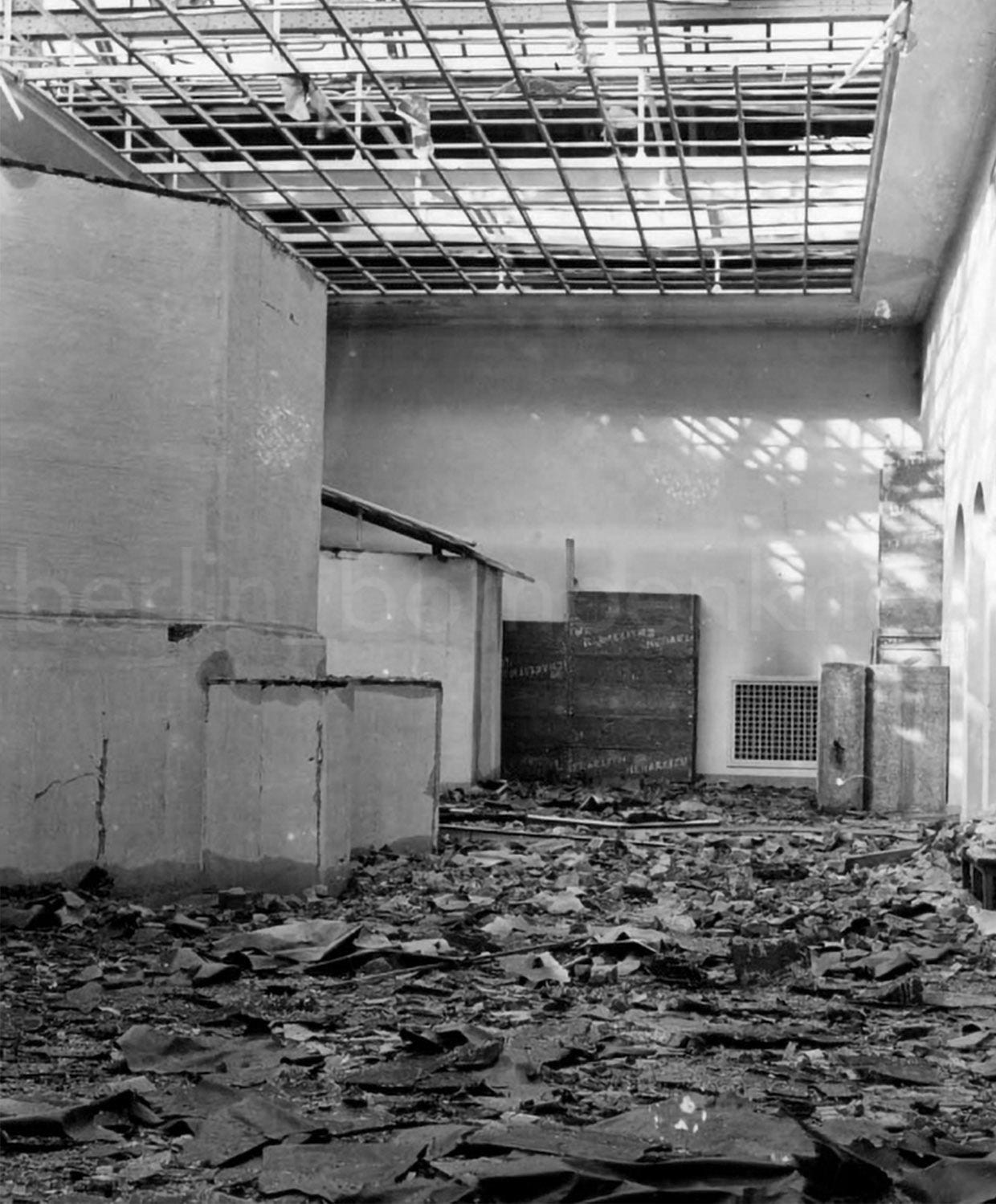
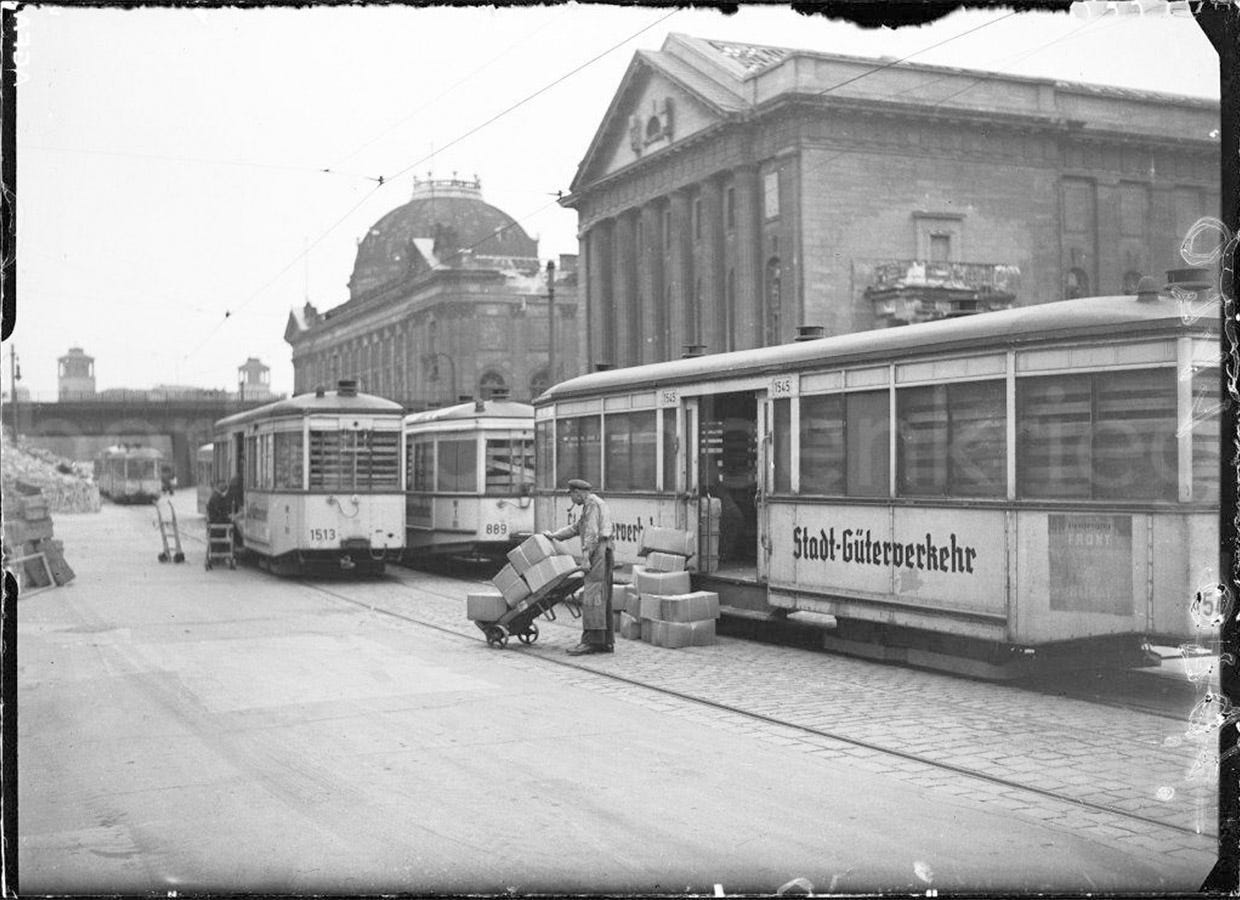
Further damage was inflicted during the final Soviet assault on the capital during April-May 1945, but the museum survived mostly intact to the ground battles. Artillery shells damaged it, which was hit by shrapnel and small-arms fire, and windows, doors and skylights were destroyed but the building was in much proper condition than the surrounding museums of the island, for example both the Neues and Altes museums were gutted by fire and left in a ruined state until the end of the Cold War. On May 1st, Red Army’s 266th Rifle Division took the northern part of the island and occupied the museums, reported by archaeologist Gerda Bruns, an employee of the museums: „Am Vormittag um ½ 11 Uhr betritt der erste russische Soldat die Museumsinsel.“
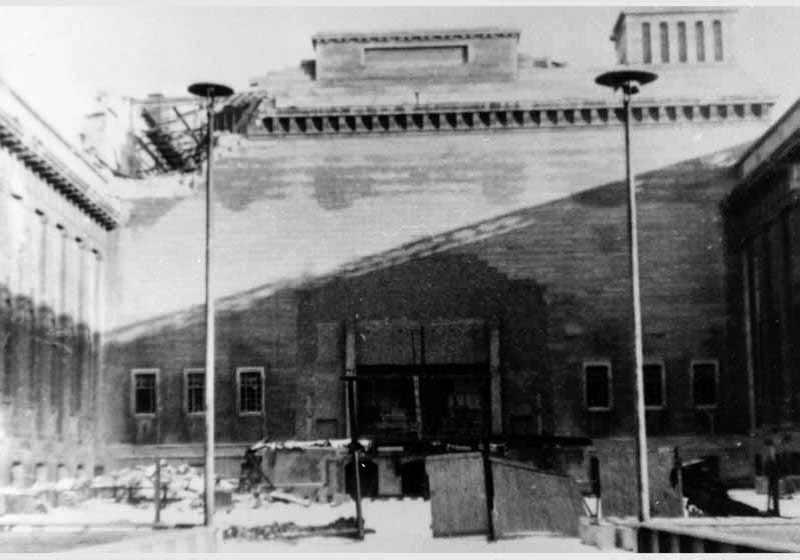
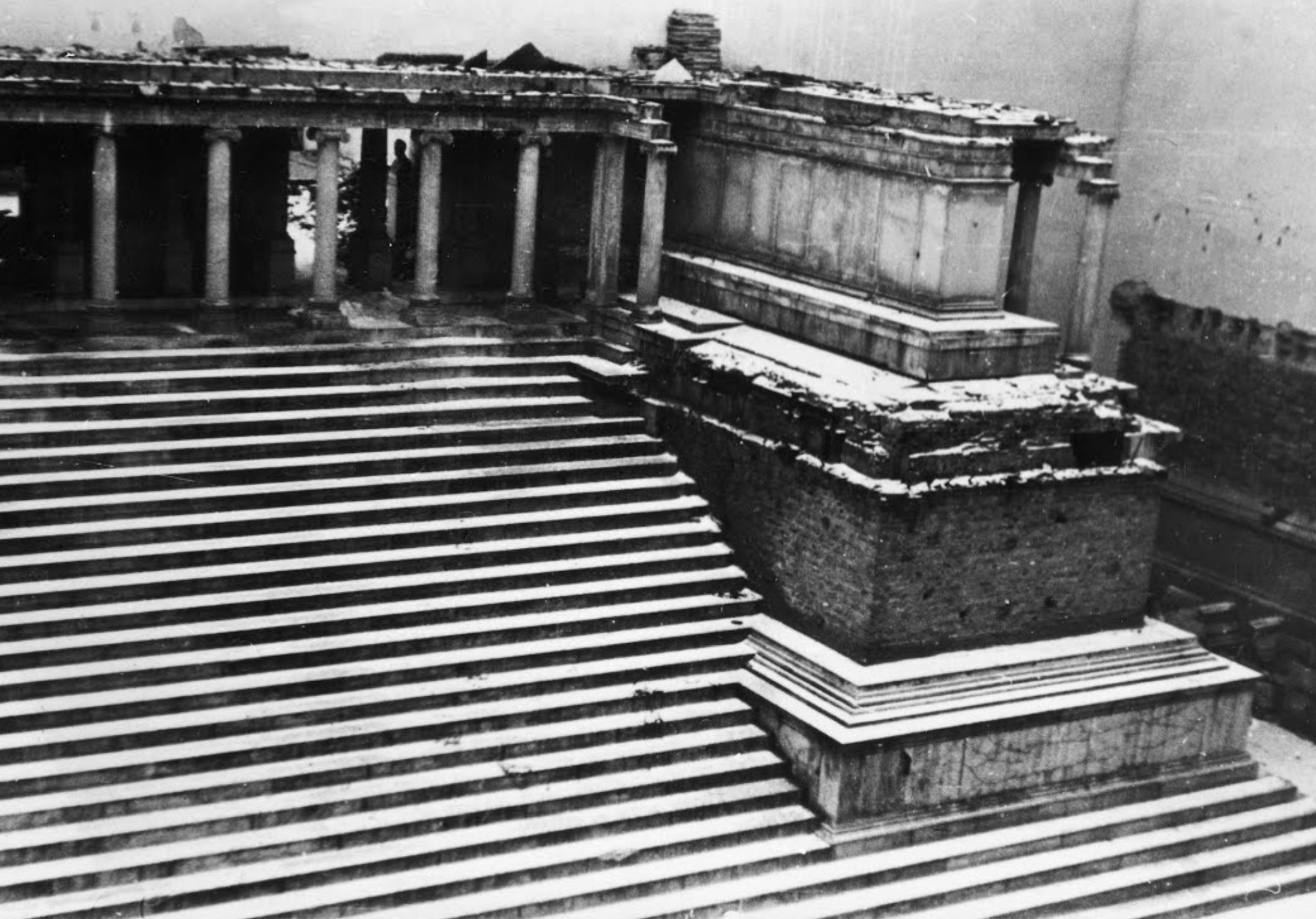
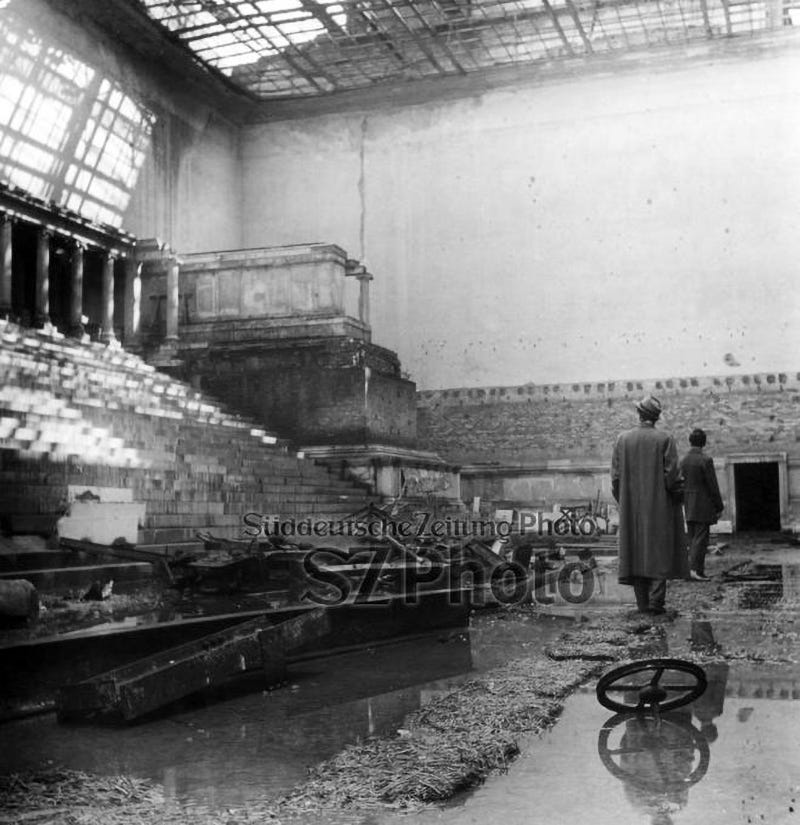
This is an US reconnaissance image taken on 22 March 1945 by PR aircraft of the 22nd Photographic Reconnaissance Squadron over Berlin-Mitte, showing the damage inflicted to the Museumsinsel and the destroyed skylight roof of the Pergamonmuseum, gutted by fire. Note the adjacent bombed out Neues Museum, all before the ground battles of April-May.
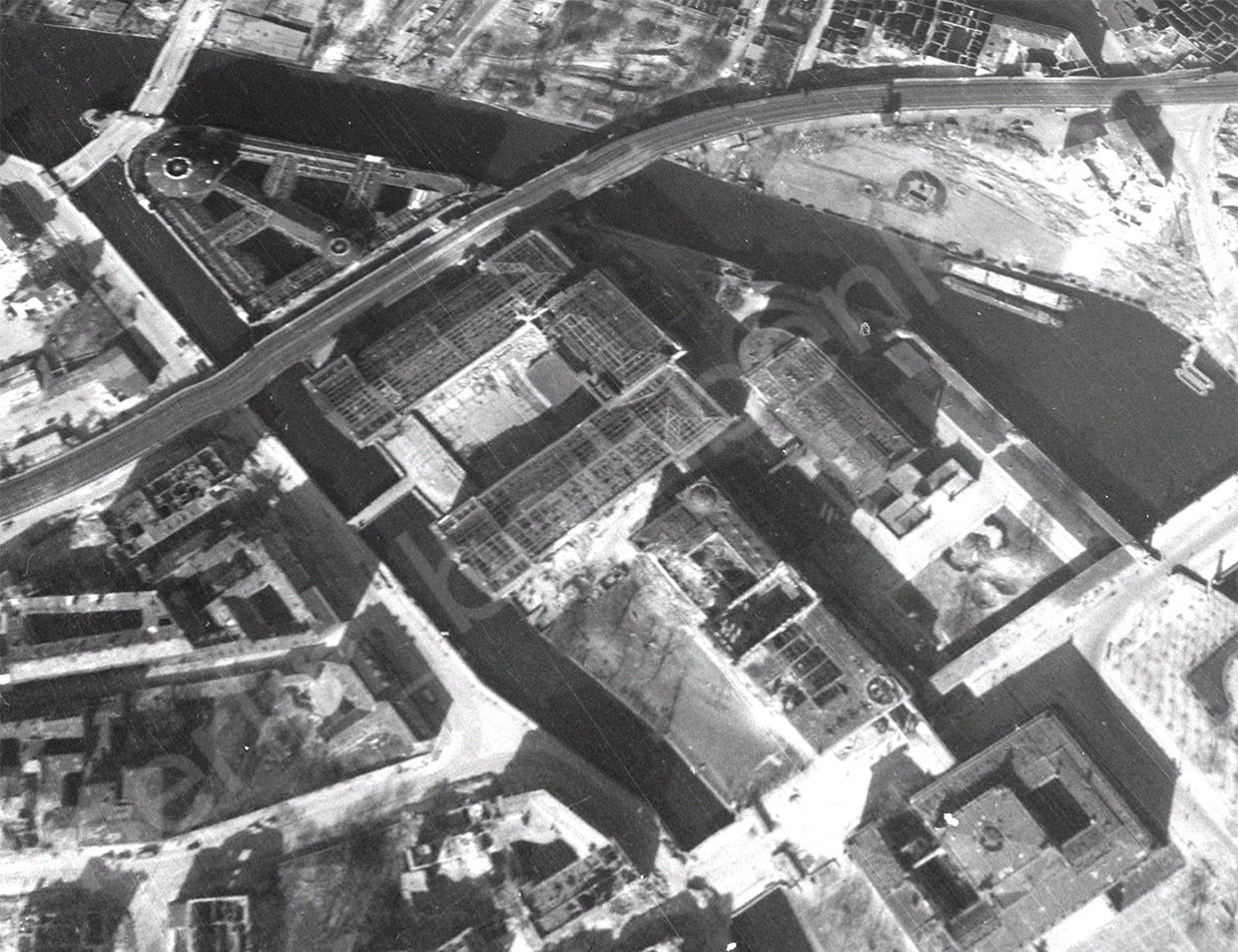
By war’s end, the new Pergamonmuseum had been open to the public just nine years before the outbreak of the Second World War obligated to close it, and had become a ruined building only fifteen years after its glorious inauguration.
But what happened to its treasures, secured on the Flakturm’s Zoo-bunker, when the Soviet Red Army reached the city in May 1945?
_______________
Sources and Bibliography:
Allen, Susan Heuck (1999), Finding the Walls of Troy: Frank Calvert and Heinrich Schliemann at Hisarlik. University of California Press
Bilsel, Can (2012), Antiquity on Display: Regimes of the Authentic in Berlin’s Pergamon Museum, Oxford University Press.
Demps, Laurenz. (2014), Luftangriffe auf Berlin. Die Berichte der Hauptluftschutzstelle. Ch. Links Verlag
Heilmeyer, Wolf-Dieter. (1996), History of the Display of the Telephos Frieze in the Twentieth Century. In: Dreyfus, R (ed). PERGAMON: The Telephos Frieze from the Great Altar, Volume 1. Fine Arts Museums of San Francisco
Staatliche Museen zu Berlin. Klartext Zur Geschichte des Bode-Museums von 1875 bis 2020: Chronologie
Landesarchiv Berlin; LAB, A Rep. 005-07, Nr. 559, o. Bl
Middlebrook, Martin and Everett, Chris. (1985), The Bomber Command War Diaries: An Operational Reference Book. Pen & Sword Aviation. Reprint Edition 2014
Moorhouse, Roger. (2011), Berlin at war. Life and death in Hitler’s capital, 1939-45. Vintage Books
Pergamonmuseum. Staatliche Museen zu Berlin <https://www.smb.museum/museen-einrichtungen/pergamonmuseum/home/>
Pollitt, Jerome J. (1986), Art in the Hellenistic Age. Cambridge University Press
Shirer, William L. (1997), Berlin Diary: Journal of a Foreign Correspondent 1934-1941. Galahad Books
Wemhoff, Matthias. (2014). Das Berliner Museum für Vor-und Frühgeschichte in der Zeit des Nationalsozialiusmus. In: Blickpunkt Archäologie 3, 2014, S. 40-43
Wildt, Michael and Kreutzmueller, Christoph. (2013), Berlin 1933-1945 - Stadt und Gesellschaft im Nationalsozialismus. Siedler Verlag
Winter, Petra. Invasion auf der Insel: 75 Jahre Kriegsende auf der Museumsinsel. Blog der Staatlichen Museen zu Berlin, Preußischer Kulturbesitz
Thank you for reading Berlin Bombenkrieg by Pablo López Ruiz. Please subscribe, if you haven’t yet, to comment, follow and share. All images used for non profit / educational purposes.