


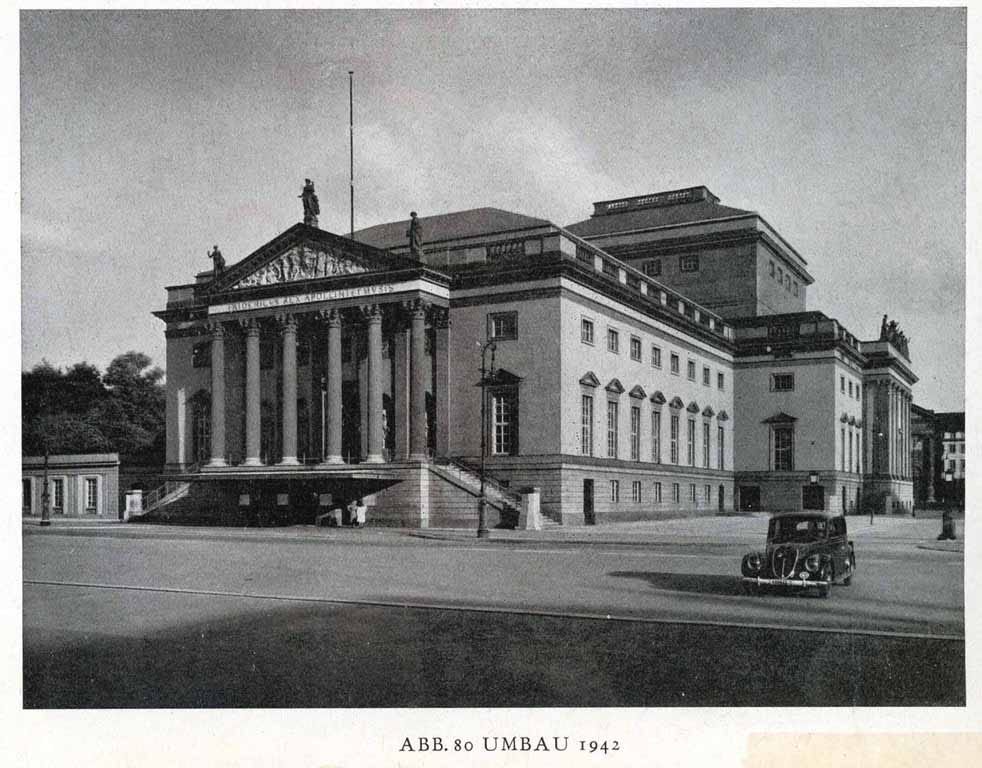
When the Staatsoper den Linden was severely damaged by British bombs in April 1941, Hitler urgently ordered its reconstruction, as it was one of his favourite buildings from his fanatical devotion to Opera and Richard Wagner’s works.
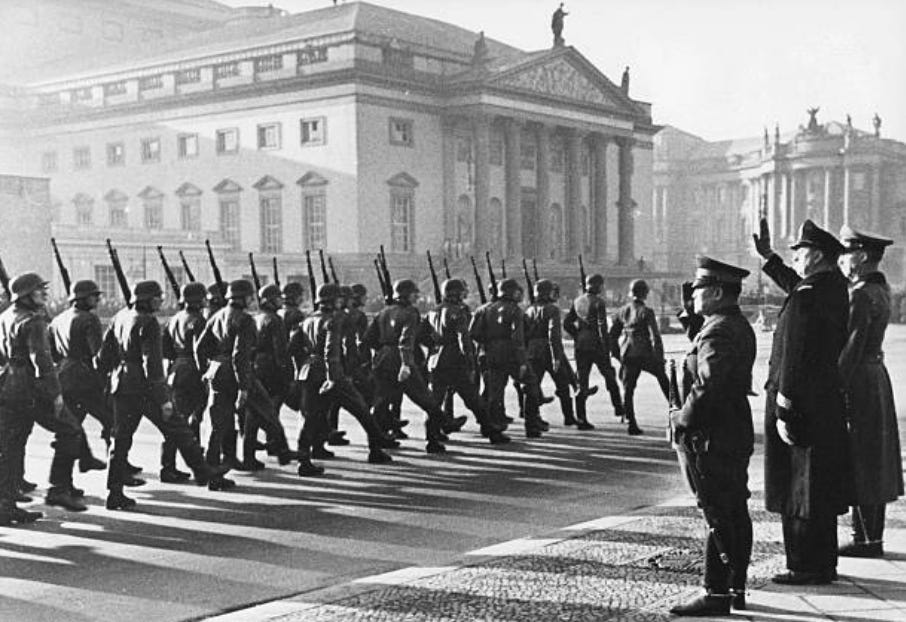
The theatre would be restored under the direction of Erich Meffert, the Ministerial Councilor from Finance, with the building’s structure been hardly modified externally and a new broad monumental staircase inside. According to the architects, the goal was the redesign -in addition to the elimination of functional defects, but tight timeframes and the delivery difficulties for building materials in war time however, forced for most rooms a comparatively simple equipment. In addition to the actual construction site, dozens of plasterers and painters in studios were soon busy working on the elaborate interior design. Everyone was under great pressure, because of the 200th anniversary of the inauguration of the Opera in December 1942 the reconstruction should be completed. Finally, on scheduled time, the Staatsoper reopened with the staging of Wagner’s “Die Meistersinger von Nürnberg” under the musical direction of Wilhelm Furtwängler.
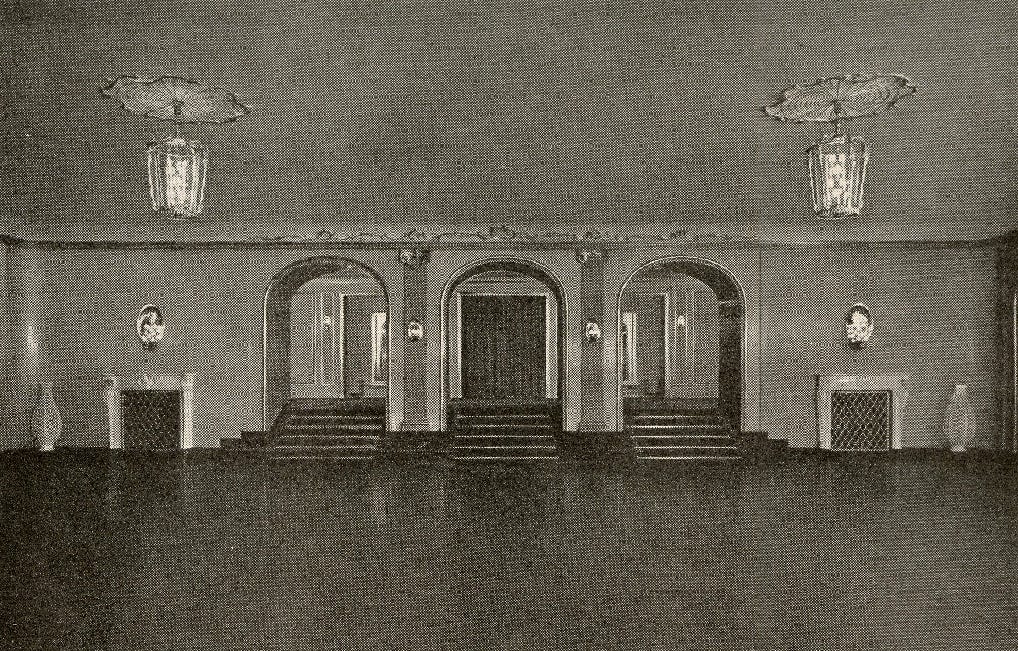
This is a view of the reconstructed foyer floor of the Opera in 1942.
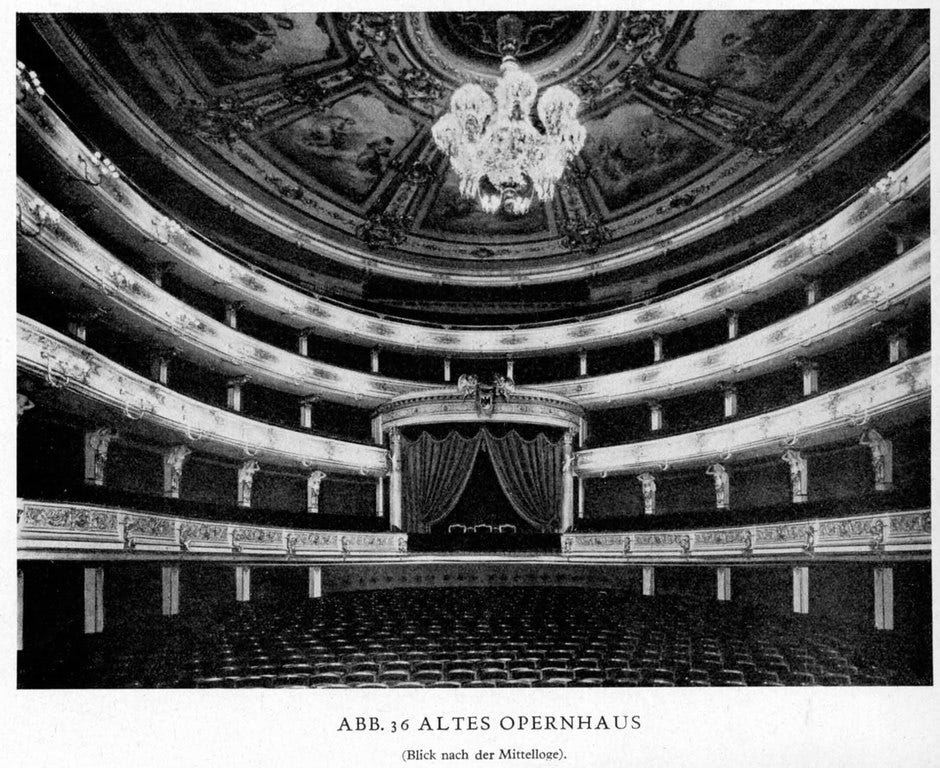
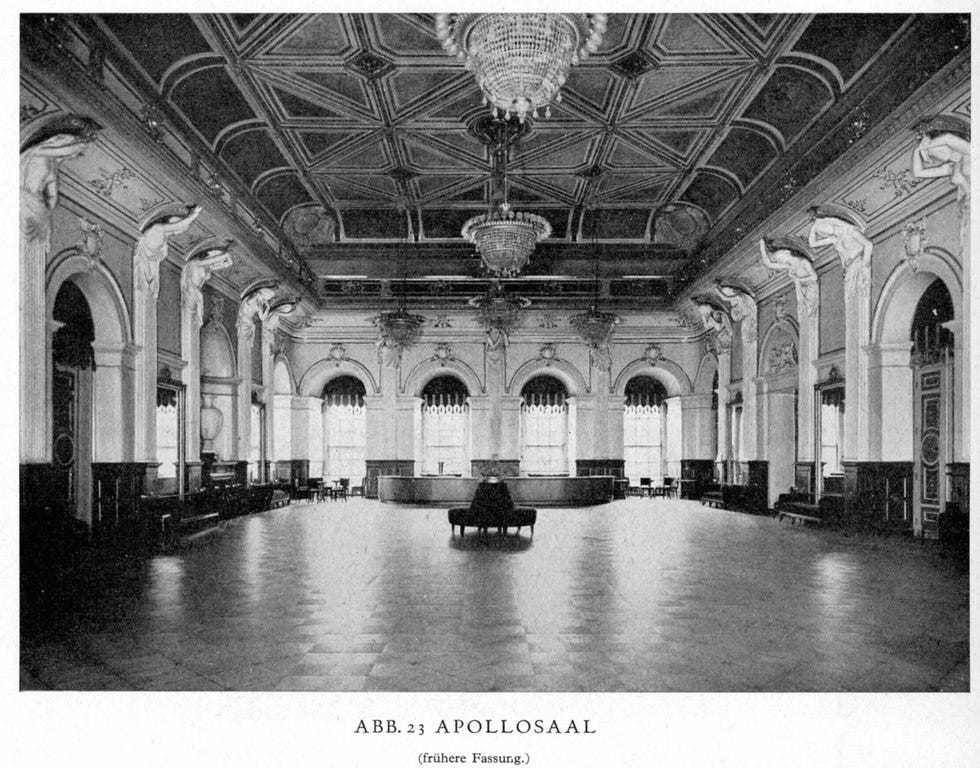
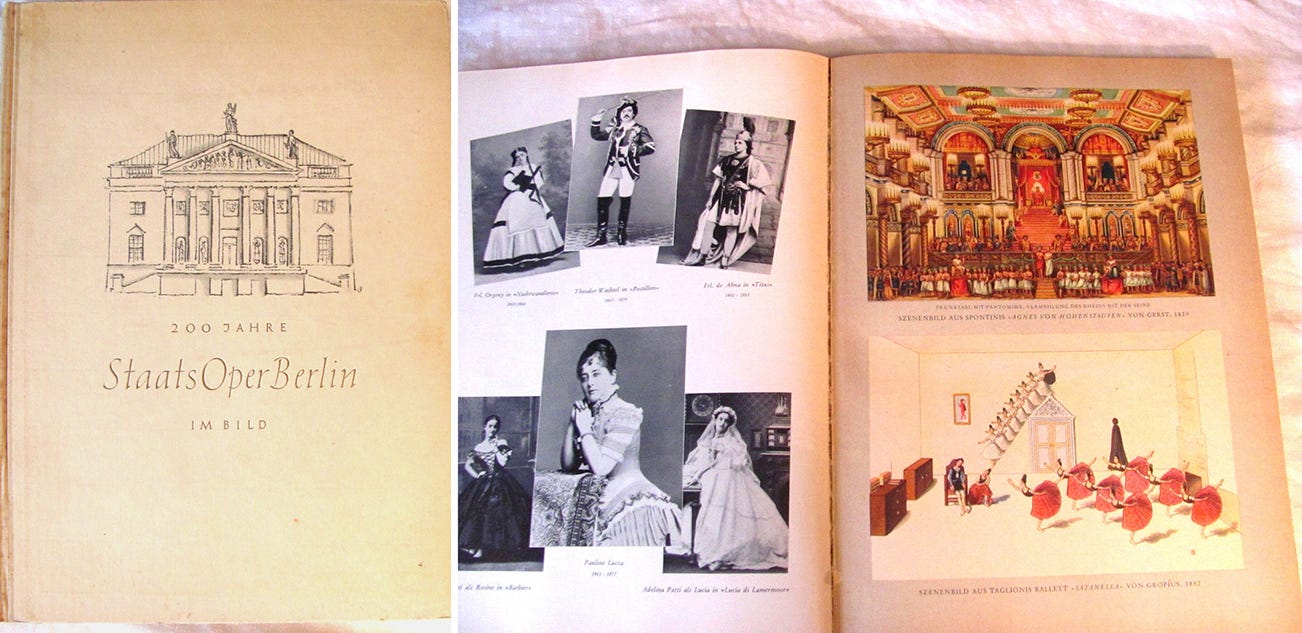
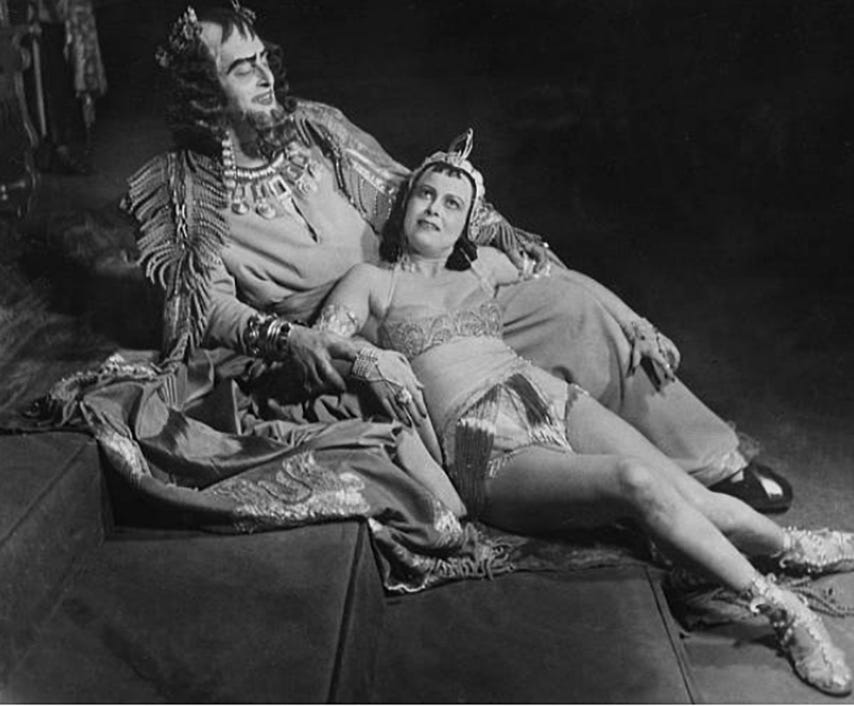
After that, normal life returned to the Opera, with the usual programming of operas and concerts and its constant use by the Nazi leaders. The Staatsoper was still a reference between European culture, despite the prohibition of Jewish authors and their exile from Germany.
But war reached the Opera again. The Staatsoper was slightly damaged in the second half of 1943, during the British Bomber Command attacks made in late summer and fall of that year in which the adjacent St Hedwig cathedral at Bebelplatz was severely damaged too. With American bombs falling on Unter den Linden and Staatsbibliothek in May 1944, Dr Goebbels, as Gauleiter of Berlin, closed down the Opera again in August in the name of the Totaler Krieg (“Total War”) policy. Last performance was on August 31, with ‘Le nozze di Figaro’, directed by Johannes Schüler. The Staatskapelle continued performing symphonic and opera concerts. On November 24, 1944, an attack by several British RAF Mosquito bombers hit the facade of the State Opera (57 Mosquitoes took off with orders to bomb Berlin that night, they bomb on dead reckoning due to bad weather), the cloakroom and the cash desk have been destroyed and the entrance hall damaged.
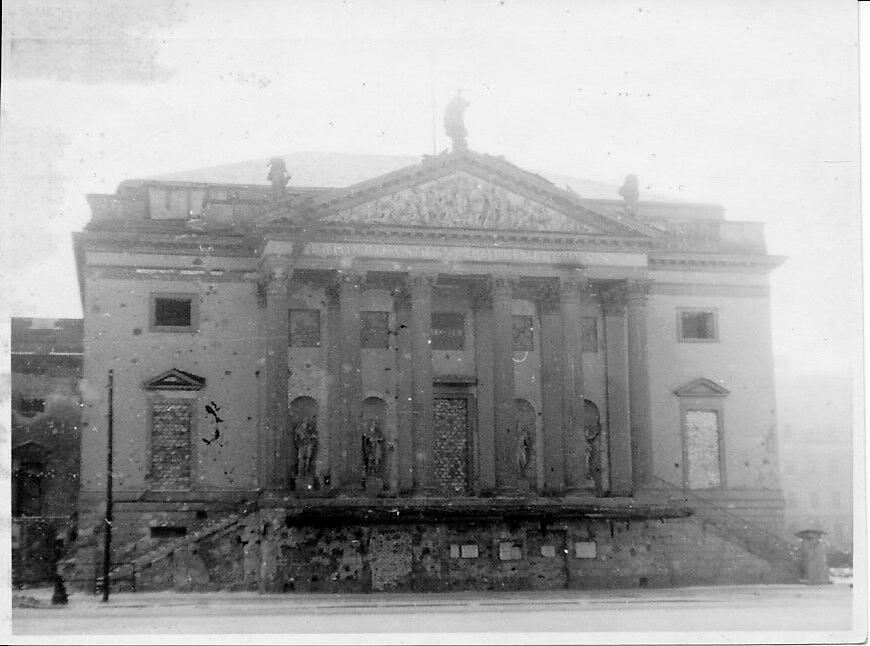
The rebuilt Opera house had just 26 months when the building was finally destroyed on February 3, 1945 hit again by bombs during the massive daylight raid made by US Eighth Air Force. That Saturday the government district of Berlin was pounded and smashed to rubble by American bombs dropped by 937 four-engined bombers which unloaded 2,500 tons of bombs. The Americans lost 23 bombers. Some bombs fell on Unter den Linden and three of them hit the theatre, engulfing in flames not just the roof and the auditorium but also the foundation walls. The portico and the Apollo hall including the internals of the years 1941/42 remained more or less intact.
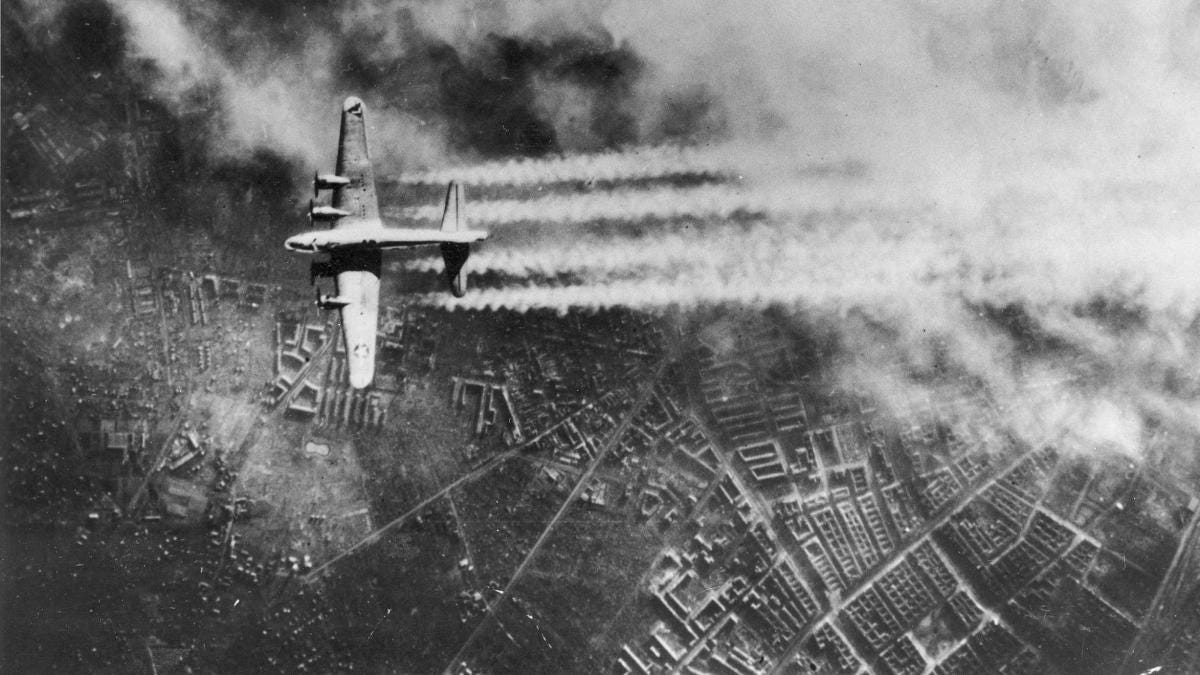
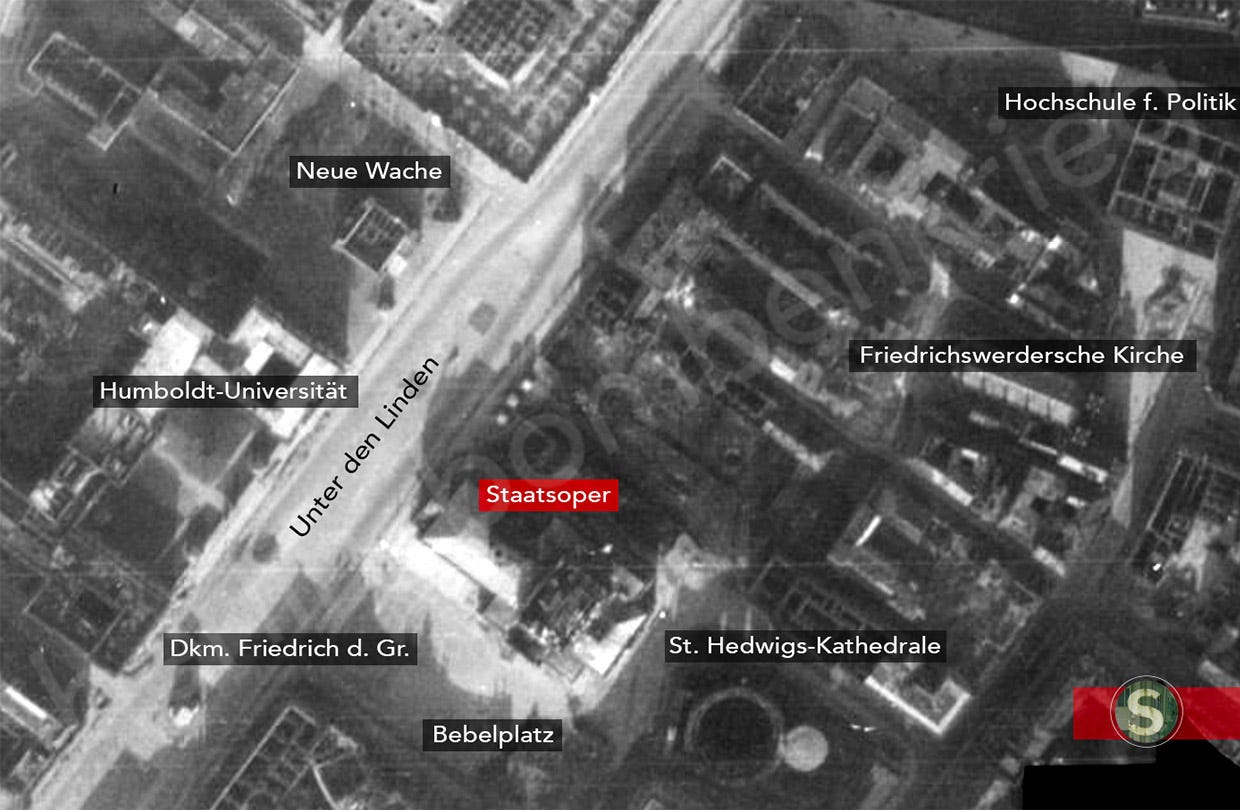
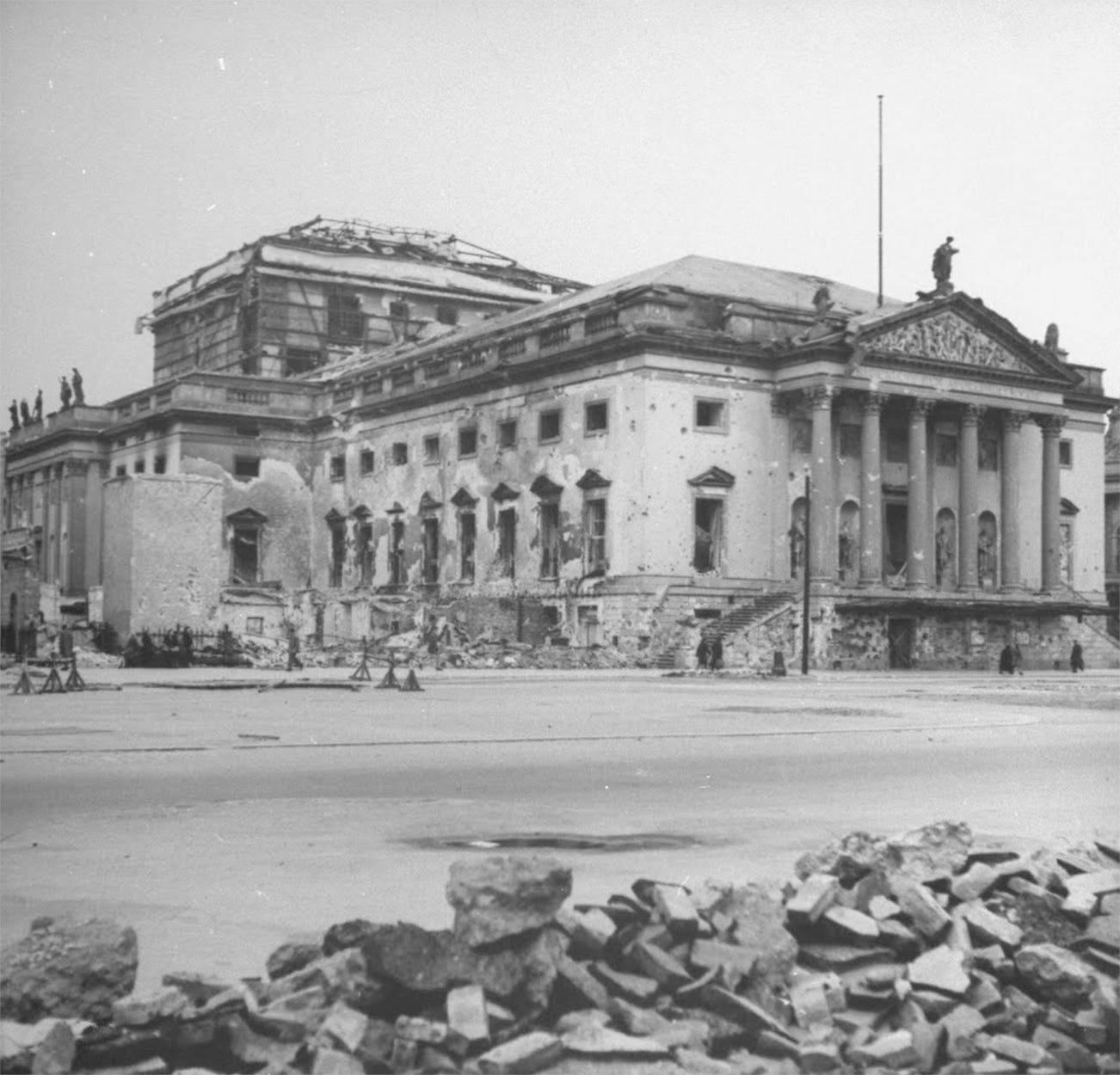
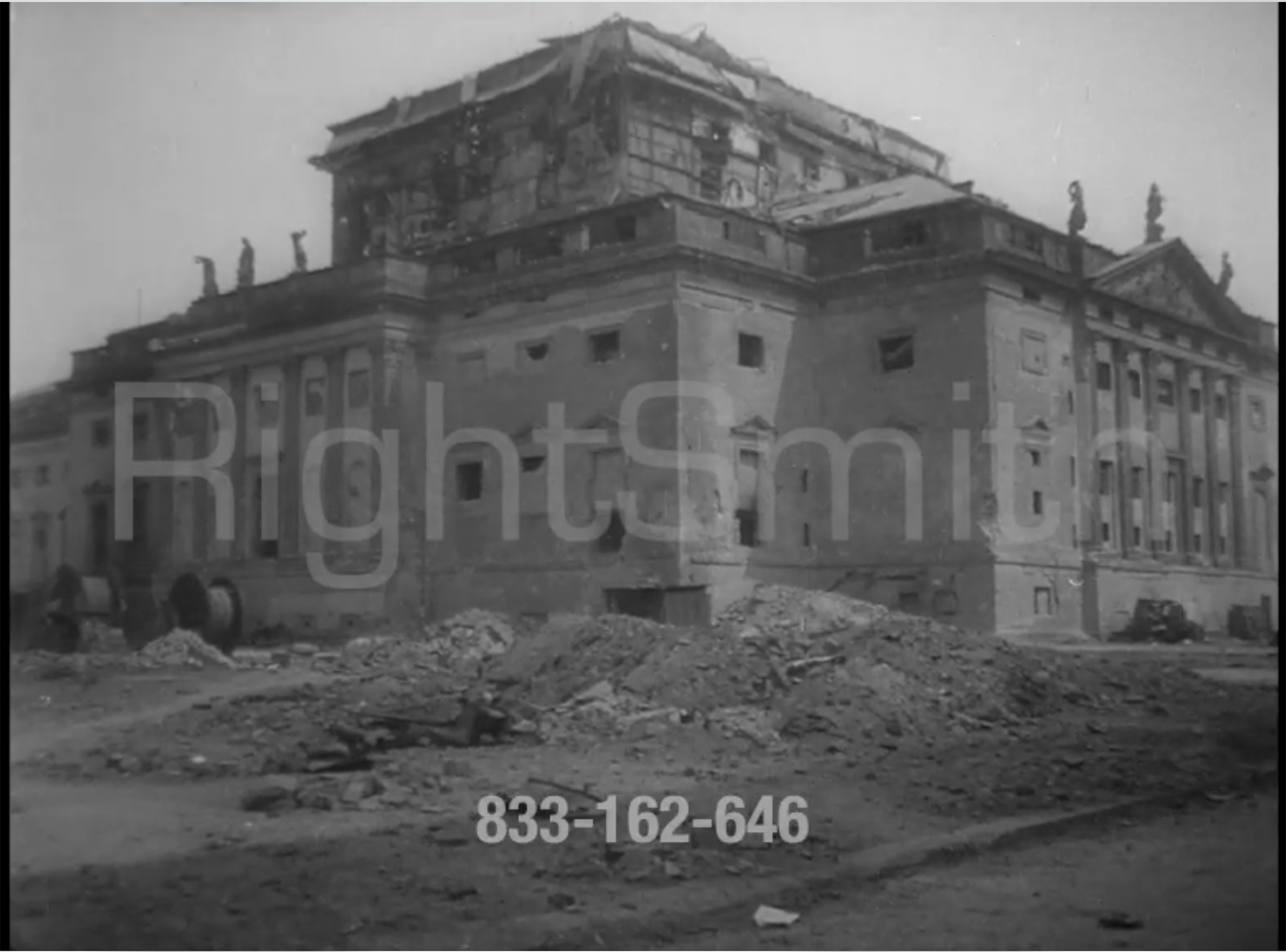
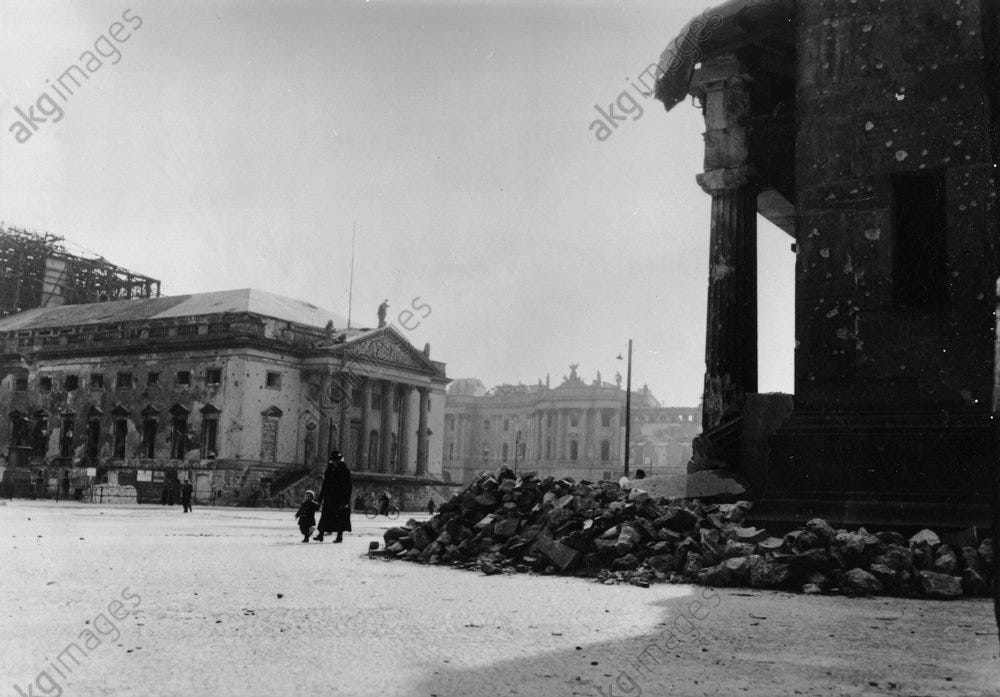
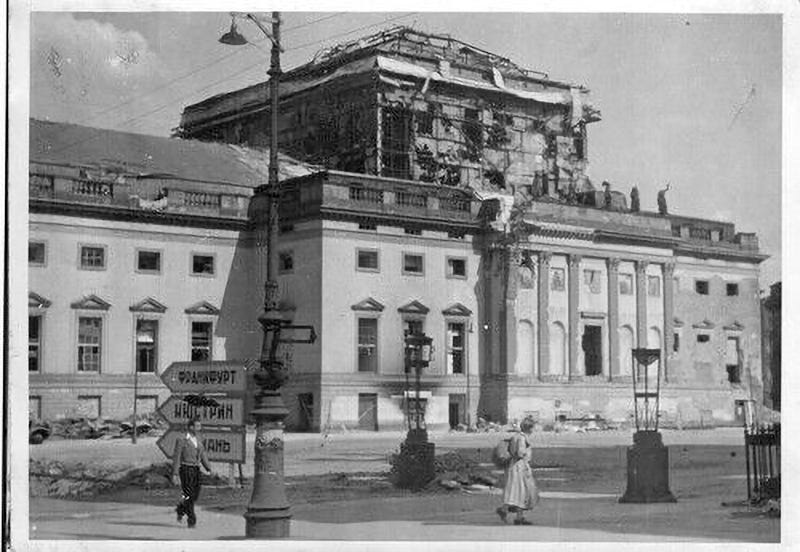
That last great bombing, and the subsequent Battle of Berlin with its bloodied street fighting with Soviet troops left the centre of the capital in a dilapidated and ruined state, with the bad damaged Staatsoper being finally taken by Red Army’s 416th and 295th Rifle Divisions after heavy fighting block by block moving west along Unter den Linden on May 1st, 1945, with the iconic Opera building included in the destroyed set of war prizes get by Stalin as conqueror and final executor of the Third Reich.
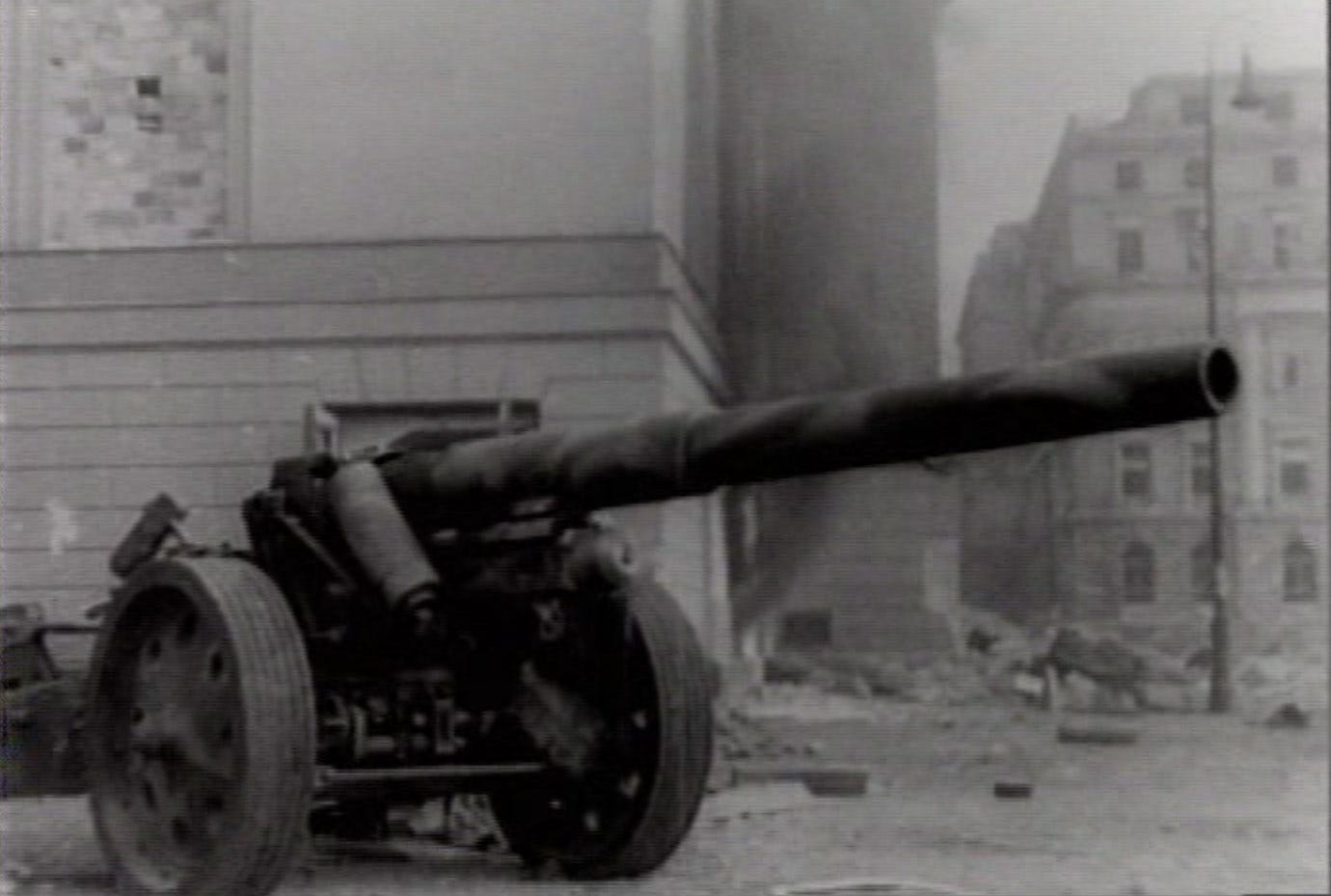
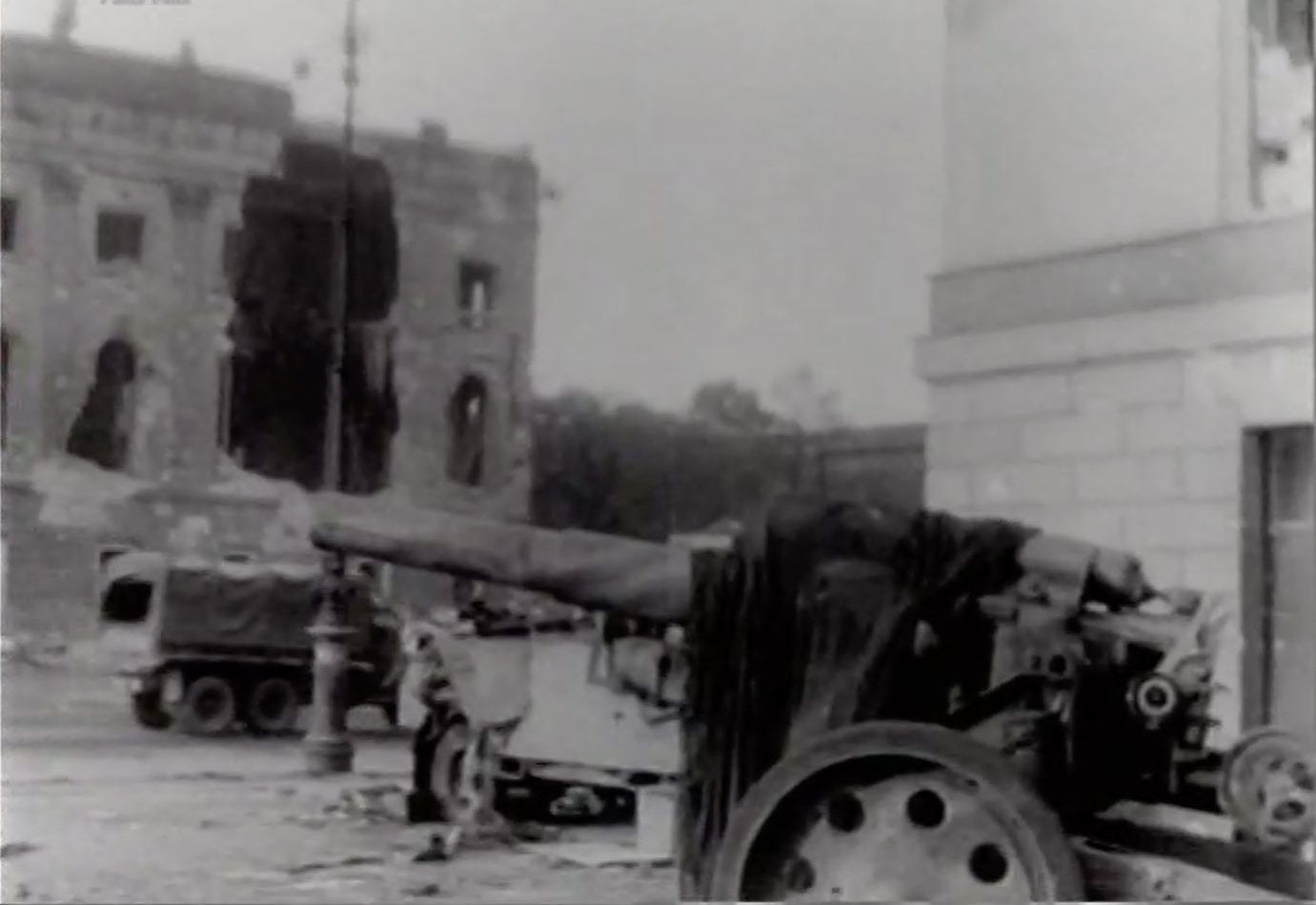
Two views of a German 15 cm FH18 howitzer gun at Bebelplatz next to the Staatsoper, left behind by the defeated garrison after the battle with the Red Army.
_______________
Sources and Bibliography:
8th Air Force Historical Society. Eighth Air Force Operations History - 3 February 1945 <http://8thafhs.com/missions.php>
Aster, Misha. (2017). Staatsoper: Die bewegte Geschichte der Berliner Lindenoper im 20. Jahrhundert. Siedler Verlag.
Einhard, Luther. (2012). Oper in Berlin – Heiß umkämpft und stets unter Feuer. Pro Business.
Freydank, Ruth. (1988). Theater in Berlin: von den Anfängen bis 1945. Berlin.
Friedrich, Jörg. (2002). Der Brand: Deutschland im Bombenkrieg 1940-1945. Propylaen Verlag, Zweigniederlassung der Ullstein.
Kellerhoff Sven F. (2011). Berlin im Krieg: Eine Generation erinnert sich. BASTEI LÜBBE.
Meffert, Erich. (1944). Das Haus der Staatsoper und seine neue Gestaltung. Dargebracht von der Generalintendanz der Preussischen Staatstheater. Generalintendanz der Preussischen Staatstheater. Leipzig, Max Beck Verlag.
Moorhouse, Roger (2011). Berlin at war. Life and death in Hitler’s capital, 1939-45. Vintage Books.
Schmitz, Franz. Kleine Baugeschichte der Staatsoper Unter den Linden. STAATSOPER UNTER DEN LINDEN <https://www.staatsoper-berlin.de>
Thank you for reading Berlin Bombenkrieg by Pablo López Ruiz. Please subscribe, if you haven’t yet, to comment, follow and share. All images used for non profit / educational purposes.