


‘80 Maschinen bestehenden Verbänden schneller Kampfflugzeuge mit Brand-, Spreng- und Minenbomben angegriffen…
…Der Schwerpunkt des Angriffs lag in der Innenstadt’
– Berichte der Hauptluftschutzstelle der Stadtverwaltung Berlin –
Fifteen minutes before 10:00pm of April 10th, 1945, Berlin’s air sirens wailed one more time, and the 369th air alarm on the city began. By the time they sounded again to indicate Berliners the end of the attack, the Klosterkirche and its adjacent monastery lay ablaze and half-destroyed, mortally struck by an RAF mine dropped by a Mosquito bomber in another nuisance night raid.
As we have seen on the previous post, only part of the church and monastery complex remains today (Klosterstraße 73), left since the 1960s as a reminder of Berlin’s turbulent history and the tragedy that war is.
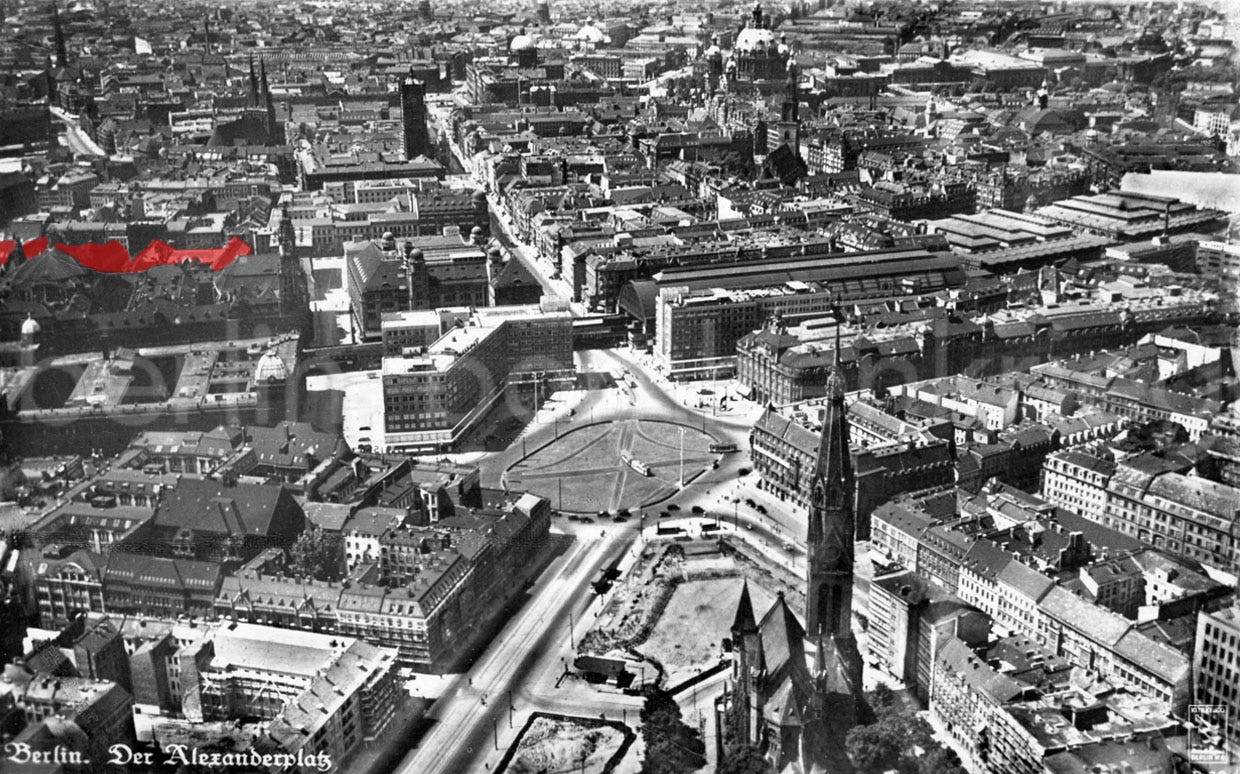
The origins of the Franziskaner-Klosterkirche und Graues Kloster (red marked area in the cover Alexanderplatz photo, at left) goes back to the end of the 13th century when the Margraves of Brandenburg, Otto V and Albert III, gifted the site to the Franciscan order, recently settled in the city. The church, designed as a three-nave basilica with cross vaults, was built in brick Gothic style circa 1250 at the Berlin eastern limits. It is considered the first building in Berlin built entirely of brick. Along with the Klosterkirche, other buildings were successively erected here, including a Franciscans monastery (the Grauen Kloster) and in 1574 an elite high school, the Gymnasium zum Grauen Kloster. Famous students and teachers included Bismarck, Karl Friedrich Schinkel, and Friedrich Ludwig Jahn. With the introduction of the Reformation in Berlin in 1539, the Franciscan convent was dissolved and the church became a branch of the nearby St. Nikolai. The monastery complex suffered several transformations along the centuries, following major repairs and several fires, being expanded during the 19th century and again around 1900.
Following are three views of the monastery complex facing Klosterstr as it was circa 1900: First, a view of the western portal of the Gothic style Klosterkirche with its front twin towers, both demolished in the 1930s. Second, the Gymnasium zum Grauen Kloster at the northern side and, finally, a view of the Direktoren- und Lehrerhauses (Director’s and Teachers’ Houses) at the southern end of the complex.
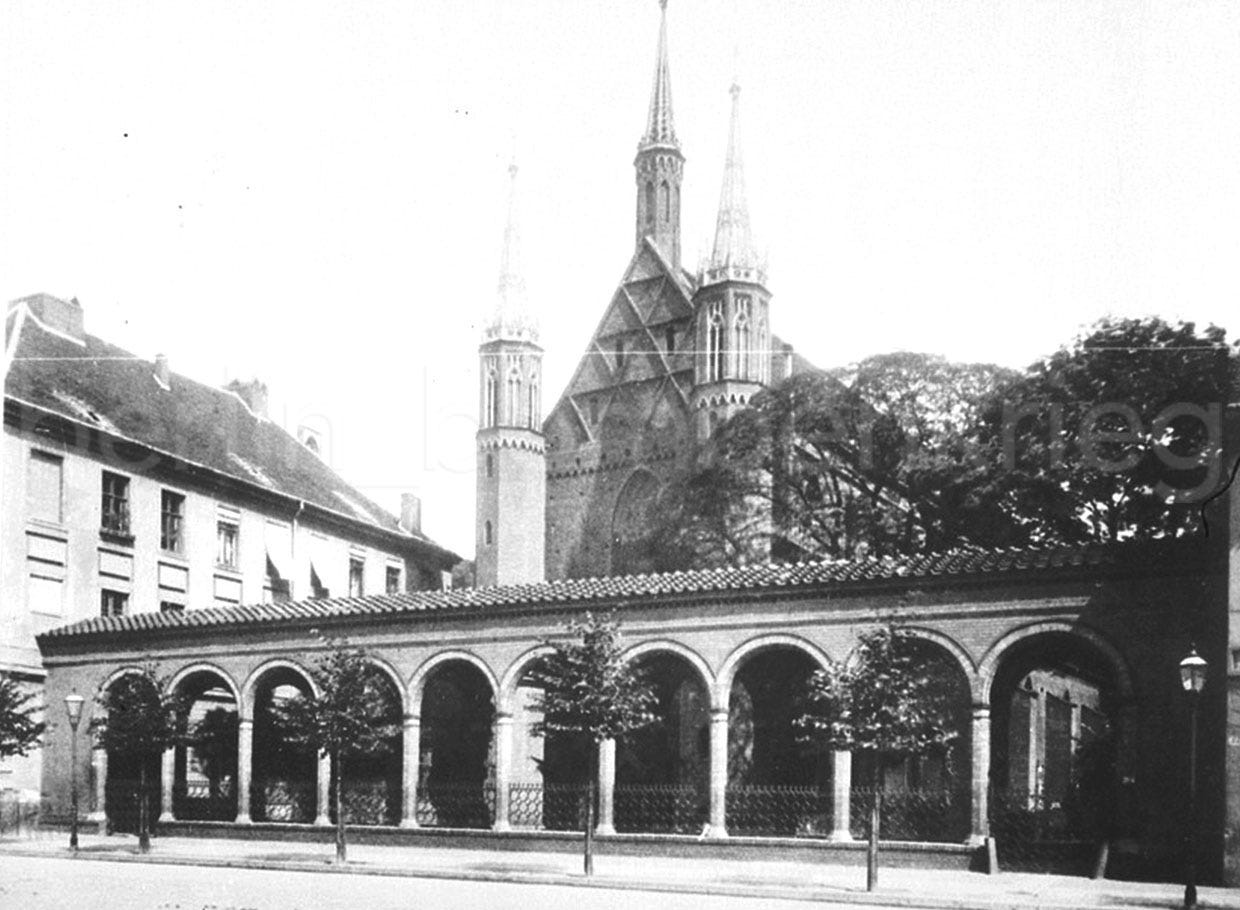
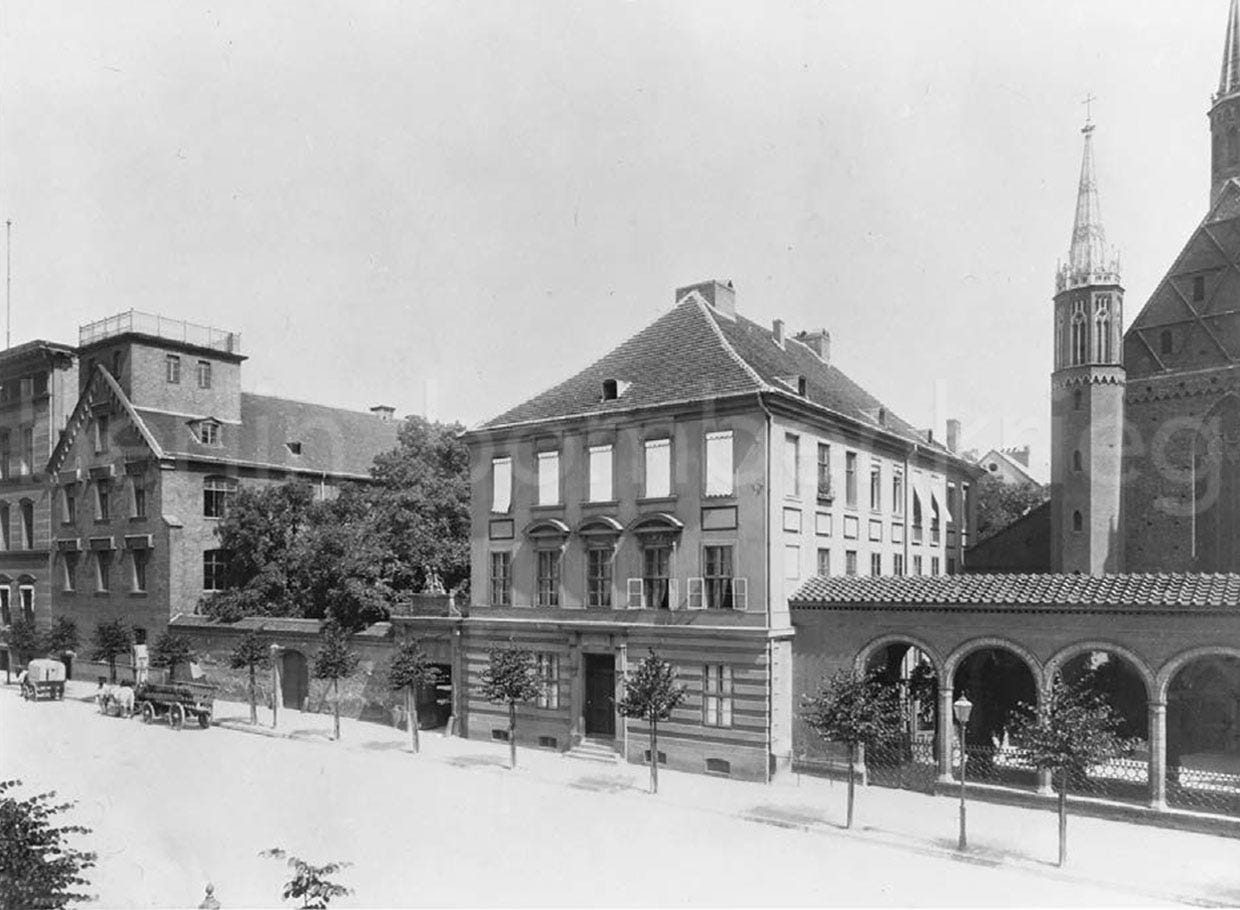
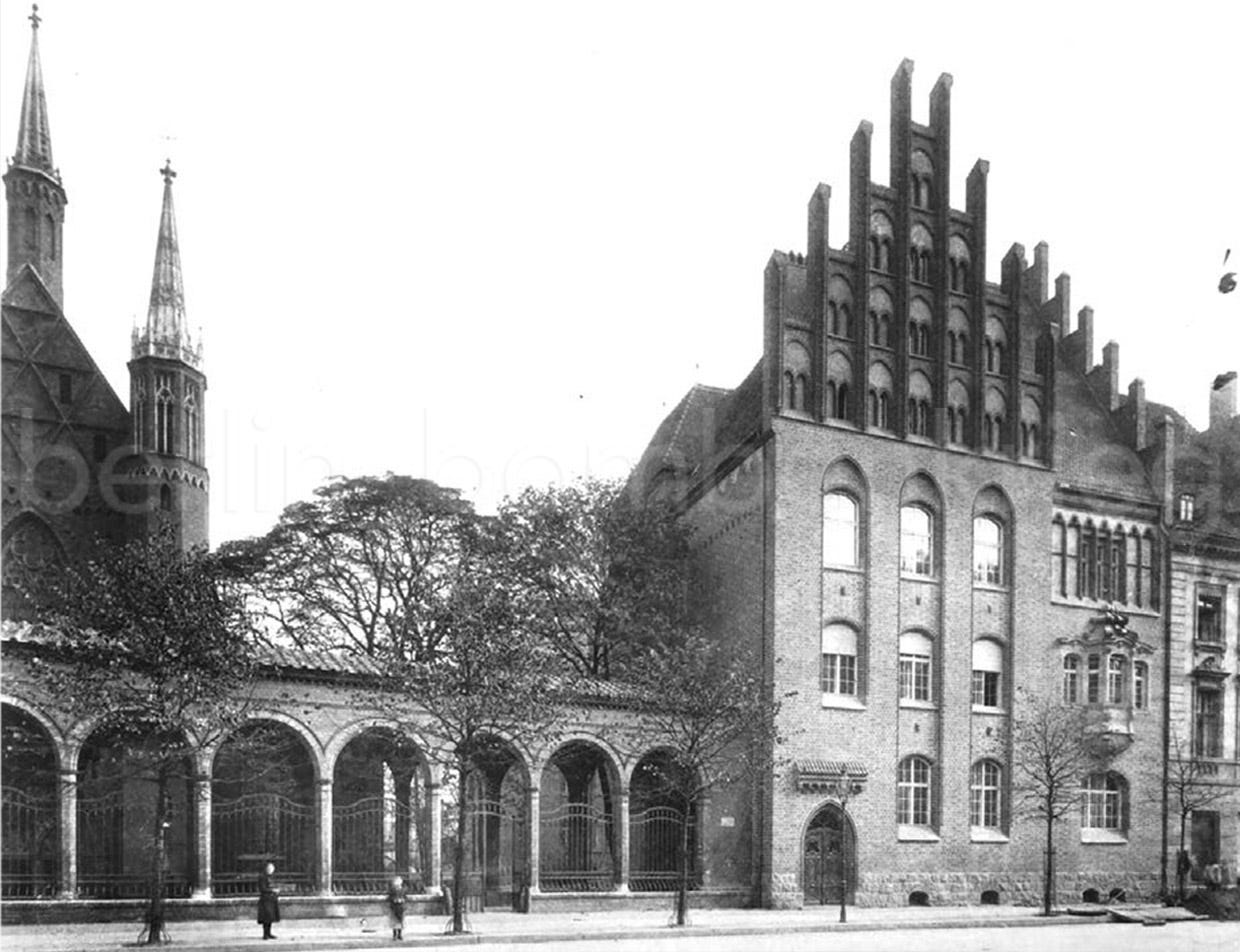
Between 1936 and 1936, the church was vastly renovated again: pillars were repaired, the roof was re-covered, and the towers erected in 1843 on the west front and the roof turret were demolished. The interior was carefully restored. It was reconsecrated in 1936.
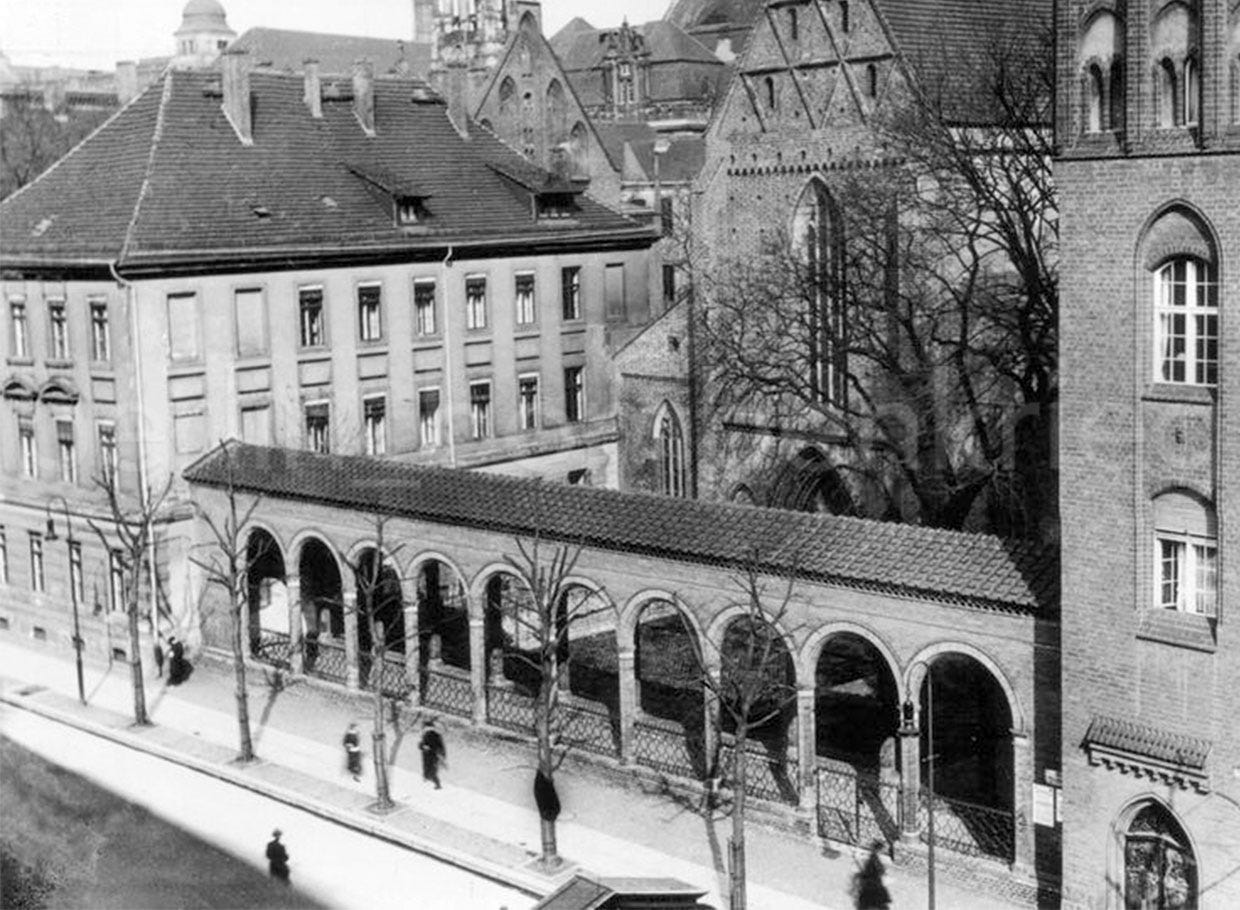
Bombenkrieg 1940-45 - Grosser Kloster’s destruction
Located in the main city centre area, the Kloster monastery complex was hit several times during the Allied air bombardments on Berlin. First damage recorded was done by one of the early RAF raids, when several fire bombs landed nearby on December 21, 1940, causing small fires at Grunerstr Ecke Neue Friedrichstr (renamed Littenstraße in 1950) and damaging the Landgericht building (today the District Court and the Berlin II Regional Court also). This court was severely damaged by bombs during the late November 1943 RAF raids and the entire area was badly hit by the May 24th 1944 US air raid when 464 heavy bombers reached the city centre with bombs falling here too. The attack left 18,000 homeless people just in the Mitte district; nearby Parolekirche (built in 1695) was mortally hit by incendiaries on that day also.
Death of the Klosterkirche was sealed on 10/11 April 1945: our recent research in the city’s bomb damage reports shows that an aerial mine landed at Klosterstr. 73 on that night, when Bomber Command sent 77 Mosquito fast-bombers to harass the German capital. RAF crews reported 10/10 clouds and light severe Flak AA fire. Another ‘Cookie’ (as RAF aerial mines were known) landed a few metres away at the opposite side of the street, causing severe damage to the Landgericht/Amtsgericht. Most articles and websites often report the church’s destruction date wrongly, repeating the erroneous April 3rd 1945 including the Wikipedia and some Berliner Zeitung articles, with no evidence to support this claim.
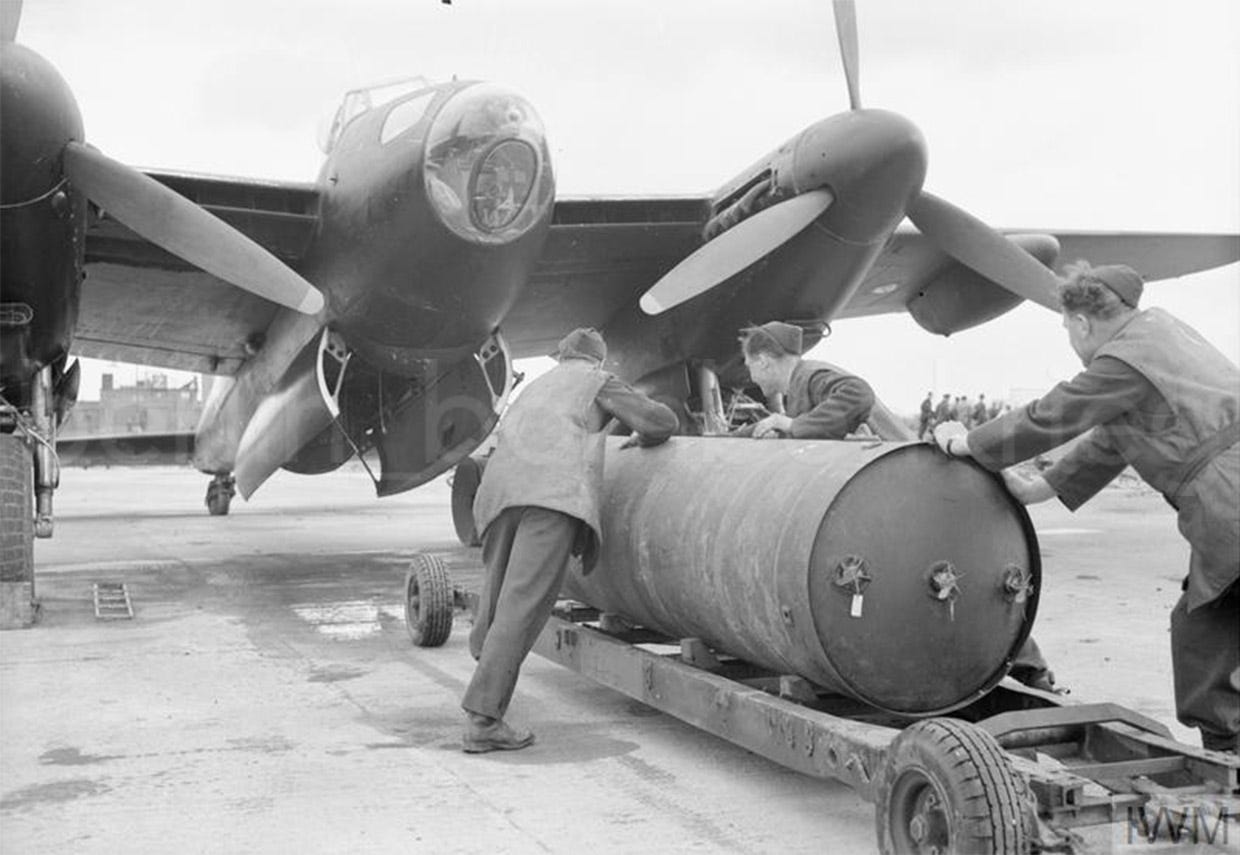
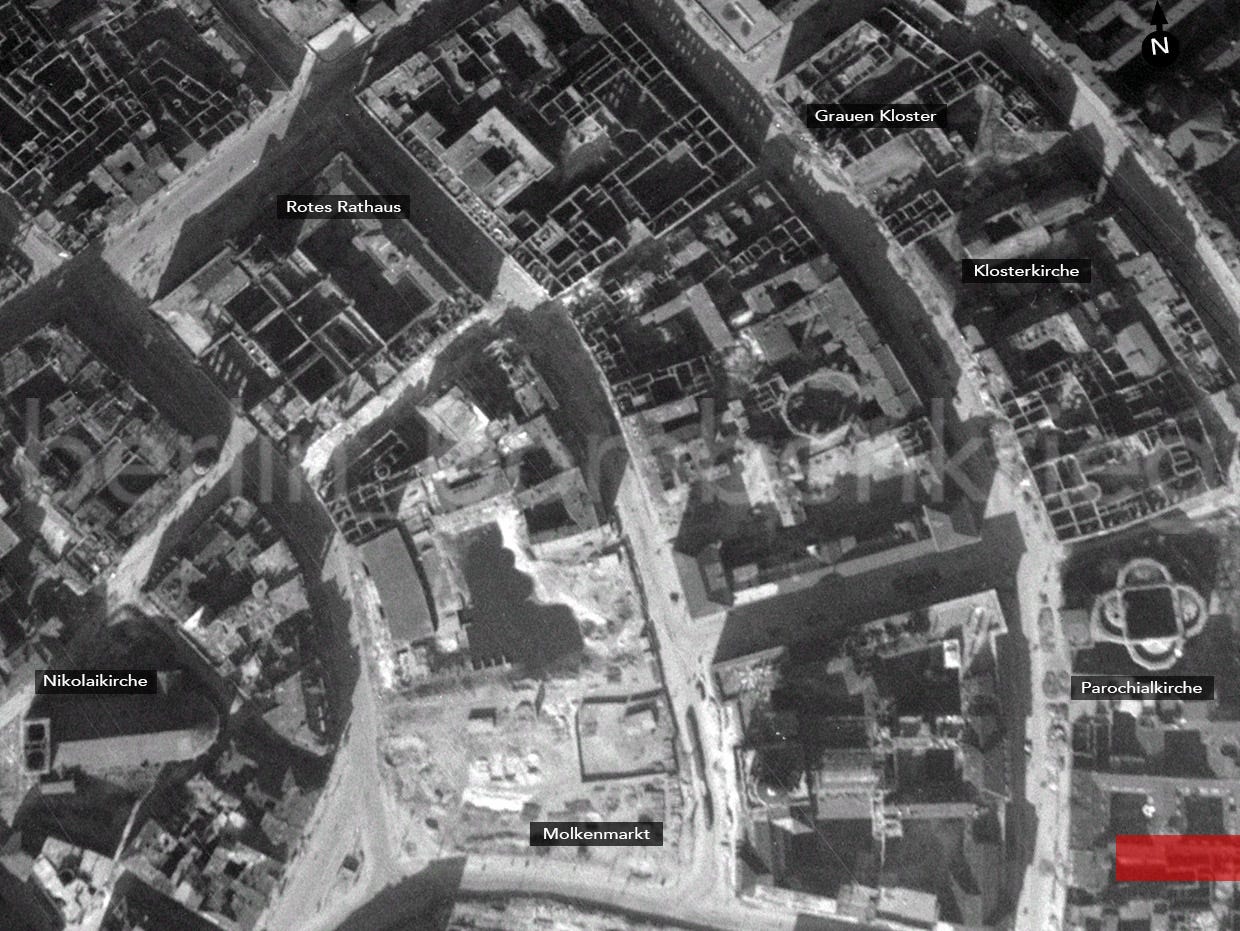
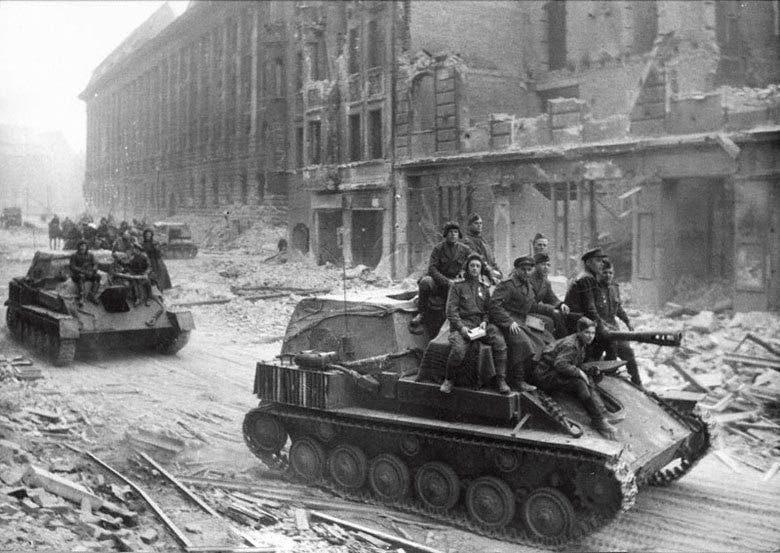
Further damage to the area was done months later, hit by Soviet howitzers’ shelling during the Red Army assault on the Third Reich’s capital in the last days of April 1945, with fierce street-to-street fighting around the ruined site. Here, Soviet forces advance through ruined Stralauer Str (just a few metres from Littenstr and Klosterkirche) aboard light self-propelled SU-76M guns following the end of the battle. Note severe damage to the background buildings with street covered by debris.
Ruins and Nemesis
The Allied bombing of the city centre during World War II severely damaged the buildings of the monastery quarter at Molkenmarkt. Most of them were completely demolished and cleared of rubble after 1945 and transferred to municipal ownership.
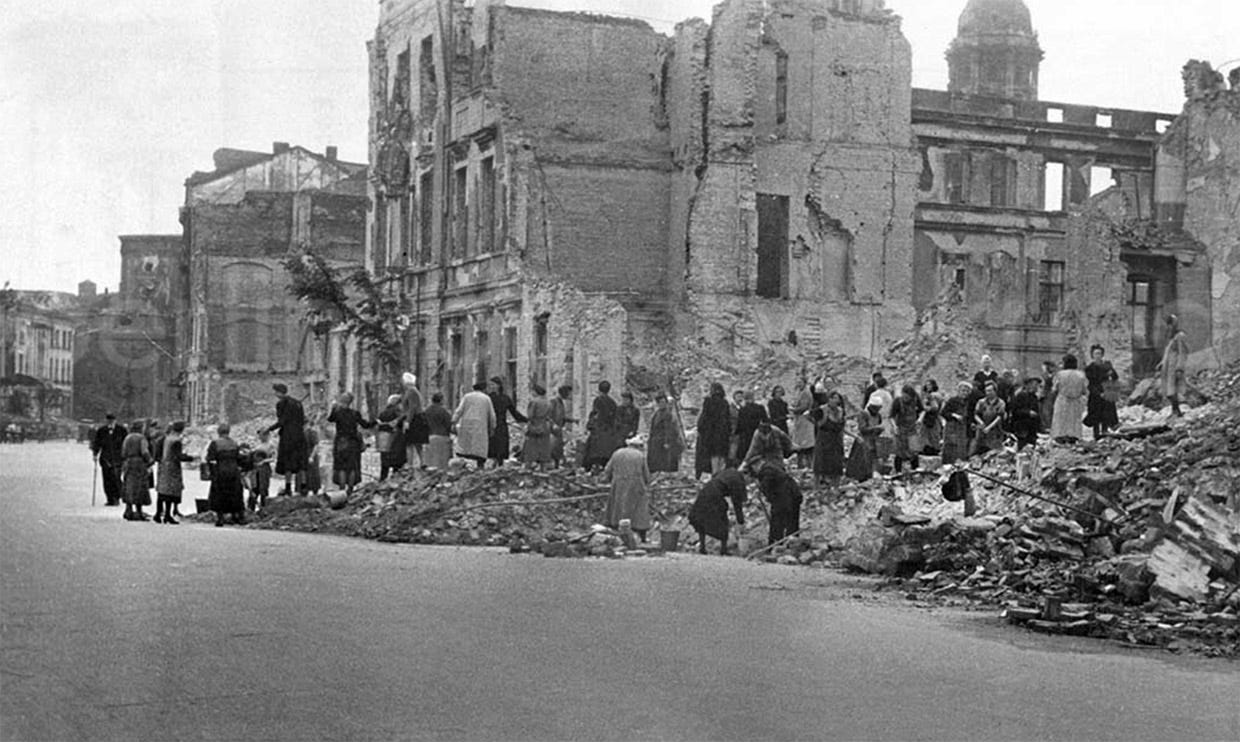
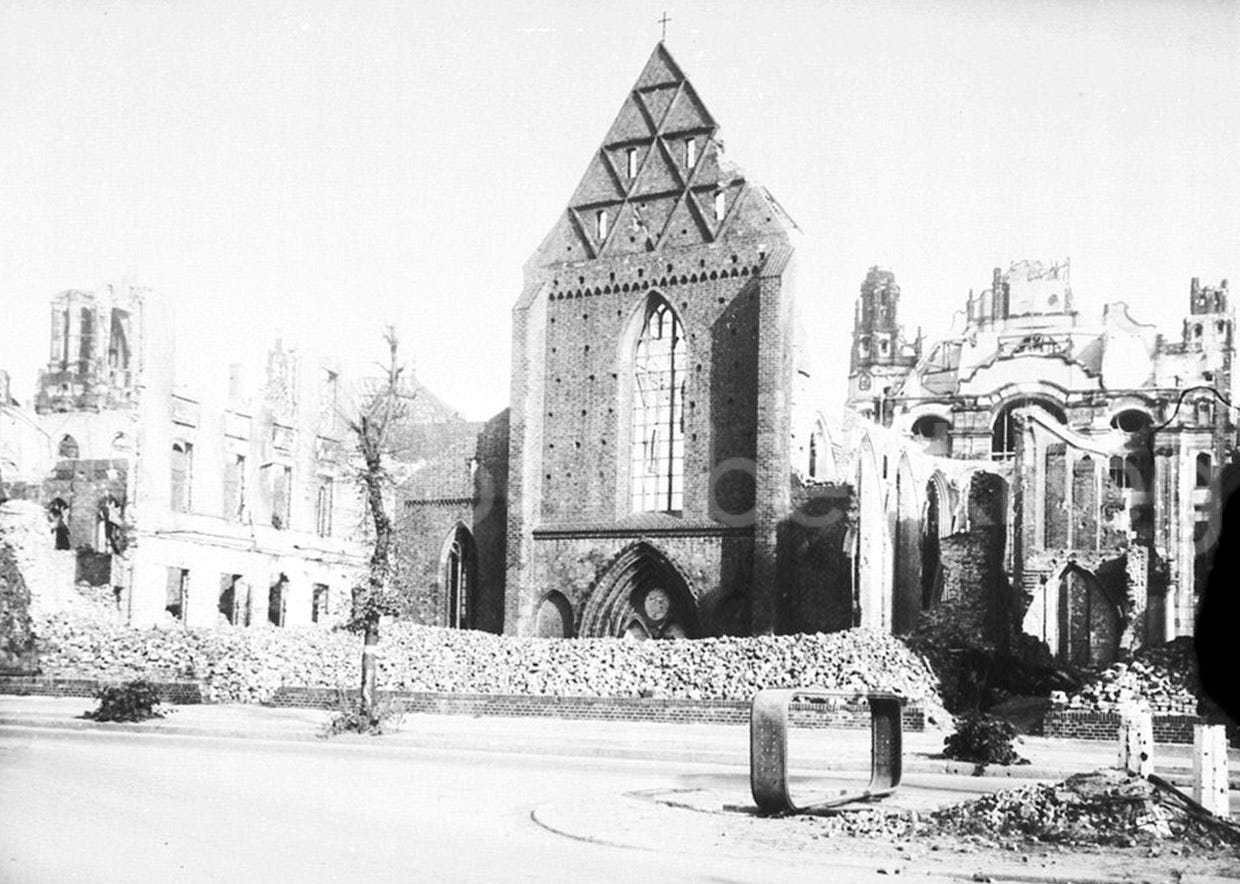
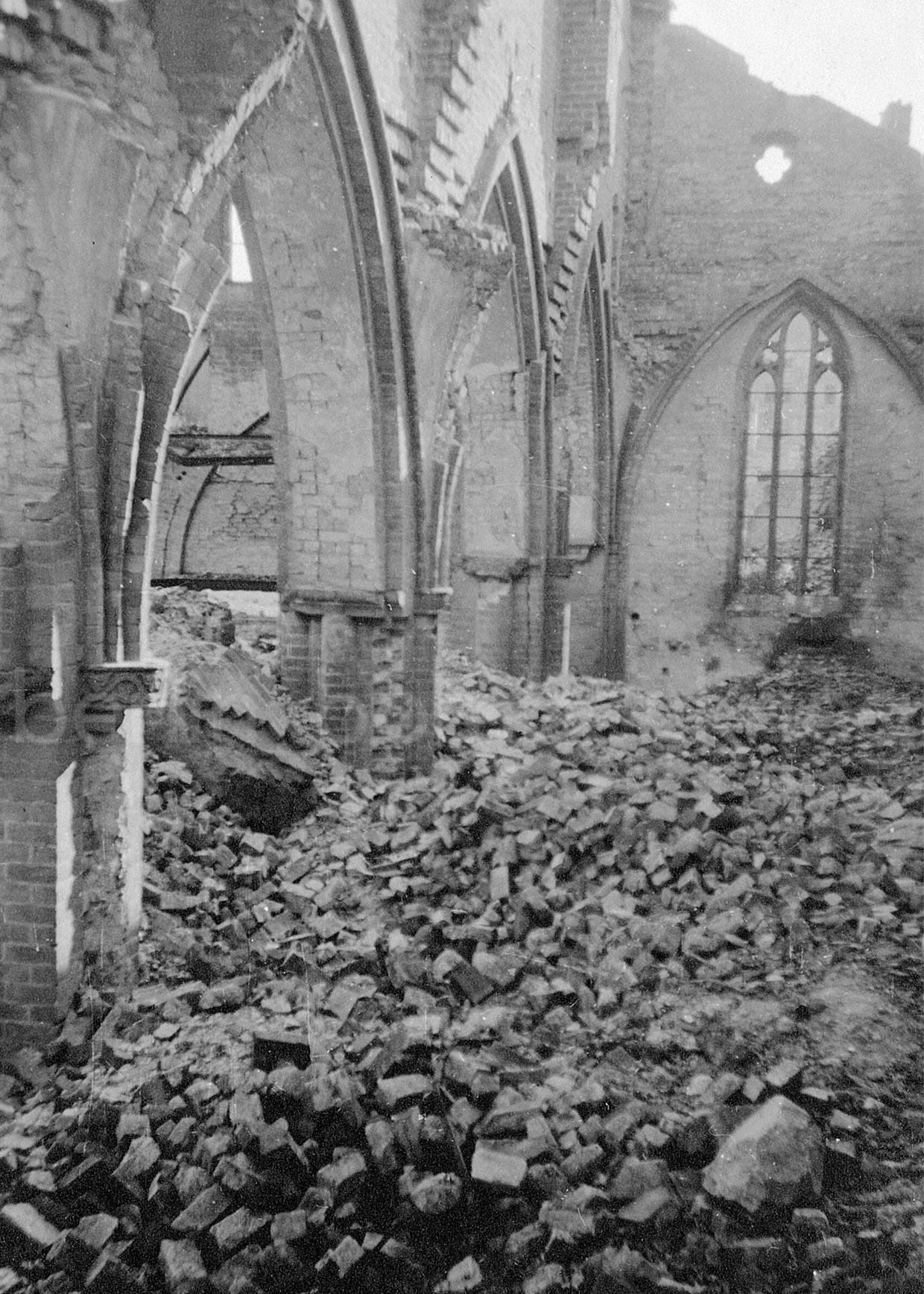
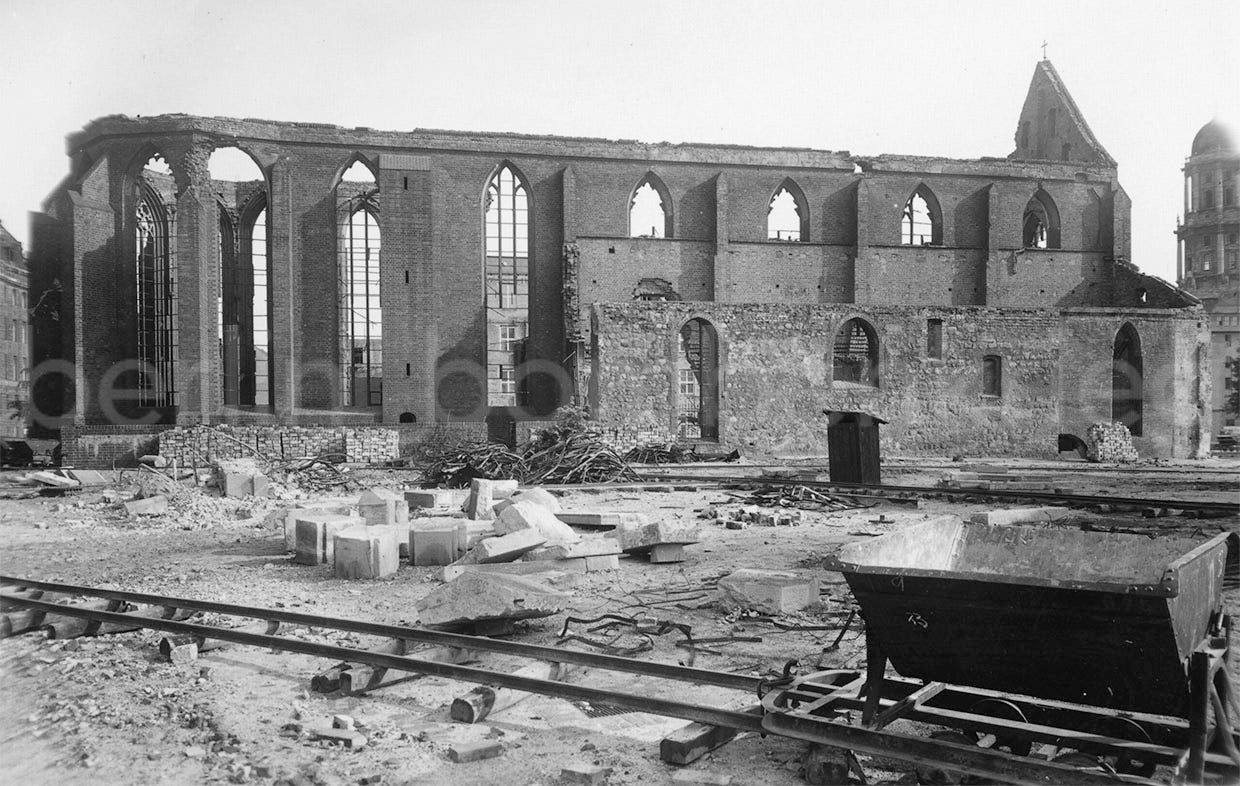
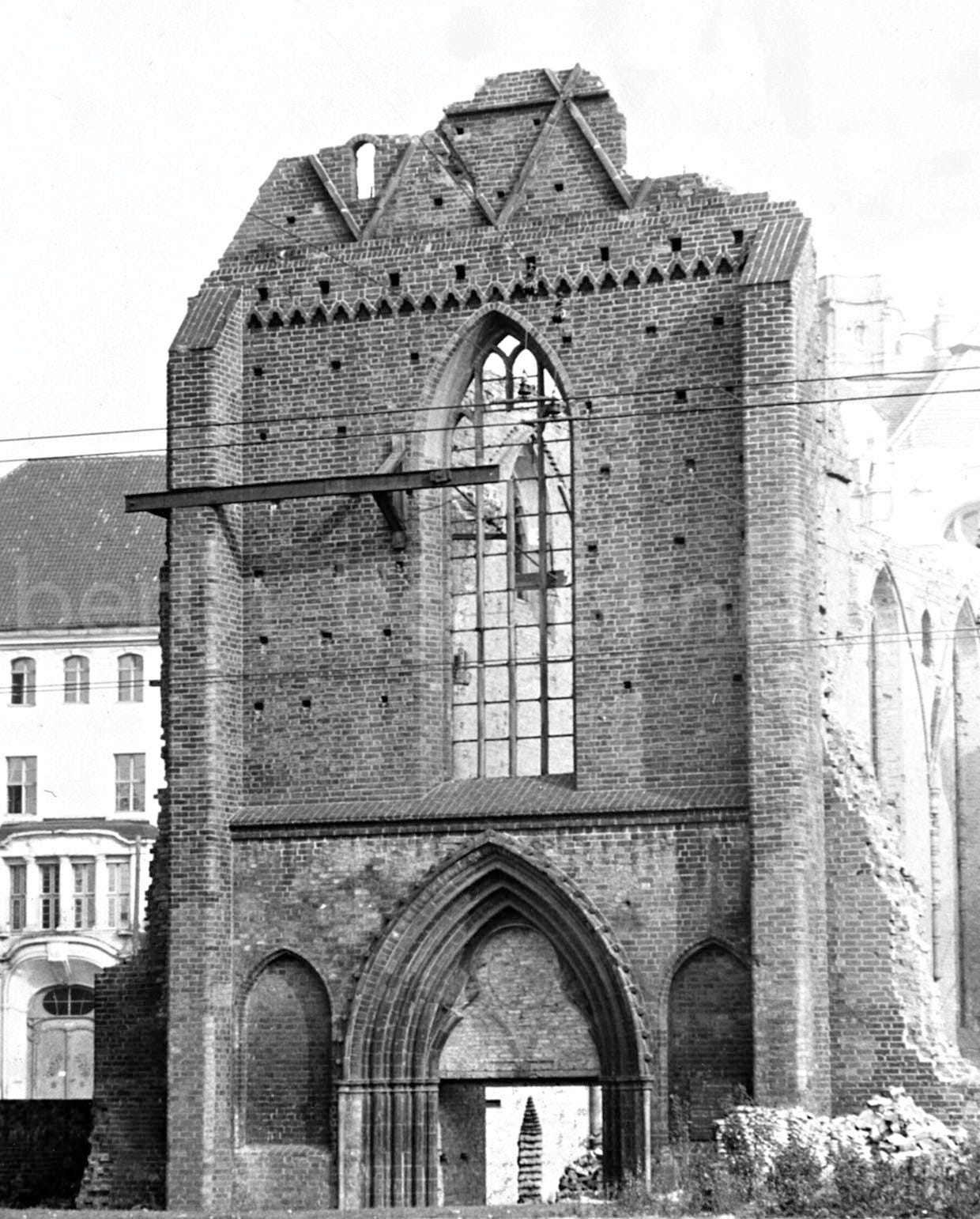
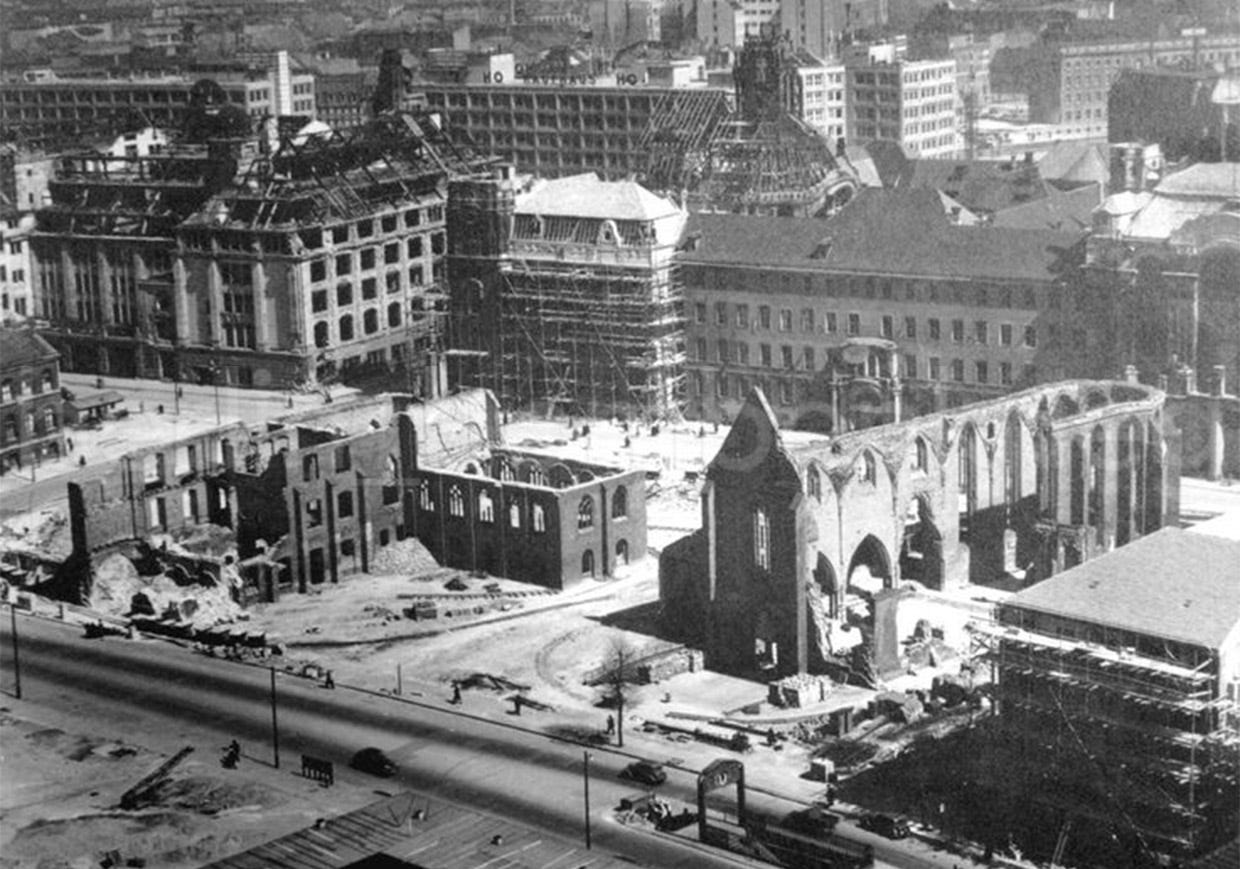
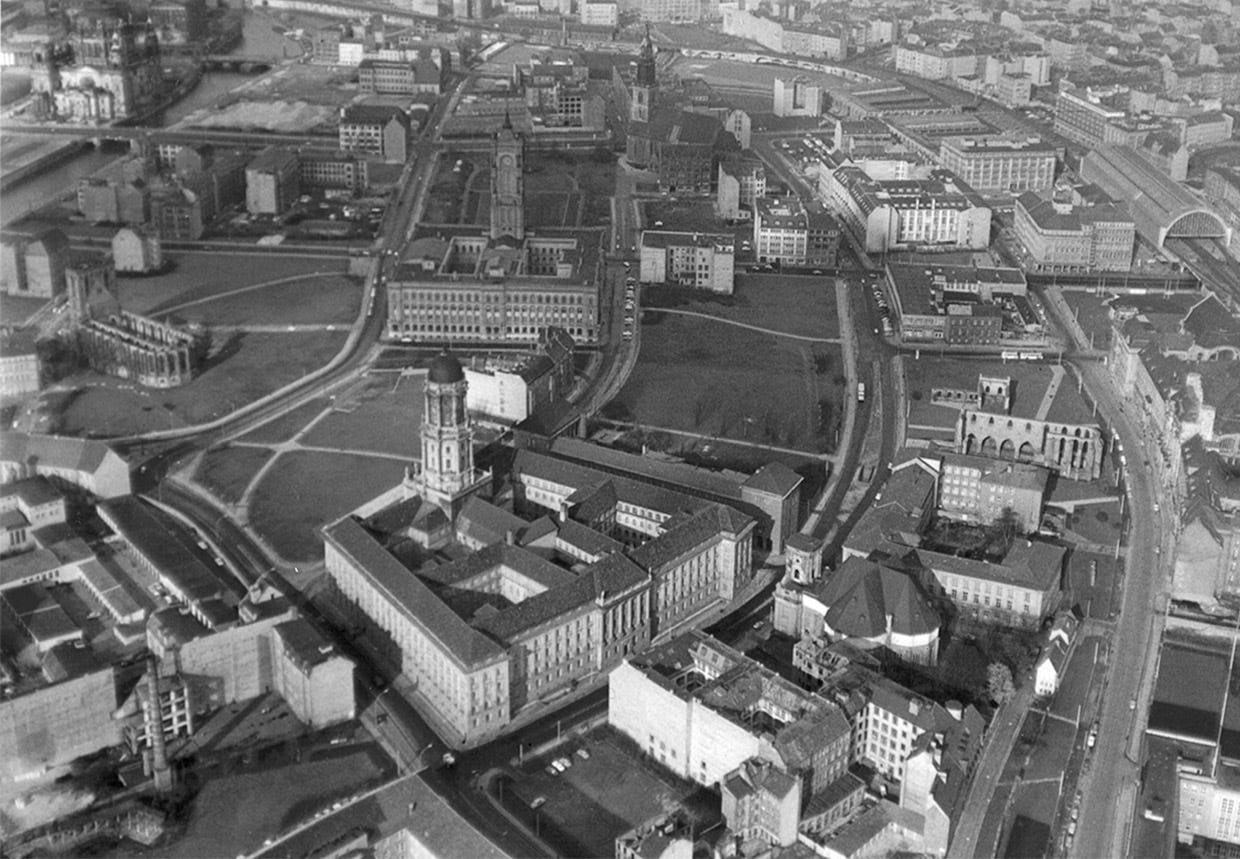
The Kloster monastery complex was in bad shape and rubble was removed starting in 1950. Only the outer walls on the north, east, and west sides of the church survived and parts of the nave walls were badly damaged. The northwestern corner of the north aisle and its outer wall were demolished in 1951 during the nearby Klosterstr U-Bahn construction, and in 1954, East Berlin monument conservator Bodo Köttler submitted a proposal for the reconstruction of the church and monastery but finally subsequent renovation work done between 1959 and 1961/63 demolished the eastern end south aisle, securing the ruins. The remaining monastery buildings, also in ruins, were completely demolished by 1968 to make room for the new and disproportionate Grunerstr. Main renovation work was done in the 1980s by the DDR government but, left as an open large space, Molkenmarkt and Klosterviertel total renovation is still open to debate nowadays.
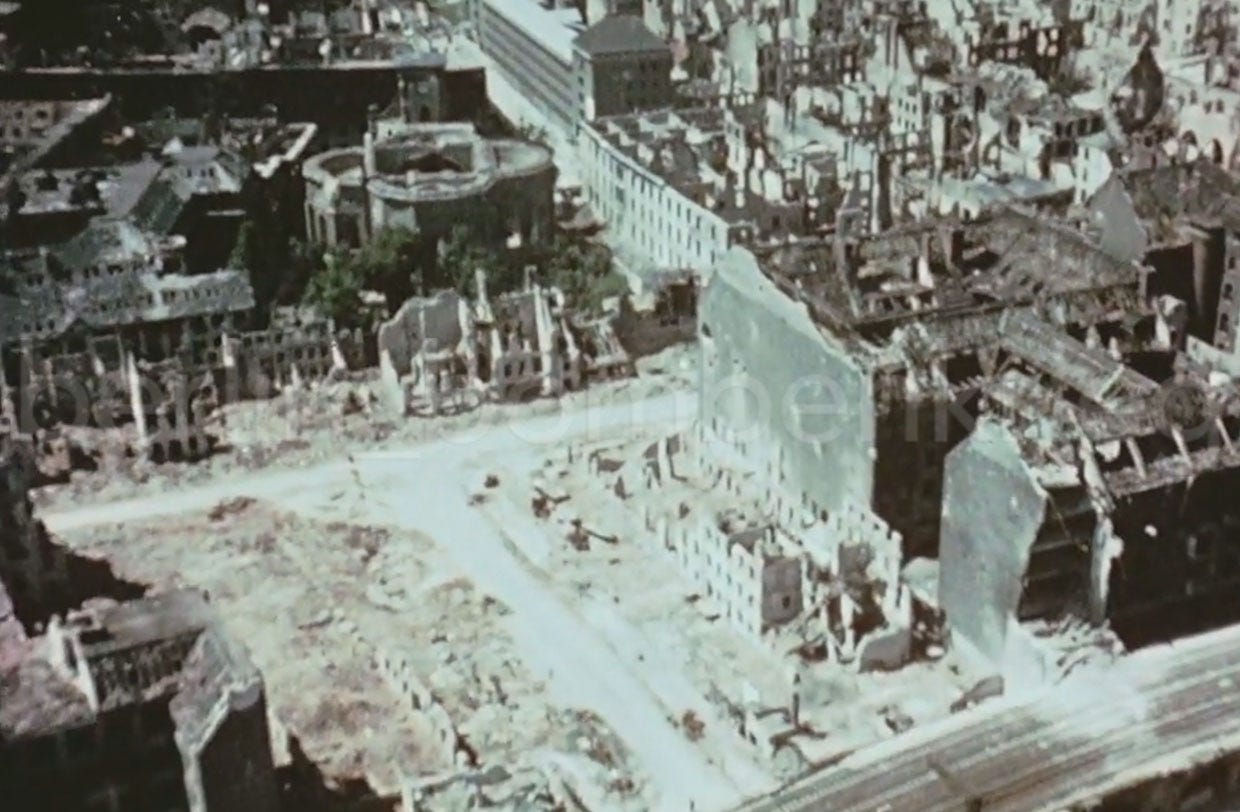
This area of Berlin’s Alstadt was filmed in colour footage by the Stevens/Wyler camera team sent to the ruined city by the US Army in July 1945, with part of Littenstr and Klosterstr shown here looking west. Note the roofless Parochialkirche (built 1695, at top left) mortally hit on the May 24th, 1944, raid and located a few metres from the Kloster complex, part of its ruins of this can be seen at extreme right.
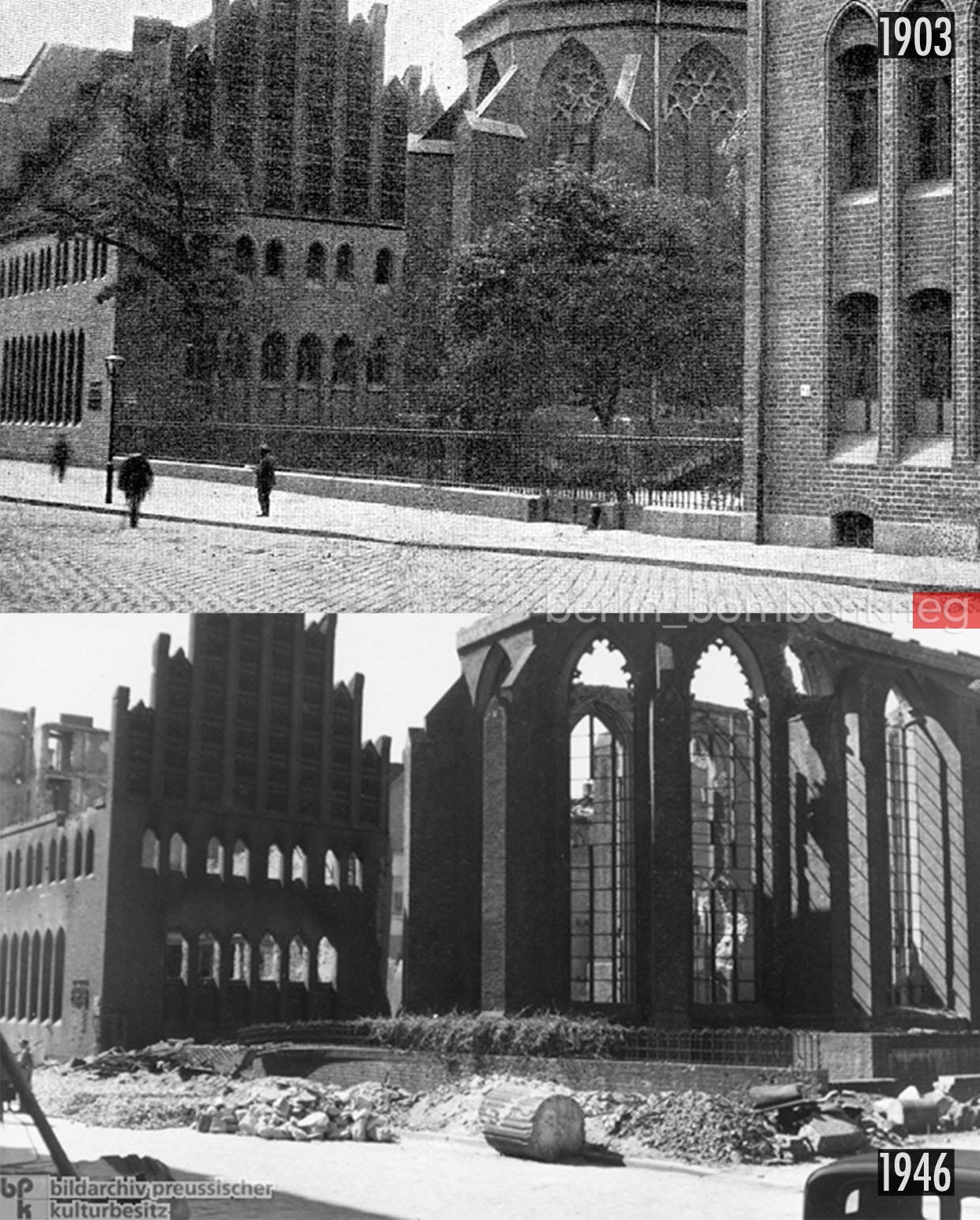
A Then/Now picture showing the original aspect and aftermath of the Kloster complex following the bombing raids which destroyed it in the final months of the war, in this case seen from the Neue Friedrichstraße side in 1903 and 1946.
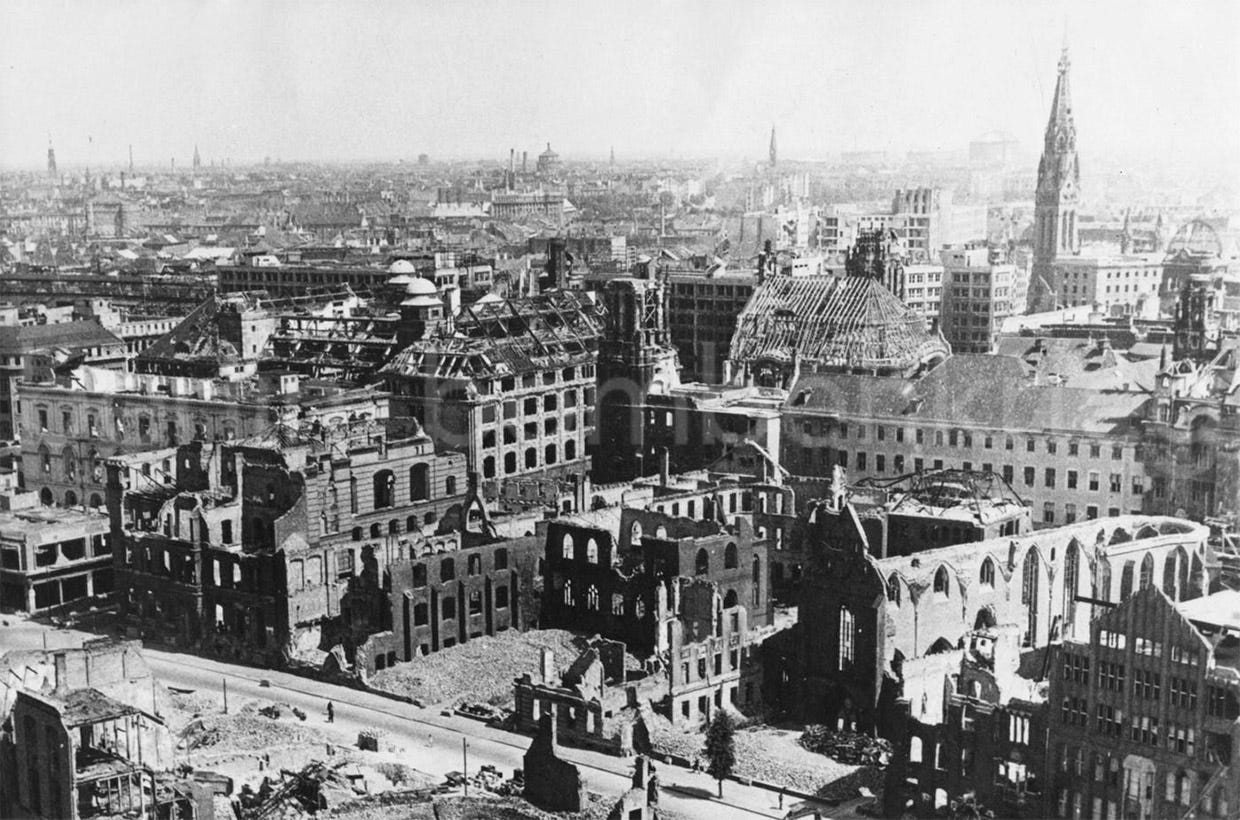
Following are several views of the clearing debris’ and demolition work done at the ruined Kloster’s church and buildings complex following the end of the war, all taken during the 1947-1951 period.
A (languishing) glimpse into the past
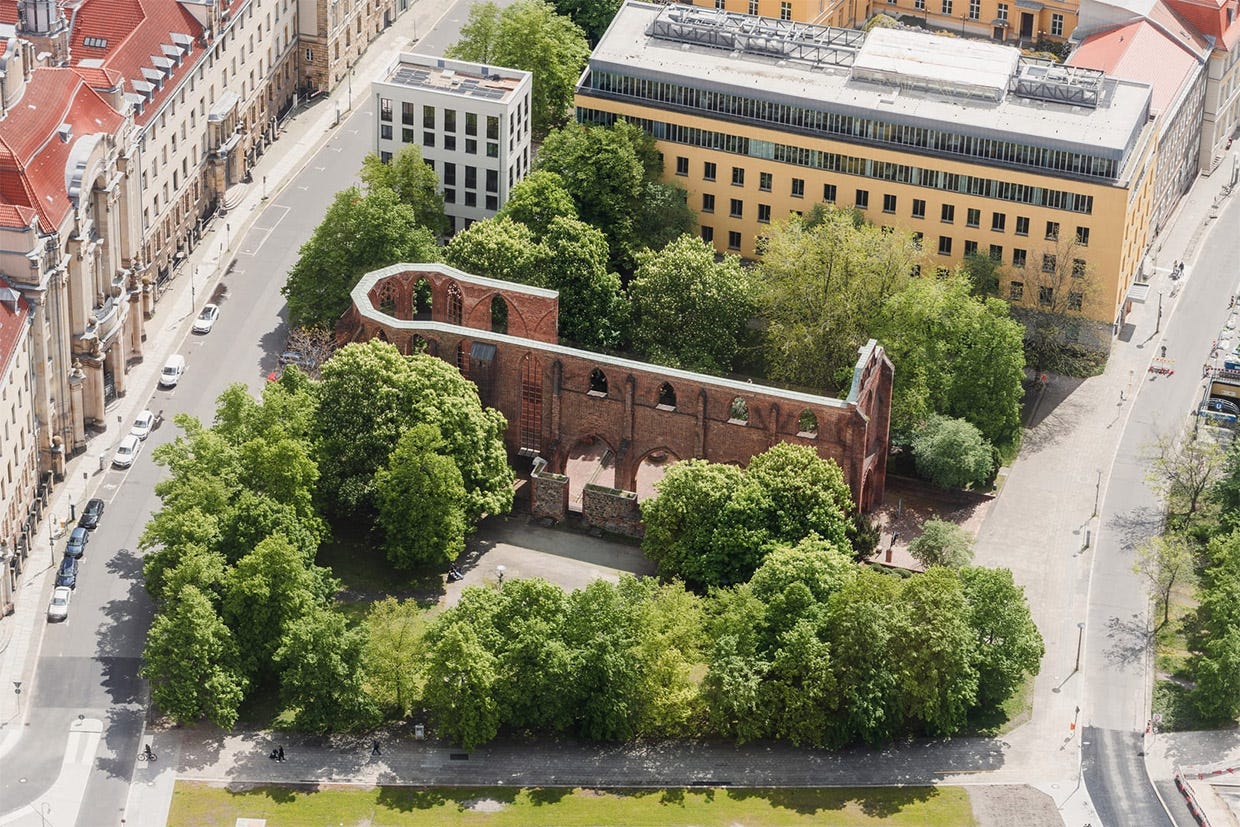
In conclusion, the ruins of the former Franziskaner-Klosterkirche are one of the last remaining testimonies from Berlin’s founding history and from the last days of World War 2. Left for decades at their original location and surrounded by a cleared empty space, this unique and irreplaceable monument needs to be part of a greater visiting interaction and to be integrated into an historical landscape, wishing that the planned redevelopment of the Molkenmarkt/Klosterviertel bring the monastery and other structures back to us visitors meanwhile keep the memory of the bombings suffered by the city and its habitants between its medieval brick walls.
_______________
Bibliography and sources:
Adam-Tkalec, Maritta. Was wird aus dem Campus Klosterviertel? Berliner Zeitung, 15.07.2019 [accessed February 2026.]
Bezirksamt Berlin-Mitte, Amt für Weiterbildung und Kultur, Fachbereich Kunst und Kultur. NUTZUNGSPERSPEKTIVE FÜR DIE RUINE DER FRANZISKANERKLOSTERKIRCHE BERLIN. Berlin, 2016
Demps, Laurenz. Luftangriffe auf Berlin. Die Berichte der Hauptluftschutzstelle. Ch. Links Verlag, 2014
Mitte-online (2018). Die Ruine der Franziskaner Klosterkirche. [accessed February 2026.]
Historische Kommission zu Berlin e.V. (Hrsg.). Das Graue Kloster in Berlin, Perspektiven aus der Geschichte. BERLINER WISSENSCHAFTS-VERLAG, 2021
Klosterruine Berlin. Von der Franziskaner Klosterkirche zum Denkmal und
Ausstellungsort zeitgenössischer Kunst 750 Jahre Geschichte Klosterruine
Berlin. [accessed February 2026.]Landesarchiv Berlin: LAB, A Rep. 001-02, Nr. 700, Bl. 139 ff; A Rep. 001-02, Nr. 702, Bl. 85ff; A Rep. 005-07, Nr. 559, o. Bl; A Rep. 001-02, Nr. 703, Bl. 84
Middlebrook, Martin and Everett, Chris. (1985). The Bomber Command War Diaries: An Operational Reference Book. Pen & Sword Aviation. Reprint Edition 2014
Molkenmarkt. Zerstörungen im Zweiten Weltkrieg und Abriss. Senatsverwaltung für Stadtentwicklung, Bauen und Wohnen [accessed February 2026.]
Wemhoff, Matthias. Das Graue Kloster. Erste Ausgrabungen und Überlegungen zur Neubebauung. Föderverein des Evangelischen Gymnasiums zum Grauen Kloster. [accessed February 2026.]
Thank you for reading Berlin Bombenkrieg by Pablo López Ruiz. Please subscribe, if you haven’t yet, to comment, follow and share. All images used for non profit / educational purposes.